Joints (Junior Cert Wood Technology): Revision Notes
📚Revision Notes
Wood Joints
Overview
Choosing the right wood joint is key for strength and appearance in woodworking projects. Different joints vary in strength and are ideal for specific uses like cabinetry, furniture making, and framing.
Definitions
- Butt Joint
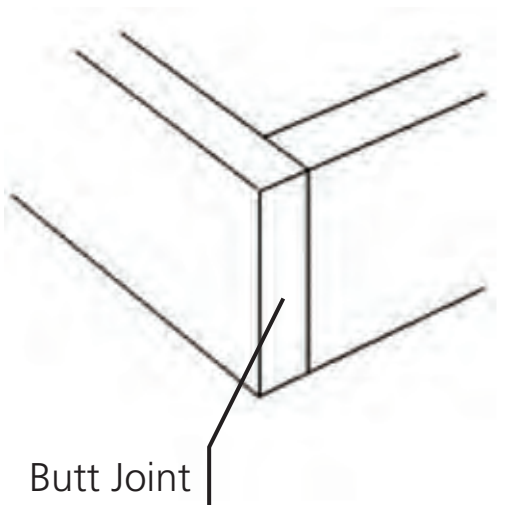 Note
NoteButt joints are often enhanced with additional fasteners for increased strength.
- A simple joint where two pieces meet end to end.
- Common in basic shelving and framing.
- Not very strong, often strengthened with screws or nails.
- Cross Halving Joint
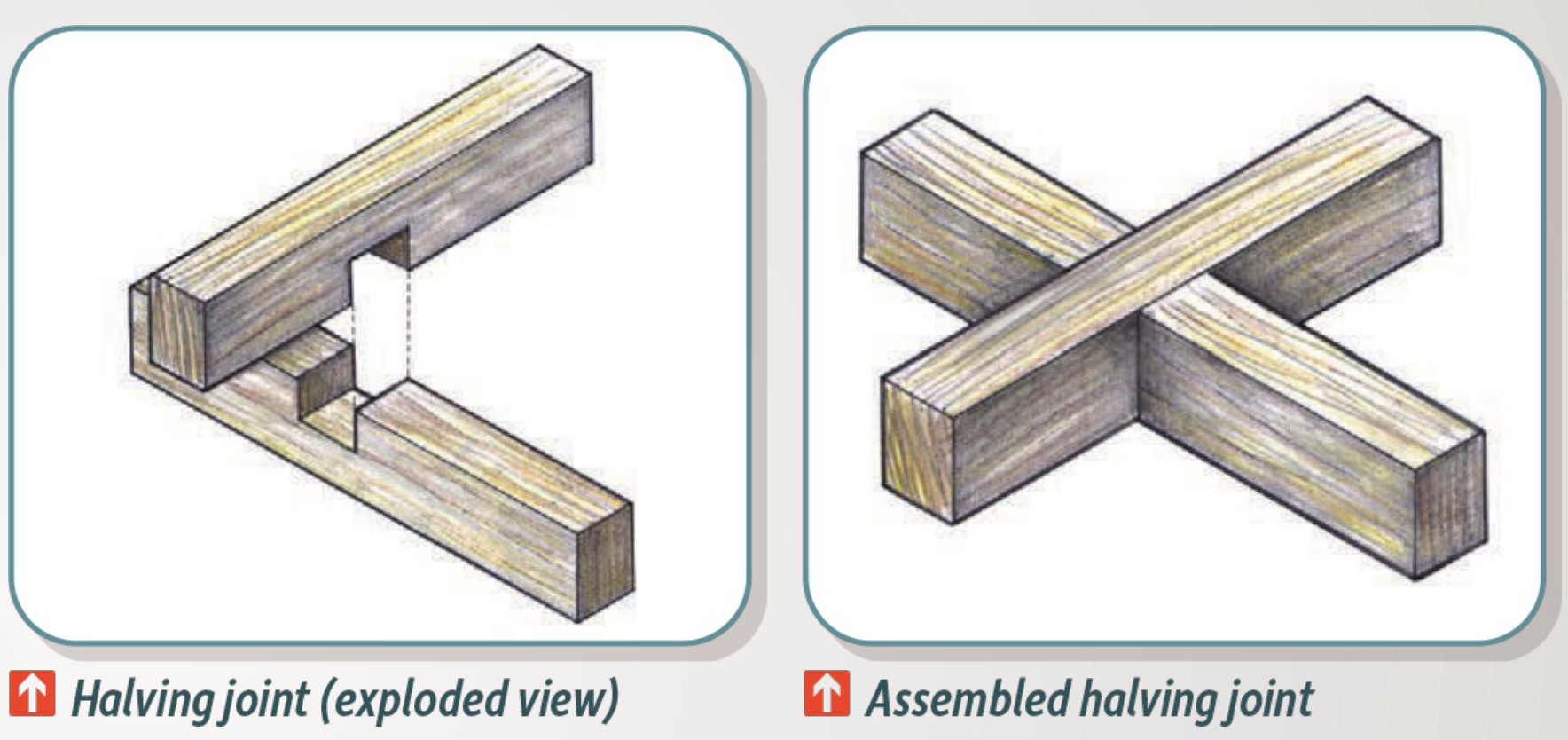
- Made by cutting notches in two pieces to fit together.
- Used in frames like tables and chairs.
- Requires exact fitting and glue for strength.
- Tee Halving Joint
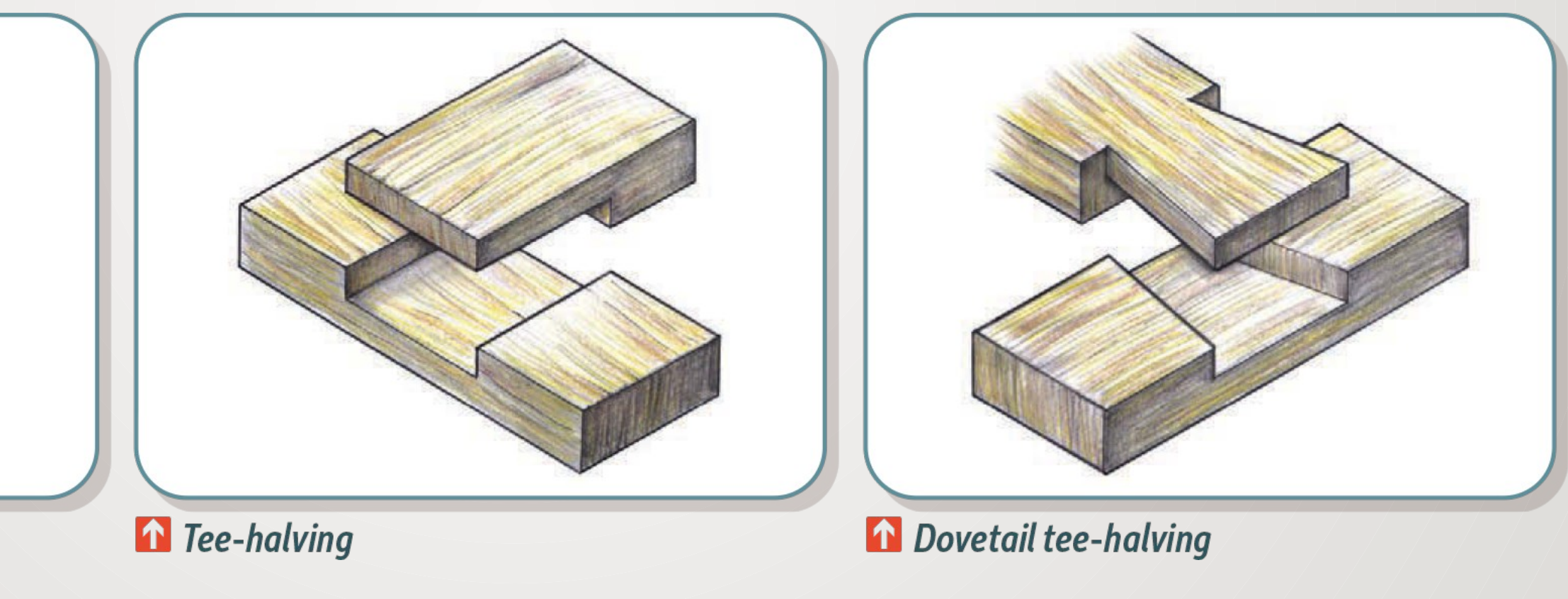
- Forms a right angle, glued for strength.
- Suitable for strong corners.
-
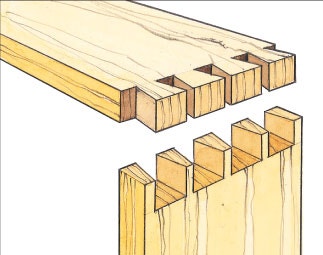
Dovetail Joint
-
Looks like a dove's tail, offering strength and style.
-
Often used in drawers and wooden boxes.
-
-
Finger (Box) Joint
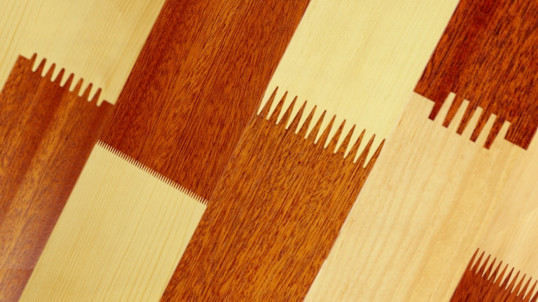 Important
Ensure precise alignment when creating finger joints to maximise their strength.
- Features interlocking pins, providing a strong glue surface.
- Used in boxes and cabinets.
-
Mortice and Tenon Joint
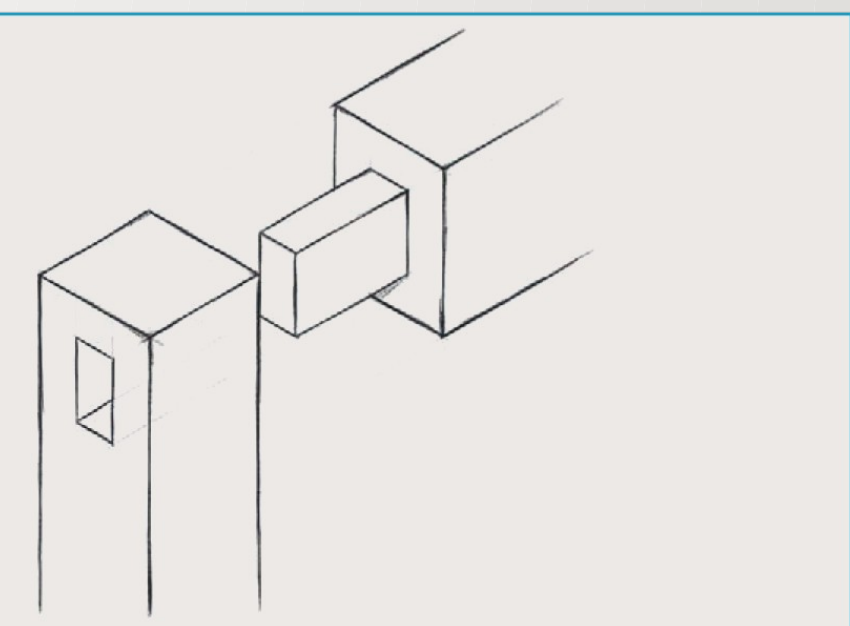
- A traditional joint with a tenon fitting into a mortise, known for its strength.
- Found in tables and door frames.
-
Bridle Joint
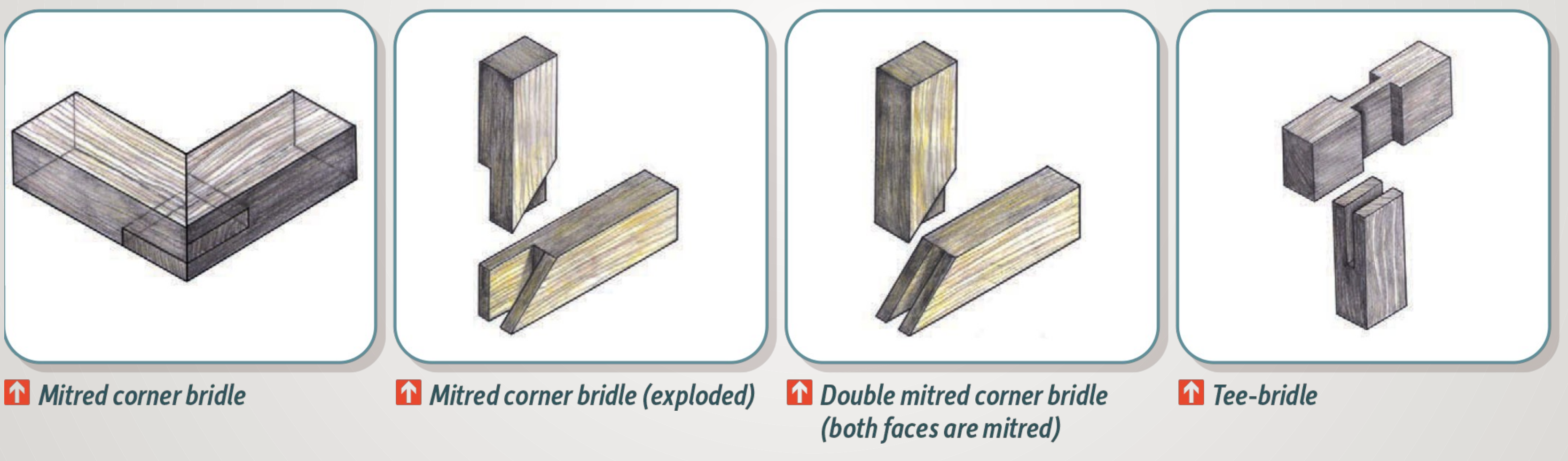
- An open mortise and tenon type, offering strong connections with large glue areas.
- Used in tabletops, legs, and frames.
Key Characteristics and Applications
- Primary Handcraft Joint Types include Butt, Cross Halving, Dovetail, Finger, Mortice and Tenon, Bridle, Tee Halving joints. They are chosen for their strength, appearance, and glue application needs.
Machinery Utilisation
- Domino, Dowel, and Biscuit Joiners
- Machines like domino joiners create tenons quickly. Dowel joiners are used for pin connections, while biscuit joiners secure slots. These tools improve accuracy and speed.
Note
The use of modern joining machinery significantly enhances the efficiency and precision of creating wood joints.
Note
Summary
- Importance of Joint Choice: It affects project strength and appearance.
- Understanding Features and Uses: Helps pick the right joint for the job.
- Modern Tools' Role: They enhance precision and speed in making joints.