Alloys (Junior Cert Wood Technology): Revision Notes
📚Revision Notes
Alloys
Overview
Alloys are combinations of metals made to enhance traits like strength, durability, and corrosion resistance, making them crucial in various industries.
Note
It is essential for industries to use alloys to improve the performance and longevity of metallic components.
Definitions
- Alloy: An alloy is a blend of two or more metals. Alloys are crafted to possess superior properties compared to their base metals.
Composition of Alloys
- Alloys are primarily made by integrating diverse metals to achieve particular characteristics.
Ferrous Non-Ferrous Alloy Cast Iron Aluminium Brass Mild Steel Copper Bronze Stainless Steel Zinc Solder
Important
Understanding the main composition of alloys is crucial to predicting their behaviour and application in industrial uses.
Worked Example
- Identify Base Metal: Copper.
- Choose Alloying Metal: Zinc, used to create Brass.
- Mix Metals: Copper (70%) and Zinc (30%) are combined.
- Process: The mixture is heated for a uniform consistency.
Advantages of Alloys
- Increased Strength: Alloys like steel offer enhanced strength compared to iron.
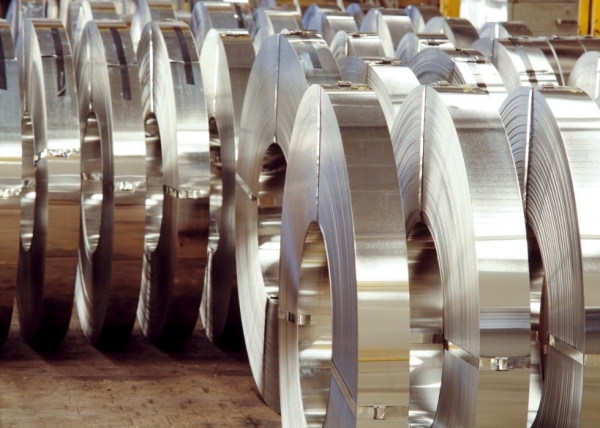
- Rust Resistance: Stainless steel, which contains chromium, is more resistant to rust than ordinary iron.
Worked Example
- Identify Pure Metal: Iron.
- Alloy Choice: Stainless Steel (Iron alloyed with Chromium).
- Reason for Selection: This alloy provides superior corrosion resistance, ideal for marine construction.
Note
Choosing the correct alloy is key to function in environments with specific requirements like marine or aerospace.
Common Alloys in Industry
- Steel: Implemented in construction due to its increased strength and flexibility versus pure iron.
- Aluminium Alloys: Utilised in automotive and aerospace sectors for their lightweight yet robust nature.
- Brass and Bronze: Valued for their electrical conductivity and resistance to corrosion, key in plumbing and electrical components.

Worked Example
- Requirement: Material that is both strong and lightweight.
- Chosen Alloy: Aluminium Alloys.
- Usage: In aircraft production.
- Advantage: Significantly reduces fuel consumption due to reduced weight.
Important
Accurate selection of alloys reduces cost and increases efficiency in industrial applications.
Summary
- Alloys enhance metals, offering better strength and corrosion resistance than pure metals.
- Widely used industrial alloys include steel, aluminium alloys, brass, and bronze, each serving specific industry roles. :::