Drilling Metal (Junior Cert Wood Technology): Revision Notes
📚Revision Notes
Metal Drilling Techniques
Metalworking drilling needs different techniques than wood drilling because wood and metal have different properties. This skill is crucial in areas that require precision and strength, like wood technology and industry. This note includes key terms, the right drill bits, how to drill different metals, safety measures, and tool options.
Definitions
- Drill Bit: A tool for cutting or enlarging holes in metal.
- Metal Hardness: Measures how much force is needed to change a metal's shape; important for choosing drill bits.
- Coolant: A fluid used to cool and lubricate during drilling.
- RPM (Revolutions Per Minute): Shows how quickly a drill bit spins.
Common Drill Bits for Metalworking
- Twist Drill Bits: Versatile for general metal drilling; cuts smoothly.
- Cobalt Drill Bits: Suited for hard metals like stainless steel; handles high heat well, perfect for precise tasks.
- Titanium-Coated Drill Bits: Durability with reduced friction; ideal for softer metals.

Note
Drilling Techniques for Various Metals
- Soft Metals (e.g., Aluminium):
- Use high-speed steel drill bits.
- Apply moderate RPM and light pressure.
- Minimal coolant required unless drilling for extended periods.
- Hard Metals (e.g., Steel):
- Choose cobalt or titanium-coated drill bits.
- Use lower RPM with moderate pressure.
- Continuously apply coolant to manage heat.
- Ensure accurate start-points. Use peck drilling for thick materials.
Safety Tips and Best Practices
- Protective Gear: Always wear goggles and gloves to keep safe from metal shavings and cuts.
- Secure Workpiece: Firmly secure pieces to avoid movement during drilling.
- Sharp Tools: Keep drill bits sharp and replace dull ones to prevent breakage.

Alternative Tools and Machines
- Hand Drills vs. Drill Presses: Hand drills offer portability; drill presses provide stability and accuracy.
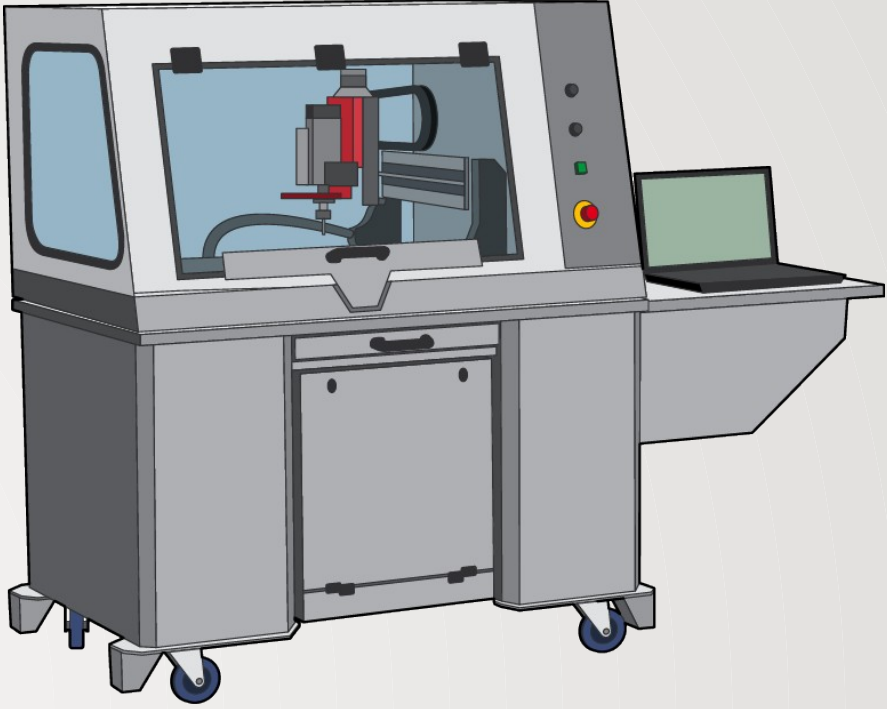
- CNC Machines: Excellent in industrial settings; perfect for repeated tasks, ensuring accuracy and fewer manual errors.
Note
Summary
- Select appropriate drill bits for each metal type and task.
- Match drilling methods to metal hardness.
- Adhere to safety guidelines to maintain a safe workspace.
- Use advanced machines like CNCs to enhance precision and efficiency in industrial tasks.