Non-Ferrous Metals (Junior Cert Wood Technology): Revision Notes
📚Revision Notes
Non-ferrous metals
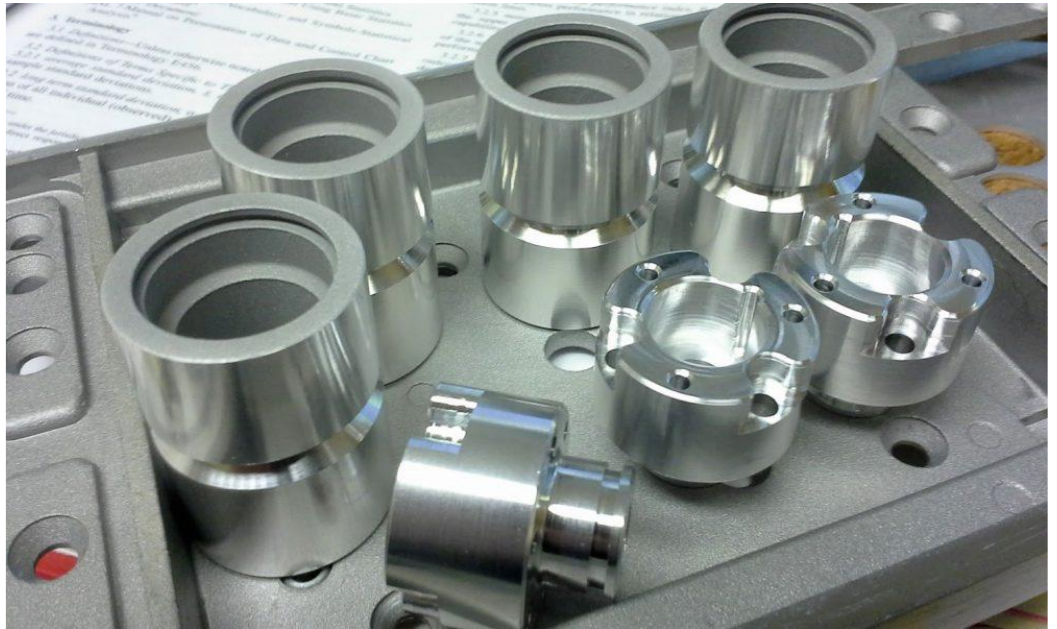
Non-ferrous metals are key in wood technology because of their special properties and uses. These metals have little iron, so they resist rust and are good for outdoor and wet conditions. They are light but strong, making them ideal for new technology and various industries.
Definitions
- Non-Ferrous Metals:
- Made without iron, which lessens rust.
- Examples are aluminium, copper, and zinc.
- Main benefits are:
- Lightweight
- Strong
- Rust-resistant
- Rust Resistance:
- Non-ferrous metals avoid rust and corrosion better than metals with iron.
- This quality is crucial for using them in wet and chemical environments for a long time.
Uses of Non-Ferrous Metals
- Windows:
- Aluminium is used in window frames for strength, light weight, and rust resistance.
- This helps aluminium windows last longer with little maintenance.
- Spacecraft:
- Aluminium is important because it's light and strong, keeping spacecraft firm while reducing weight.
- Beverage Cans:
- Beverage cans are made of aluminium because it resists rust, doesn't react with contents, and is recyclable.
Comparison with Ferrous Metals
- Characteristics and Applications
Non-Ferrous Metals Ferrous Metals Weight Light Heavy Strength High for their weight Generally high Recyclability Very recyclable Varies Corrosion Resistance Excellent Needs protection - Applications
- Non-Ferrous: Window frames, aerospace parts, beverage cans.
- Ferrous: Buildings, machines, tools.
Note
Summary
- Non-ferrous metals like aluminium resist rust and are light, making them perfect for lasting applications.
- They are crucial in construction, aerospace, and packaging industries.
- The main differences between ferrous and non-ferrous metals are in iron content, rust resistance, and uses.