Working with Plastic (Junior Cert Wood Technology): Revision Notes
📚Revision Notes
Working with Plastics
Definitions
- Plastics: Materials made by humans using long molecule chains. They can be moulded when soft and become hard or flexible after.
Note
Note: Plastics are versatile due to their ability to be moulded and set in various forms.
Fundamental Techniques for Working with Plastics
- Cutting:
- Use saws like tenon or hack; make sure to hold the plastic firmly.
- Keep the saw level to avoid shaking and breakage.
- Use rotary cutters or scoring tools for exact cuts.
- Make edges smooth with sandpaper to avoid injury.
Note
Note: Ensuring a stable and smooth cut is essential for safety and result quality.
- Shaping:
- Use heat guns to bend the plastic.
- Apply heat slowly to prevent cracking.
Important
Important: Avoid overheating plastics to prevent cracks and ensure shape integrity.
- Assembly:
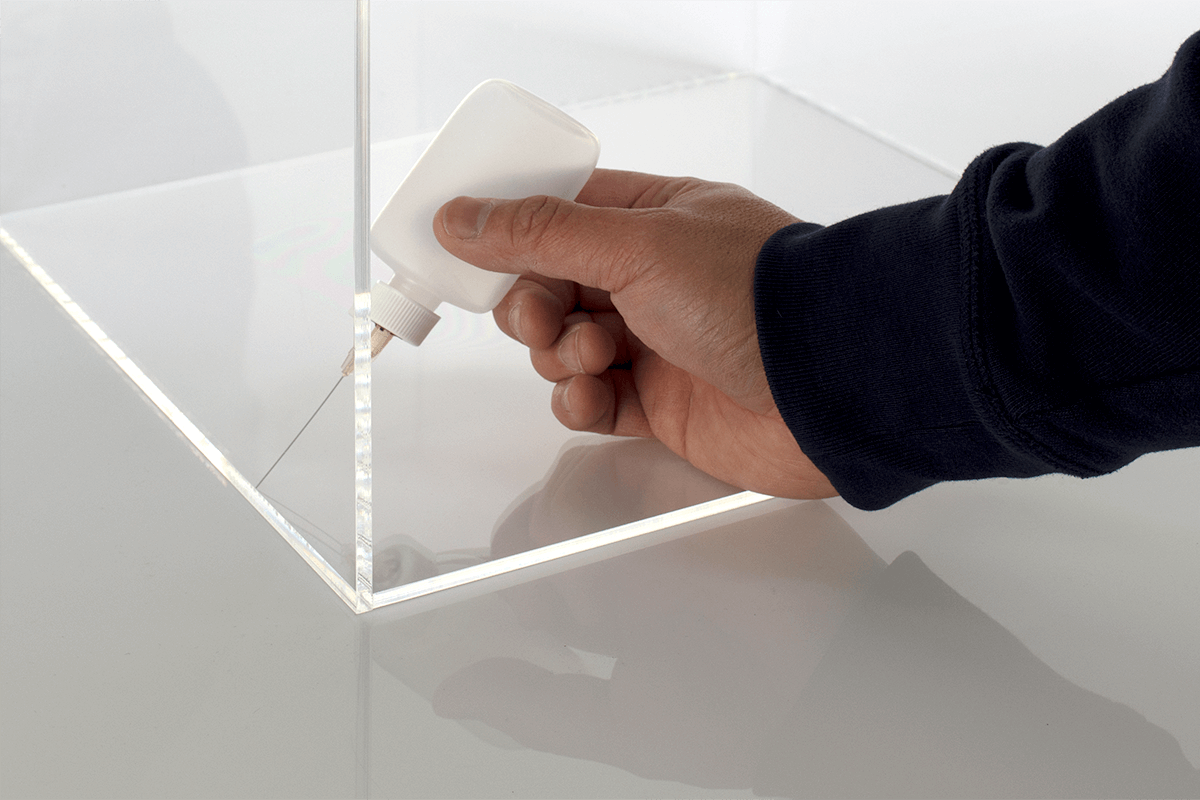
- Use glue that works with plastics.
- Clean surfaces well before sticking them together.
Health and Safety Practices
- Major Practices:
- Wear gloves and safety glasses.
- Use masks to avoid breathing in dust.
- Tie hair back and secure loose clothes.
- Keep the area clean to avoid falling.
- Common Hazards:
- Watch out for sharp edges and fumes.
- Be careful with tools to avoid cuts.
Important
Important: Safety is paramount in any workshop setting to prevent accidents and ensure a safe working environment.
Environmental Considerations
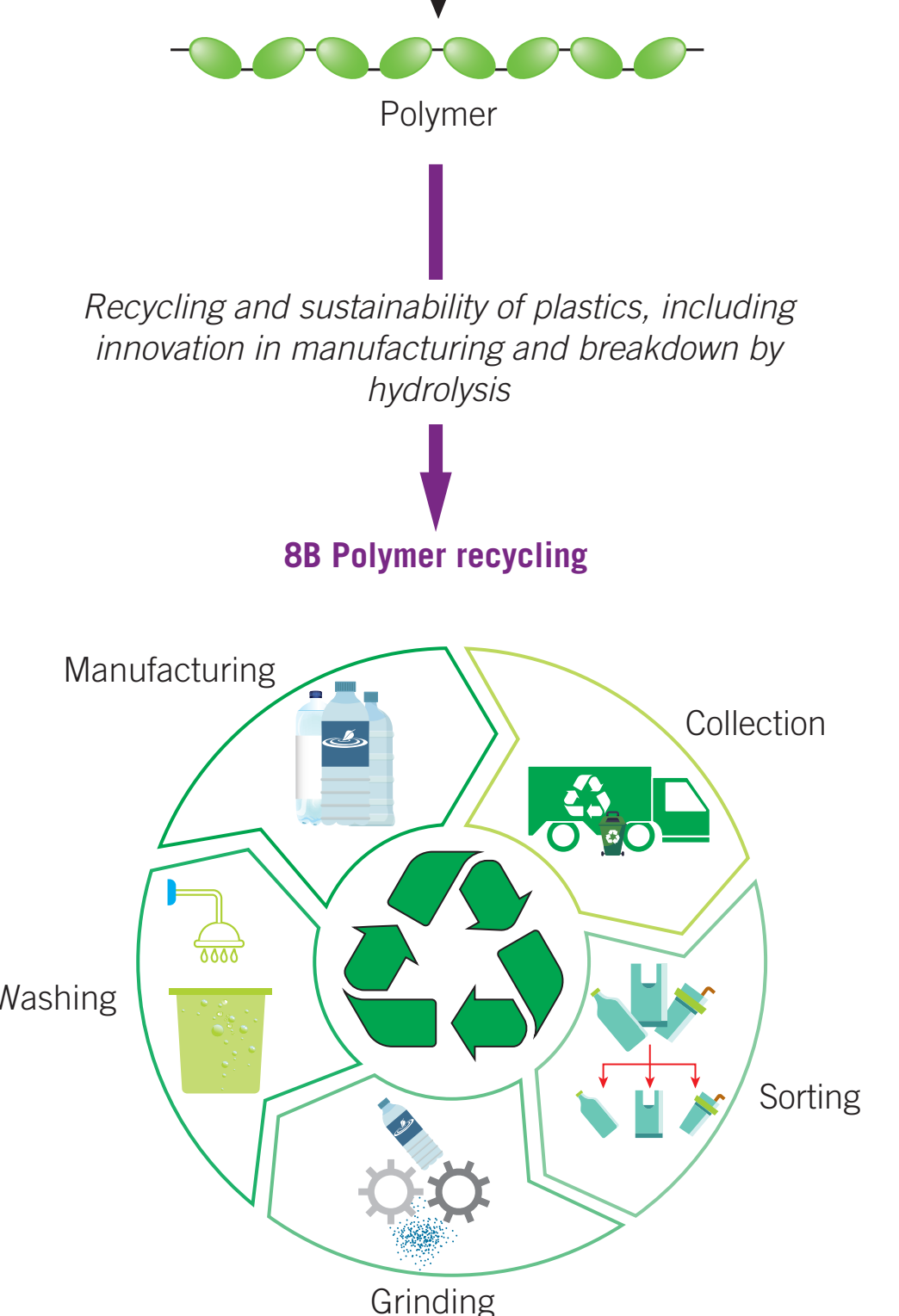
- Recycling Processes:
- Collect, sort, grind, and wash the plastics.
- Using recycled materials saves money and improves quality.
- Join recycling efforts to help the planet.
Note
Note: Recycling is an integral process in reducing waste and enhancing environmental sustainability.
Advantages of Integrating Plastics with Wood
- Advantages:
- More durable and cost-effective.
- Allows creative designs.
- Examples:
- Aesthetic Enhancement: Clear plastics make furniture look modern.
- Functional Projects: Combining wood with plastics makes outdoor furniture last longer.
Important
Important: Mixing materials such as plastics and wood enhances durability and aesthetic appeal, important for sustainable design solutions.
Note
Summary
- Key skills include cutting, shaping, and assembling plastics.
- Safety practices are vital in workshops.
- Recycling plastics boosts design and helps the environment.
- Mixing plastics with wood resolves design challenges and improves materials, contributing to sustainability.