Planer/Thicknesser (Junior Cert Wood Technology): Revision Notes
📚Revision Notes
Planer/Thicknesser
Overview
- A planer/thicknesser is essential in woodworking for achieving consistent thickness and a smooth finish.
- It combines planing and thicknessing to prepare boards for further use.
Definitions
- Squaring Timber: Creating perpendicular edges, essential for accurate joint fitting.
- Machining Timber: Shaping wood to meet specified dimensions.
Purpose
- It creates flat surfaces with uniform thickness from rough wood.
- It prepares wood for precise assembly and enhances appearance.
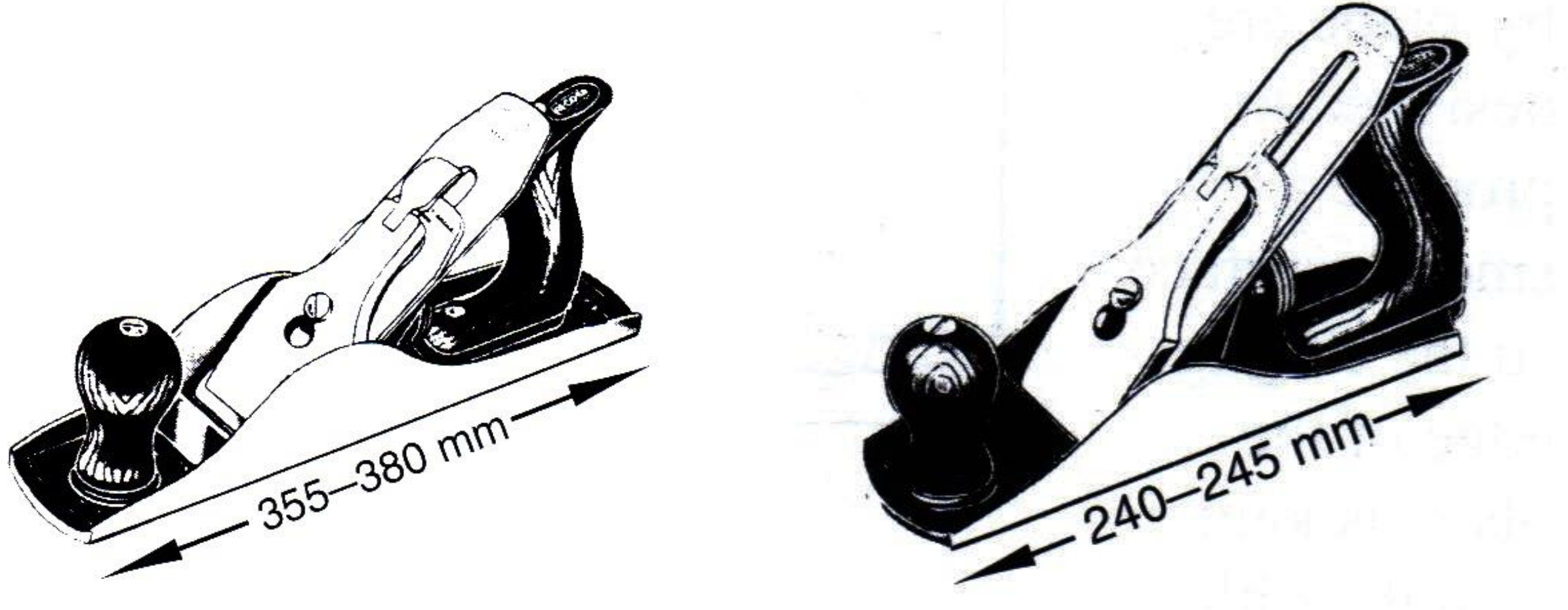
Primary Functions
- Squaring Timber
- Ensures flat surfaces and right-angled edges.
- Begins with a reference face and edge.
- Smoothing Surfaces
- Uses planing for a consistent texture.
- Machining to Thickness and Width
- Adjusts settings for precise dimensions.
Mechanics
Note
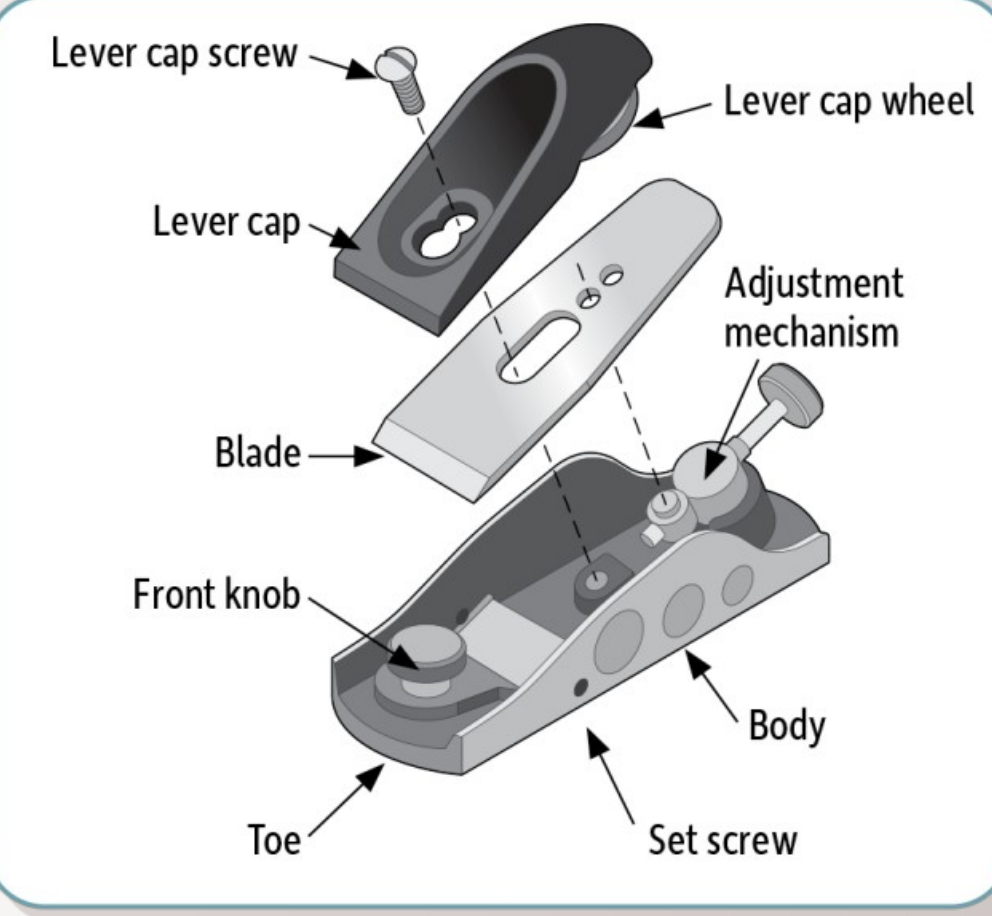
- Cutter Head: Cuts wood for thickness and influences finish quality.
- Feed Tables: Supports wood during processing.
- Motor: Powers the cutter head and feed system, essential for function.
Usage Tips
- Effective Usage
Note
- Feed timber steadily; follow the grain direction.
- Set controls for optimal performance.
- Maintenance
- Check blade sharpness regularly.
- Clean frequently to prevent clogging.
Safety Precautions
Important
- Essential Measures
- Maintain good posture; avoid overreaching.
- Know emergency stop controls.
- Ensure guards are in place and settings locked.
- PPE: Use eye protection and gloves.
Summary
Note
- Planer/thicknessers are crucial for smooth, precise wood pieces.
- Follow safety protocols and keep equipment maintained for long-lasting use.