Relative Humidity (Junior Cert Wood Technology): Revision Notes
📚Revision Notes
Timber Seasoning and Relative Humidity
Introduction
Relative Humidity (RH) is important in Wood Science and Materials, especially for Timber Seasoning. Understanding RH helps manage timber moisture, which impacts its quality and use.
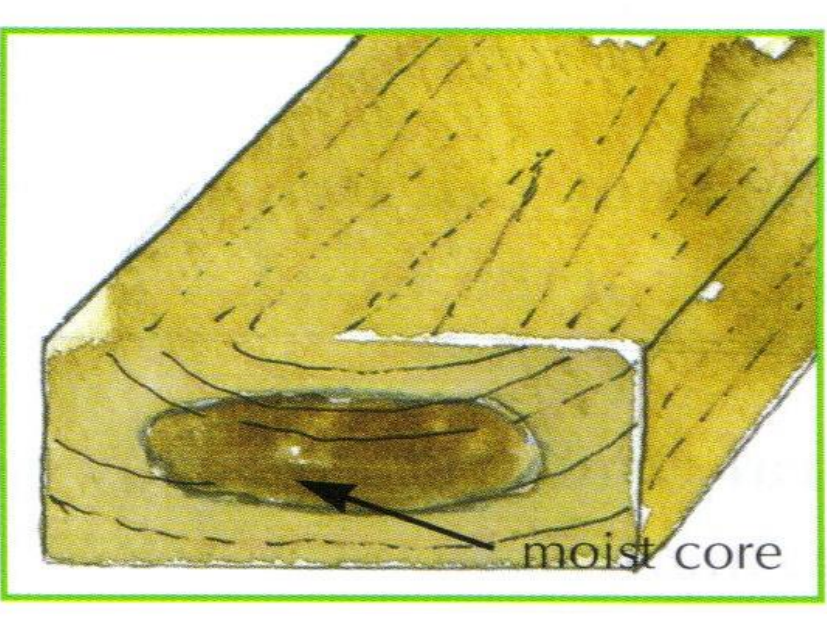
Definitions
- Relative Humidity
- It is the amount of moisture in the air compared to what it can hold at a certain temperature.
- It's key in timber seasoning to balance moisture.
- Moisture Content
- This is the water weight in timber compared to its dry weight, shown as a percentage.
- It tells us when timber seasoning is complete.
- Hygroscopicity
- The ability to absorb or release moisture, which makes wood expand or shrink.
Significance of Relative Humidity in Timber Seasoning
- Why Control RH:
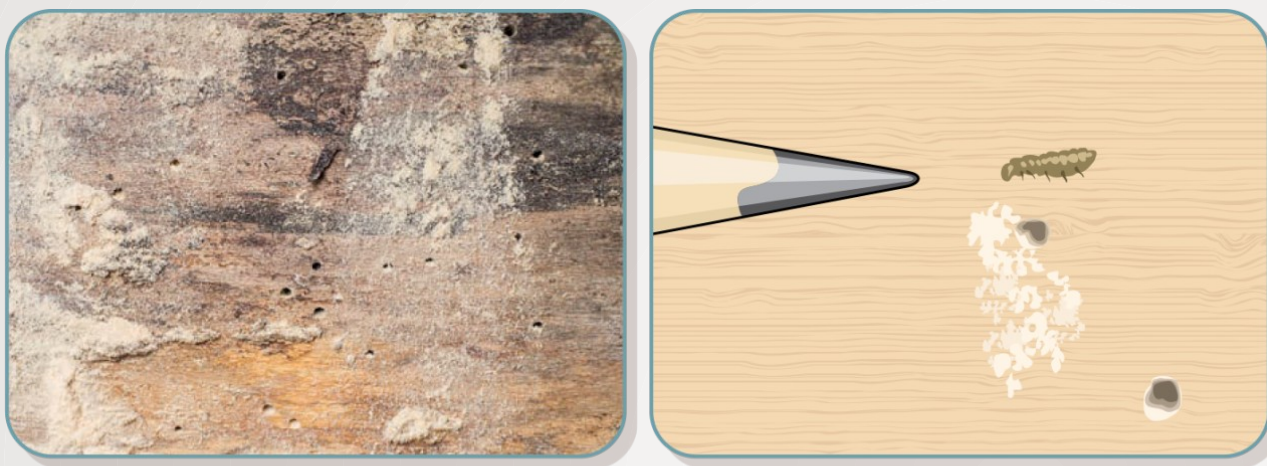
- Manages drying rates and stops defects like warping and cracking.
- Keeps the timber strong and lasting.
Influence on Moisture Content of Timber
- How RH Affects Moisture:
- High RH raises timber's moisture content.
- Low RH lowers timber's moisture content.
Hygroscopicity and Wood
- Effects of Hygroscopic Nature:
- Wood reacts to RH changes by taking in or releasing moisture, changing size and shape.
- Important for keeping wood stable, like in furniture making.
Relationship Between Relative Humidity and Drying Process
- Role in Drying:
- RH helps set drying schedules to stop defects like warping, checking, and case hardening.
- It manages the rate of moisture reduction inside the wood.
Summary
Note
- RH is crucial for controlling the drying process and moisture levels.
- It guides processes to stop defects and enhance timber stability.