Sharpening Chisels and Plane Blades (Junior Cert Wood Technology): Revision Notes
📚Revision Notes
Sharpening Chisels and Plane Blades
Overview
Sharpening chisels and plane blades is essential for woodworking. It helps you work better and more precisely. Aim to create a final bevel of about 30° on the tool. Sharp tools save time, reduce effort, and improve the finish of the project.
Definitions
- Sharpening:
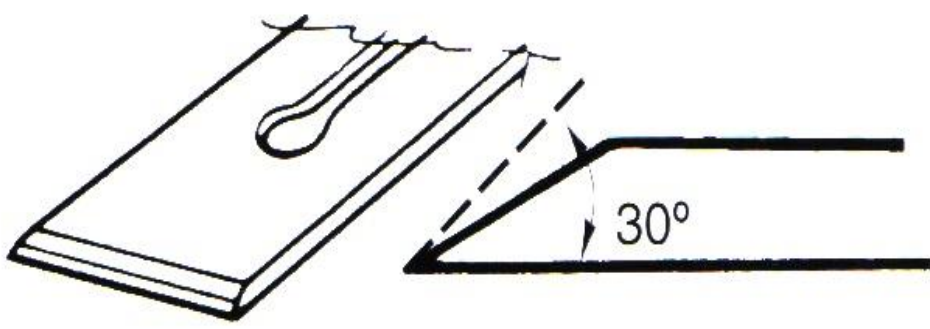
- In woodworking, sharpening means making the tool cut cleanly and accurately.
- Importance: A sharp edge cuts smoothly, reducing the force needed and improving work quality.
Materials and Tools Used
- Oilstones: Traditional stones used with oil to reduce friction. Good for precise and sharp finishes.
- Water Stones: Stones using water that sharpen faster than oilstones.
- Diamond Plates: Strong, versatile, and don't need oil or water. Good for many tools.
Detailed Sharpening Process
Note
- Preparation:
- Clean the workspace and collect all tools.
- Ensure tools are free from dirt and rust.
- Selecting the Stone/Plate:
- Choose the right stone based on the blade's condition and sharpness needed.
- Grinding:
- Set a rough bevel at 25° with an electric grindstone or system.
- Honing:
- Refine the bevel to 30° using an oilstone or water stone.
- Use a figure-eight motion for an even finish.
- Wire Edge/Burr Removal:
- Remove the burr or wire edge with gentle strokes.
Maintenance Tips
Important
- Regular Maintenance:
- Regular sharpening keeps tools in good shape, making grinding easier and preventing wear.
- It ensures consistent cutting and extends the life of the tools.
| Maintenance Frequency | Tool Longevity Rate |
|---|---|
| Regular | High |
| Sporadic | Low |
Sharpening Techniques
- Freehand Sharpening:
- Offers flexibility but needs skill.
- Pros and Cons:
Advantages Disadvantages Flexibility Skill Needed No Tools Needed Inconsistent Results
- Using Guides:
- Provides precision and consistency without needing advanced skills.
- Pros and Cons:
Advantages Disadvantages Consistent Less Flexibility Easy for Beginners Guide Costs
Final Checks and Testing
- Evaluation of Sharpness:
- Check the bevel and edge for any flaws.
- The blade should easily shave thin wood or cut paper without nicks.
Note
Summary
- A precise 30° bevel improves tool performance.
- Regular grinding and honing maintain a sharp edge for efficient cuts.
- Choose sharpening tools based on your needs.
- Regular testing ensures tools stay sharp, and maintenance extends their lifespan.
- Knowing different sharpening techniques helps tailor the process.