Pincers and Pliers (Junior Cert Wood Technology): Revision Notes
📚Revision Notes
Pincers and Pliers
Pincers and pliers are vital tools in woodworking, helping increase efficiency and precision. These tools are mainly used for gripping, cutting, and altering tasks.
Note
This guide explores the functionalities and types of pincers and pliers, as well as tips for their usage and maintenance.
Definitions
- Pincers: Tools with two handles and jaws used primarily for gripping and extracting nails or small items from wood. They provide strong leverage for drawing out nails.
- Pliers: Versatile tools with opposing jaws, used for gripping, bending, and cutting wires, designed to suit various woodworking functions.
Roles of Pincers and Pliers
- Gripping and Holding: Keep objects steady during woodworking tasks.
- Cutting: Ideal for snipping wires or trimming materials.
- Pulling Out Nails: Carpenter's pincers are key for removing embedded nails safely.
- Precision Work: Help in precise detail work on wood, important for intricate designs.
Types of Pincers and Pliers
- Carpenter's Pincers: Best for pulling out nails without damaging the wood.
- End-Cutting Pincers: Designed for cutting wires or trimming extra material closely.
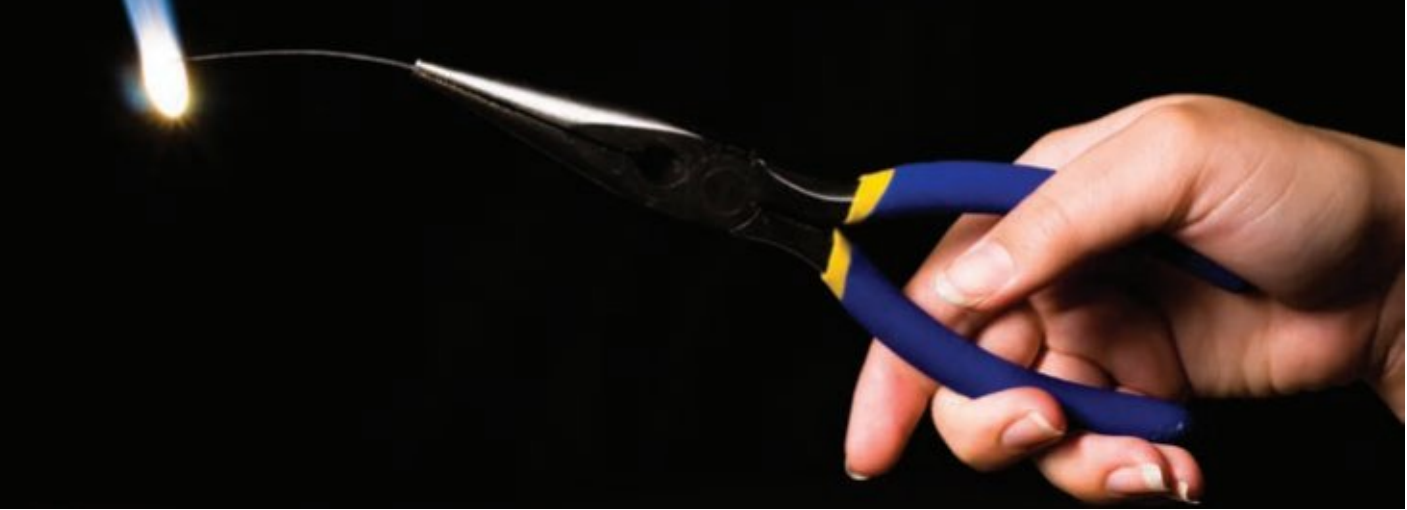
- Needle-Nose Pliers: Great for detailed tasks, like working with wires in tight spaces.
- Slip-Joint Pliers: Adjustable pliers for various wood projects needing different grip sizes, offering flexibility in tasks.
Tips for Using Pincers and Pliers
- Ergonomic Handling: Ensure comfort and reduce fatigue by using proper grip techniques.
- Firm Grip: Always hold firmly to avoid accidents and ensure precision.
- Safety Tips: Wear gloves and eye protection to prevent injuries in woodworking.
- Consider Material Hardness: Choose the right tool for the material's hardness for safe use.
- Aligned Gripping: Use aligned gripping methods for more control during precise tasks.
Important
Safety is essential: Always wear protective gear and verify tool conditions to avoid accidents.
Maintenance Tips
- Cleaning: Wipe tools with a dry cloth after use to remove debris and moisture.
- Rust Check: Regularly inspect for rust or wear and address them to avoid deterioration.
- Lubrication: Apply light oil to hinges and joints for smooth operation and rust prevention.
- Storage: Store tools in a dry place and choose rust-resistant materials if possible, like stainless steel or chrome-plated tools.
Summary
Note
- Primary Roles: Pincers and pliers are crucial for gripping and cutting tasks in woodworking.
- Distinct Types: Each type is designed for specific tasks, improving woodworking project efficiency.
- Usage Tips: Use ergonomic and safety practices for effective tool use.
- Maintenance: Regular care and maintenance are key for tool longevity and performance.