Planes and Spokeshaves (Junior Cert Wood Technology): Revision Notes
📚Revision Notes
Planes and Spokeshaves in Woodworking
This section focuses on the essential role that planes and spokeshaves play in woodworking, specifically in shaping wood to desired forms. It covers various types, usage techniques, and maintenance practices needed to ensure these tools remain functional.
Note
Pay attention to these key components as they are foundational in the art of woodworking.
Definitions
Plane: A hand tool used in woodworking to shape wood by smoothing surfaces or reducing dimensions of the wood piece. Ideal for creating flat surfaces and joining edges smoothly.
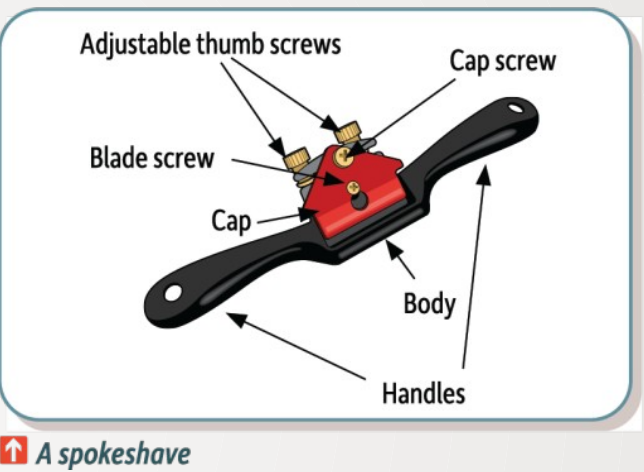
Spokeshave: A hand tool with a blade positioned between two handles, used for shaping and finishing wood, particularly in curved surfaces. Perfect for crafting and refining curves such as chair legs and instrument bodies.
The Role of Planes and Spokeshaves in Shaping Wood
- Planes and spokeshaves are crucial for smoothing, shaping, and dimensioning wood.
- These tools allow for precision and control in fine woodworking tasks, enabling detailed adjustments.
- They are essential for achieving smooth finished surfaces and accurate woodworking elements.
Types of Planes and Spokeshaves
- Bench Planes: Used for general-purpose flattening and jointing edges.
- Block Planes: Suitable for smaller pieces and end grain work.
- Specialty Planes: Includes rebate and plough planes, used for cutting grooves or creating intricate joints.
- Spokeshaves: Available in metal and wood, with flat spokeshaves used for convex shapes and round ones best for concave shapes.
Note
Selecting the right type of plane or spokeshave is crucial for the task at hand and significantly affects the outcome.
Techniques for Using Planes and Spokeshaves
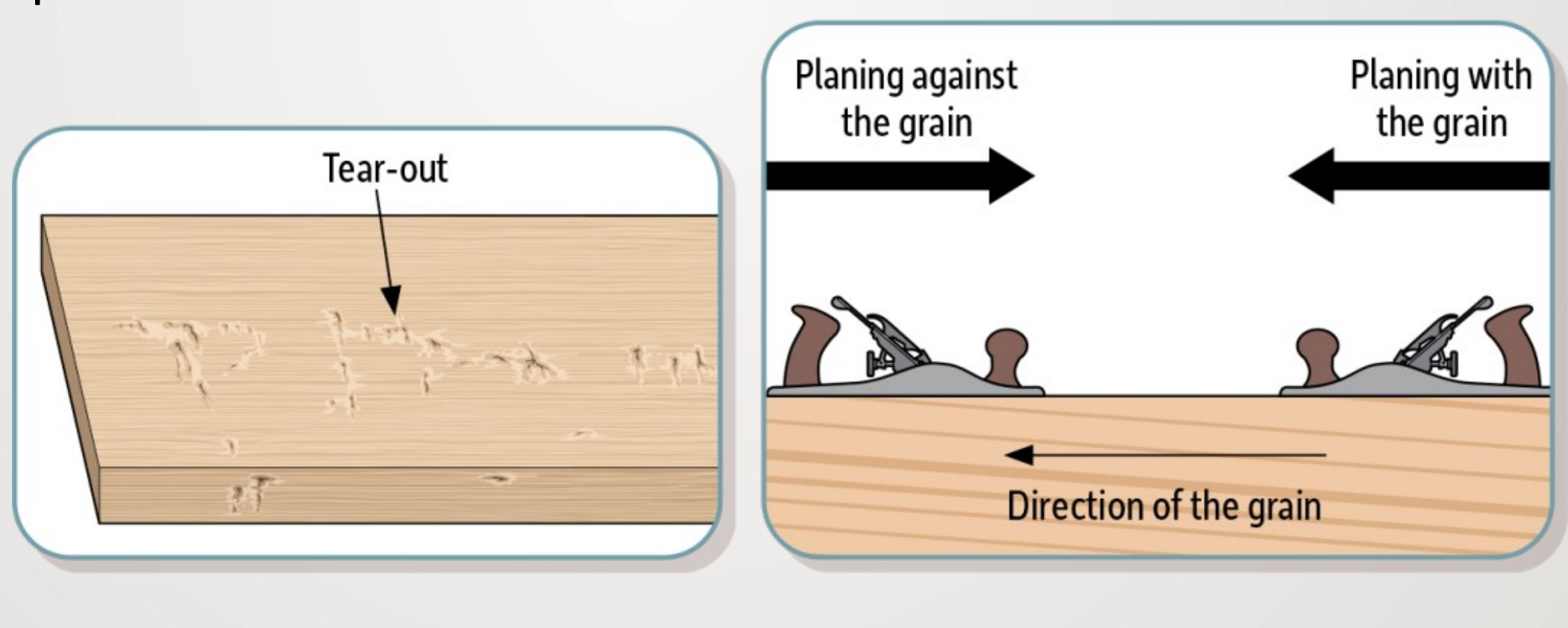
- Always work with the grain to avoid tear-out and achieve a smooth finish.
- Orient the spokeshave to maintain control on curved edges.
- Adjust the depth of the plane for different wood types and maintain even pressure.
Maintenance Practices
Important
Regular maintenance is critical to the performance and lifespan of these tools.
- Regularly clean tools and store them properly to prevent rust and maintain functionality.
- Sharpen blades consistently to avoid surface damage, using an oilstone or a sharpening system for best results. Ensure safety measures are taken when handling sharpening tools.
- Check alignment of plane soles and spokeshave blades to prevent miscuts.
- Lubricate moving parts occasionally to maintain smooth operation.
Include a table summarising a maintenance schedule and essential maintenance tools required.
Summary
Note
- Planes and spokeshaves are crucial tools in woodworking, used primarily for shaping and smoothing wood.
- Various types of these tools exist, each with specific applications suited for different woodworking needs.
- Proper technique in their usage is critical, including recognising wood grain direction.
- Regular maintenance is necessary to ensure longevity and performance of planes and spokeshaves.