Shaping Tools (Junior Cert Wood Technology): Revision Notes
📚Revision Notes
Shaping Tools in Woodworking
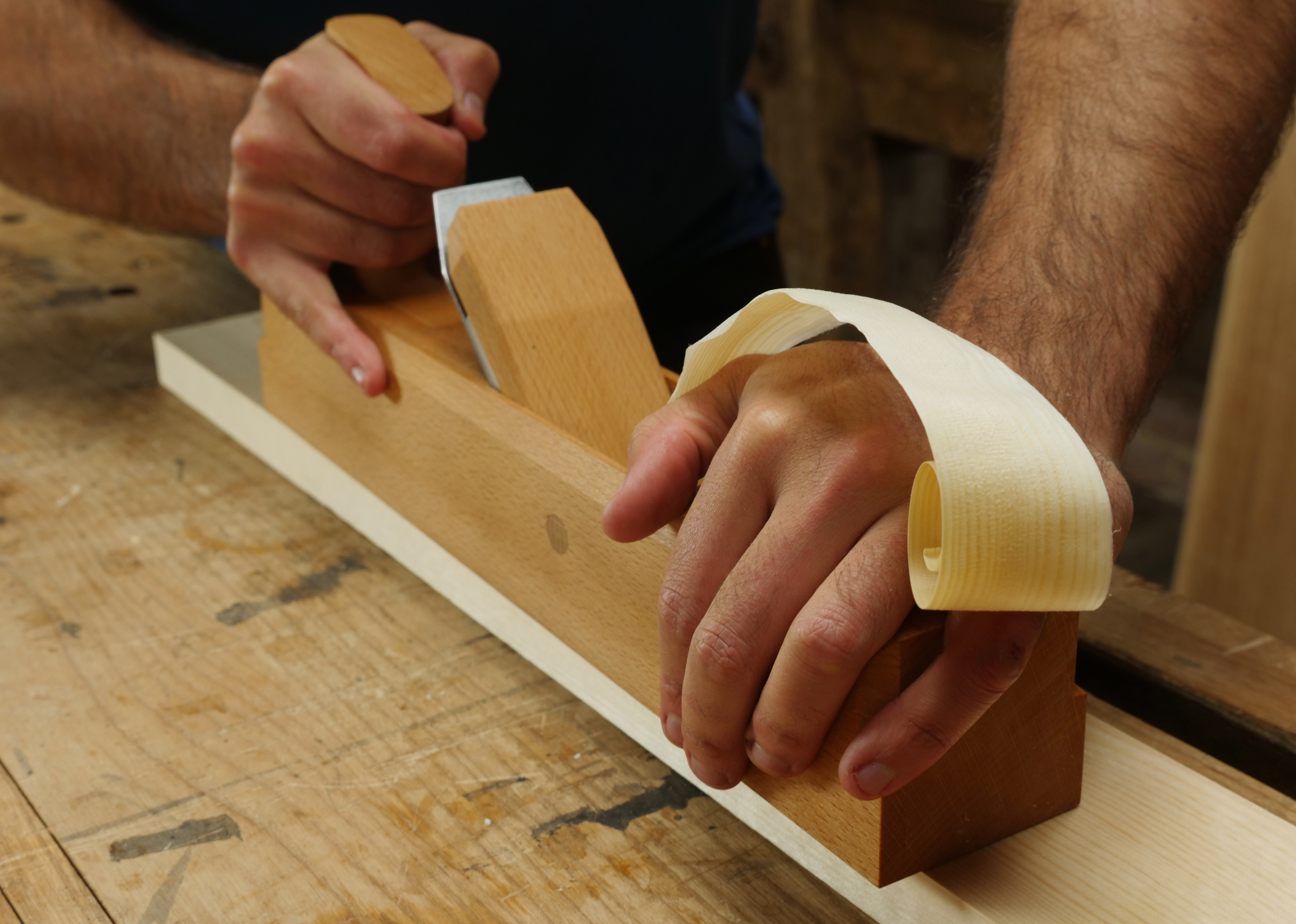
Shaping tools are essential hand tools in woodworking for refining wooden pieces' shape, size, and surface quality. They are crucial in achieving precision and detail in woodworking projects.
Definitions
- Shaping Tools: Hand tools used in woodworking to alter the form, dimensions, and texture of wooden materials.
- Planing: The process of cutting away narrow strips of wood to create a smooth surface.
- Spokeshave: A tool with a blade stretching across a handle, primarily used for smoothing and shaping cylinders and curved wooden shapes.
- Files: Tools with a coarse surface for shaping or smoothing fine wooden details or areas inaccessible to larger tools.
Overview of Shaping Tools
Shaping tools such as planes, spokeshaves, and files are essential in providing the necessary fit and finish in woodworking projects:
- Modify wooden surfaces to achieve desired contours.
- Enhance the fit of components in various woodworking projects.
Types of Shaping Tools
- Planes
- Used for smoothing and flattening large wooden surfaces. Bench planes are commonly used for flattening.
- Equipped with a sharp blade for shaving thin layers off surfaces.
- Frequently used in furniture making to ensure boards are even and smooth.
- Spokeshaves
- Designed for working on rounded, cylindrical shapes. Used extensively in chair-making for shaping legs.
- Available in different configurations for specific tasks (e.g., flat for straight edges, round for curves).
- Provides control over curved shaping, especially in creating circular shapes.
- Files
- Comes in various shapes and coarseness levels. Rasps and rifflers offer diverse shaping possibilities in woodworking.
- Used to smooth fine details or shape areas too small for planes or spokeshaves.
- Suitable for working with different wooden components.
Effective Use of Shaping Tools
To use shaping tools effectively:
Important
- Tool Selection: Choose the appropriate tool for the task. For shaping the curve on a chair leg, opt for a spokeshave.
- Control and Precision: Maintain a steady hand and follow the grain direction to avoid tearing.
- Efficiency: Use long, even strokes to maximise surface smoothing while minimising waste.
Safety Precautions and Maintenance
Safety Precautions:
Note
- Ensure a firm grip on tools.
- Wear protective eyewear to shield from flying debris.
- Store tools securely when not in use.
Maintenance:
- Cleaning: Remove wood shavings and debris after use.
- Sharpening: Regularly sharpen blades to ensure clean cuts.
- Repairs: Address any tool damage promptly to maintain performance.
Summary
Note
- Shaping tools are fundamental for detailed and precise woodworking tasks.
- Different types of shaping tools cater to various shaping and smoothing needs.
- Effectiveness in shaping tools relies on proper technique and tool selection.
- Safety and maintenance are crucial for safe and sustained use of shaping tools.
- Successful woodworking demands choosing the right shaping tool and adhering to precise techniques and safety measures.