The Life Cycle of a Tree (Junior Cert Wood Technology): Revision Notes
📚Revision Notes
Tree Life Cycle
Understanding the life cycle of trees is essential in wood technology and wood science. It affects how different types of wood are used in technology. By knowing these stages, we can determine the best times to harvest wood, which helps us manage forests sustainably.
Definitions
- Seed Germination: The first stage in which seeds grow when they get moisture, oxygen, and warmth.
- Maturity: At this stage, a tree is fully grown and can reproduce. It has reached stability in size, ensuring consistent wood quality.
- Senescence: The last phase when the tree slows down and eventually dies, with decreased activity.
- Juvenile Phase: The tree experiences fast growth and develops leaves and branches.
- Environmental Influences: Things like climate, soil, and water that affect how trees grow.
Note
The summary sections at the end of notes should be contained within note callouts.
Stages of a Tree's Life Cycle
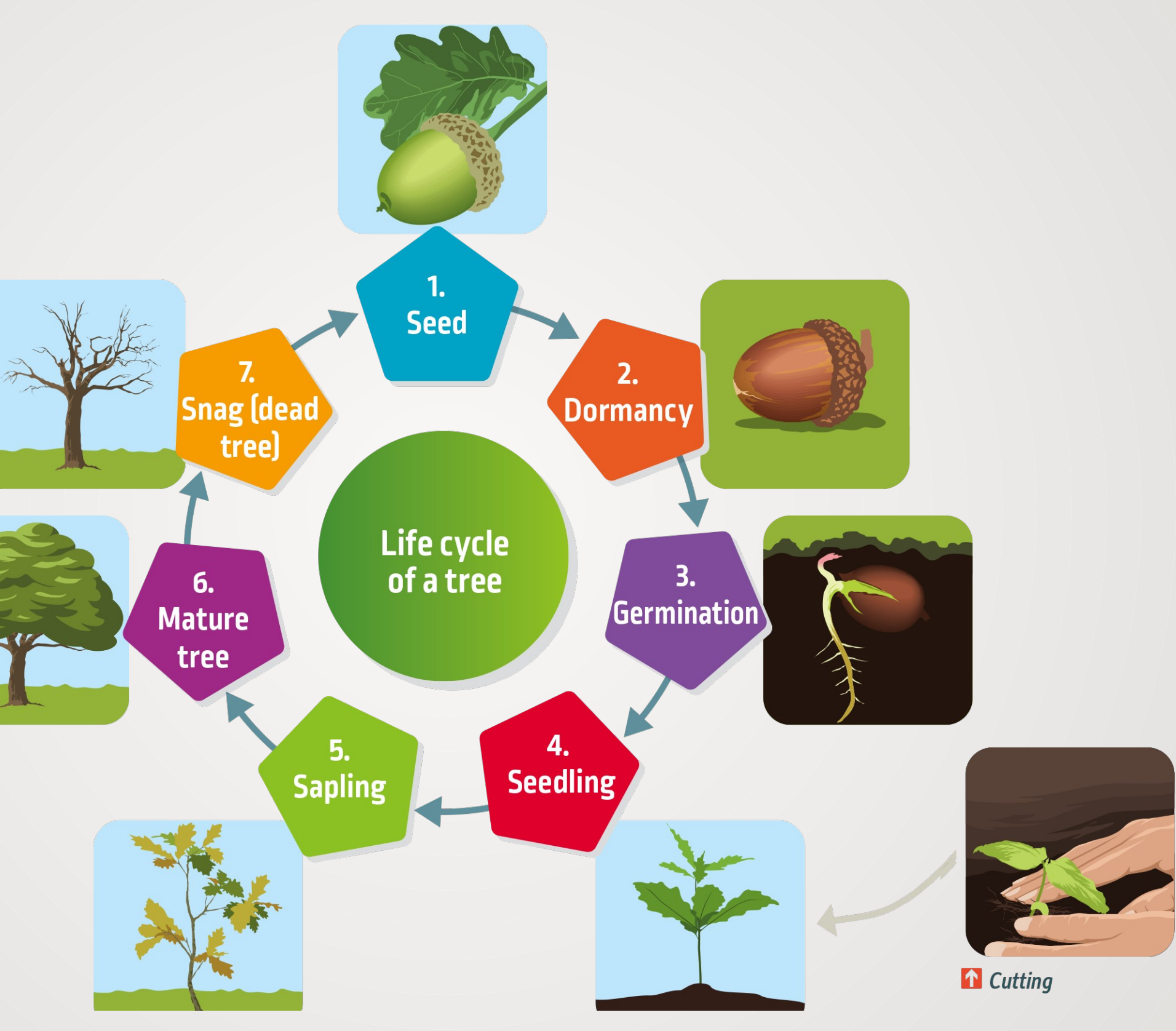
- Seed Germination: Starts when conditions are just right. The seed absorbs water, expands, and develops roots.
- Growth to Maturity: The tree takes in nutrients, grows taller and wider, and forms a sturdy canopy, ensuring good wood quality.
- Reproduction: The tree makes flowers and seeds, essential for its species to continue.
- Senescence and Death: The tree's processes slow down, returning nutrients to the ecosystem.
Growth Phases
- Juvenile: Rapid growth occurs here. Young, flexible wood is perfect for some products, providing shelter and food.
- Mature: Growth steadies, making wood suitable for building and carpentry.
- Old Age: Growth slows, making trees more prone to diseases and reducing their wood value.
Factors Affecting Growth
- Soil Quality: Provides important nutrients, key in early and mature stages for growth.
- Water: Necessary for growth and photosynthesis.
- Climate: Affects growth patterns with the necessary temperature and sunlight.
Important
Understanding the impact of soil quality, water, and climate is critical for both conservation efforts and maximising wood utility.
| Factor | Impact |
|---|---|
| Soil Quality | Key for nutrient uptake in early and mature stages |
| Water | Essential for all stages, supports photosynthesis and cell functions |
| Climate | Influences growth and stress resistance |
Role of Trees in Ecosystems
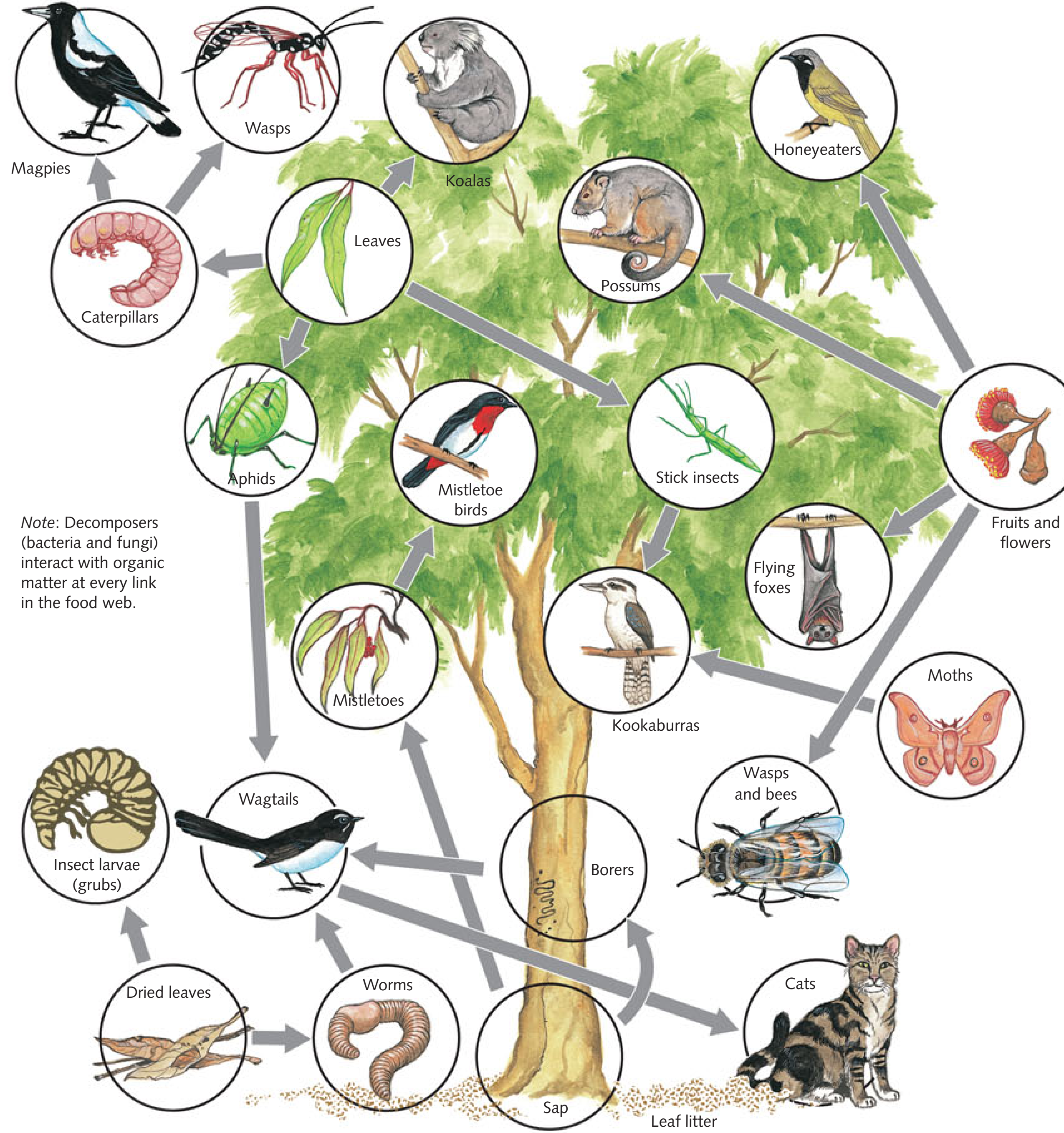
- Youth Phase: Contributes to oxygen production and carbon dioxide absorption through photosynthesis.
- Maturity: Provides habitats and helps capture carbon, crucial for nutrient cycling.
- Old Age/Senescence: Enriches soil with dead organic matter and supports biodiversity.
Note
Summary
- Tree Life Cycle: Includes seed germination, maturity, and senescence.
- Environmental Impact: Growth is influenced by soil, water, and climate at every stage.
- Wood Technology Significance: Different growth phases offer different optimal wood uses.
- Ecological Contributions: Trees enhance biodiversity and ecosystem health across life stages.