Using and Applying Veneer (Junior Cert Wood Technology): Revision Notes
📚Revision Notes
Veneering Techniques
Core Concepts
- Veneer: A thin layer of wood or similar material applied to improve looks or add strength to a base surface.
- Contact Adhesive: Suitable for materials that don't absorb liquids; bonds instantly when surfaces meet.
- P.V.A. (Polyvinyl Acetate) Adhesive: A water-based glue essential for woodworking because it is flexible.
- Grounding: The practice of levelling and cleaning a surface before adding veneer.
- Substrate: The base material, like MDF or chipboard, where veneers are applied. They are chosen for their smooth, even surfaces.
Step-by-step Instructions
Preparation
- Sand with fine-grit sandpaper to smooth the surface.
- Clean using a tack cloth to remove dust.
- Use a primer if needed to improve how well things stick.
Adhesive Application
- Choose based on needs: P.V.A. for flexibility, contact adhesive for quick use.
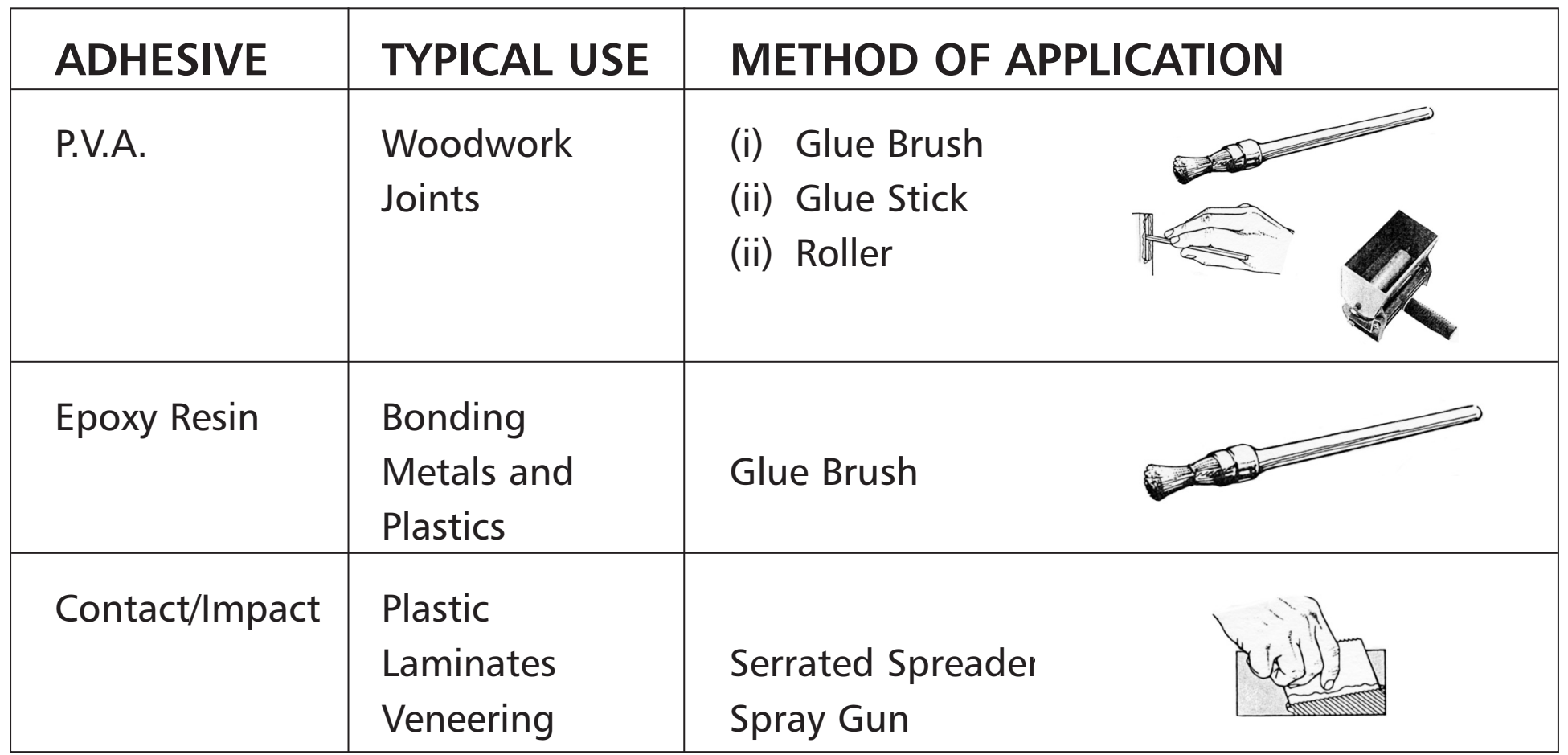
- Contact Adhesive: Apply with a spreader or spray. Let it get sticky; moving it later is tough.
- P.V.A. Adhesive: Use a brush, roller, or stick. Let it partly set before placing the veneer.
Note
Choosing the right adhesive based on your specific needs is essential for successful veneering.
Benefits and Drawbacks of Adhesives
- Contact Adhesive:
- Pro: Bonds instantly.
- Con: Hard to adjust once bonded.
- P.V.A. Adhesive:
- Pro: More adjusting time; dries clear.
- Con: Requires longer curing time.
Important
It is crucial to understand that Contact Adhesive limits movement post-application, whereas P.V.A. Adhesive allows adjustments.
Explanation of the Veneering Process
- Grounding: Makes sure the surface is smooth and dust-free for the best bond.
- Application Techniques:
- Hot Press Method: Uses heat for a strong bond.
- Cold Press Method: Uses pressure, good for delicate veneers. Use clamps or weights for steady pressure.
Techniques for Fixing Veneers
- Edge Banding: Covers raw veneer edges.
- Pressing Methods: Use a hammer or smoothing blade to remove air and ensure a good bond during pressing. It gives even pressure.
Note
Proper pressing techniques ensure an even bond and avoid air bubbles.
Considerations for Backing Pieces
- Chipboard and MDF: Commonly used for being affordable and easy to find.
- Preparation: Keep dry, seal edges to avoid swelling.
- End-Use Considerations: Affects applications, like moisture and surface treatment.
- Pros: Stable surface for veneer.
- Cons: Can swell with moisture.
Summary
Note
- Good preparation and adhesive choice are key in veneering.
- Contact adhesive is fast but limits movement, while P.V.A. offers adjustments and clear drying.
- Proper techniques with the right backing ensure quality. Substrate choice impacts use and moisture considerations.