Agricultural Machinery (Leaving Cert Agricultural Science): Revision Notes
📚Revision Notes
Agricultural Machinery
Agricultural machinery plays a vital role in modern farming by mechanising labour-intensive tasks and improving efficiency across all stages of crop production. These machines can be categorised into three main groups based on their function in the farming cycle: soil cultivation equipment, tillage operation machinery, and harvesting equipment.
Machinery used in soil cultivation
Soil cultivation is the foundation of successful crop production, requiring careful preparation of the land to create optimal growing conditions. The following machines work in sequence to transform raw field conditions into a prepared seedbed ready for planting.
Plough
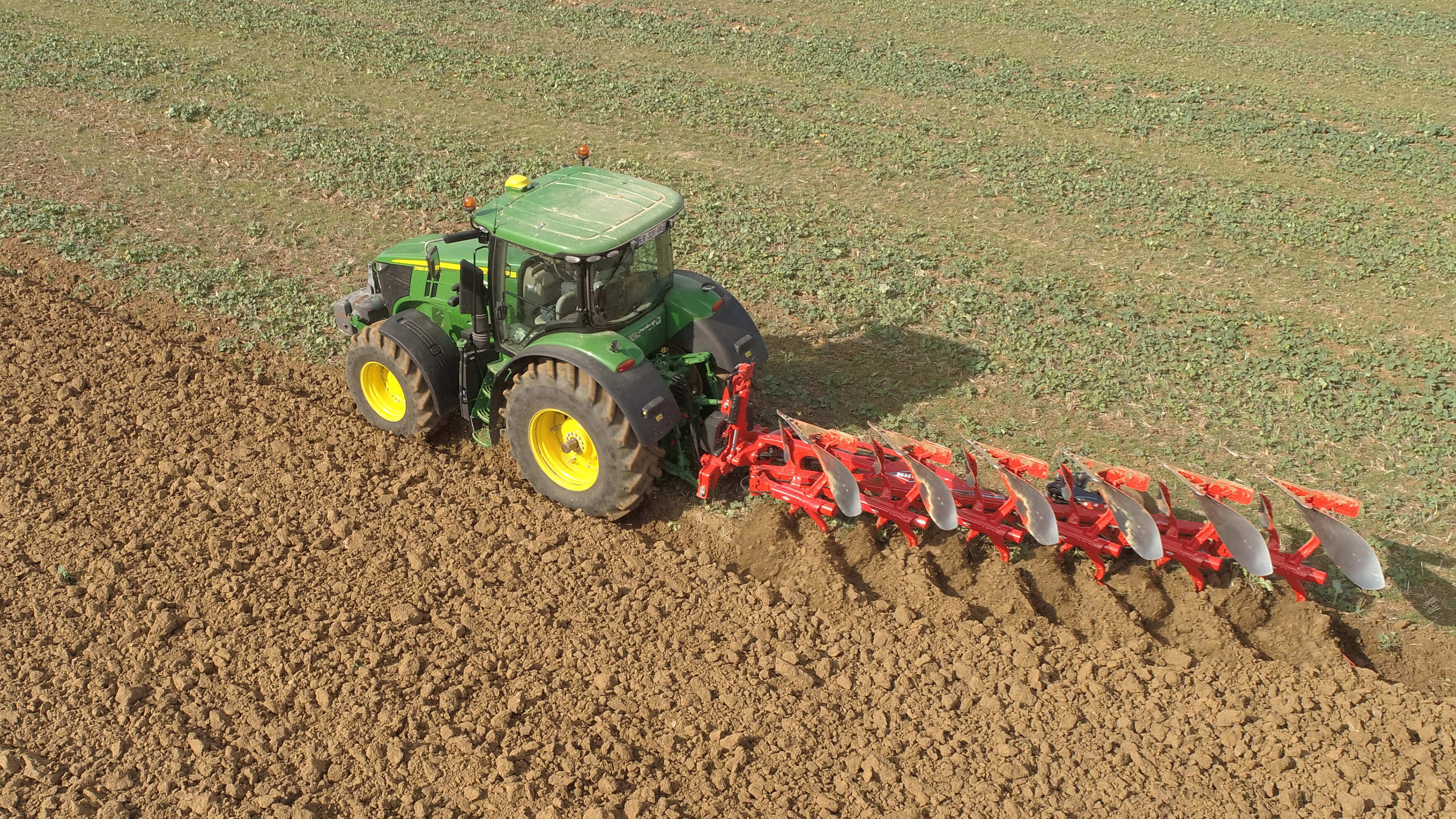
The plough is the primary soil cultivation implement that begins the land preparation process. Ploughing transforms the field by completely inverting the top layer of soil, which serves multiple important functions for crop establishment. When the plough moves through the field, it effectively buries any remaining stubble from the previous harvest along with weeds that may have established themselves. This burial process is crucial as it eliminates competition for nutrients and space that new crops would otherwise face.
Note
Ploughing involves the removal of the top layer of soil in a field, which serves multiple purposes: burying crop residues and weeds, introducing air into the soil through aeration, and bringing nutrients from deeper layers to the surface where plant roots can access them.
The ploughing process creates significant benefits for soil health and crop growth. Most importantly, it introduces air into the soil through a process called aeration, which improves the soil's ability to support plant root development and beneficial soil organisms. The turning action also brings nutrients from deeper soil layers to the surface where plant roots can more easily access them.
As the plough works through the field, it creates distinctive patterns in the soil. Each pass of the plough creates a furrow, which is essentially a long trench cut into the earth. Between each of these furrows, the displaced soil forms raised areas called ridges. This furrow and ridge pattern is temporary and will be smoothed by subsequent cultivation operations.
Subsoiler
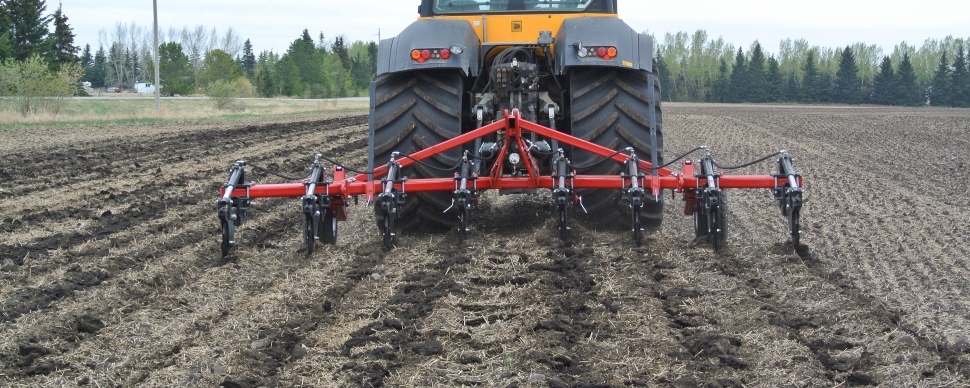
The subsoiler addresses one of the most challenging problems in modern agriculture: soil compaction. This specialised implement becomes necessary when soils have become heavily compacted, a condition that severely restricts plant growth and field productivity.
Important
Compacted soil creates serious problems: When soil becomes compacted, water cannot drain properly through the soil profile, leading to waterlogged conditions that damage plant roots. Additionally, compacted soil restricts air movement, creating anaerobic conditions that harm both plant roots and beneficial soil organisms.
Soil compaction creates numerous problems that significantly impact crop yields. When soil becomes compacted, water cannot drain properly through the soil profile, leading to waterlogged conditions that damage plant roots. Additionally, compacted soil restricts air movement, creating anaerobic conditions that harm both plant roots and beneficial soil organisms.
Compaction typically occurs when heavy machinery repeatedly travels over the same areas of the field, especially when soil conditions are wet. Once soil becomes severely compacted, a normal plough simply cannot generate enough force to break through the hardened layers.
The subsoiler can be easily identified by its distinctive tines - heavy, pointed implements that penetrate deep into the soil profile. These tines are specifically designed to shatter compacted layers without bringing subsoil to the surface, preserving the soil structure while restoring proper drainage and aeration. The subsoiler is typically attached to a powerful tractor, as considerable force is required to pull the tines through compacted soil.
Harrow
After ploughing creates the initial soil disturbance, the harrow performs the important secondary cultivation work needed to refine the soil surface. The harrow's primary function is to break up the soil surface and eliminate any clods or lumps that remain after ploughing operations.

The harrow works specifically on the soil surface rather than at depth, unlike the plough which turns soil completely. It systematically breaks apart any clods left on the surface after the ploughing operation, creating a more uniform soil texture. This surface refinement is essential for creating proper conditions for the next step in soil preparation.
Note
The harrow only works on the soil surface and does not turn soil at greater depths like a plough does. This surface-focused action makes it ideal for the final stages of soil preparation without disturbing the deeper soil structure that the plough has already established.
Roller
The roller performs the final step in soil cultivation, creating the ideal seedbed conditions that cereal crops require for successful establishment. This implement is particularly important for crops like wheat, barley, and oats, which benefit from firm soil contact around their seeds.

The roller's primary function is creating a firm seedbed, which is essential for proper seed germination. When seeds are planted in loose, fluffy soil, they may not maintain adequate contact with soil moisture, leading to poor germination rates. The roller compresses the soil to an optimal density that allows seeds to draw moisture while still permitting air circulation.
By creating better contact between seeds and soil, the roller significantly improves germination establishment. Seeds need consistent moisture contact to begin the germination process, and the firm seedbed created by rolling ensures this critical contact is maintained. This improved seed-to-soil contact translates directly into higher germination rates and more uniform crop establishment.
The roller also serves an important secondary function by breaking up any remaining clods on the soil surface, completing the soil preparation process that began with ploughing and continued with harrowing.
Machinery used in tillage operations
Tillage operations encompass the planting phase of crop production and the application of necessary inputs like fertilisers and crop protection chemicals. These machines ensure precise placement and application of seeds and treatments for optimal crop establishment and growth.
Seed drills
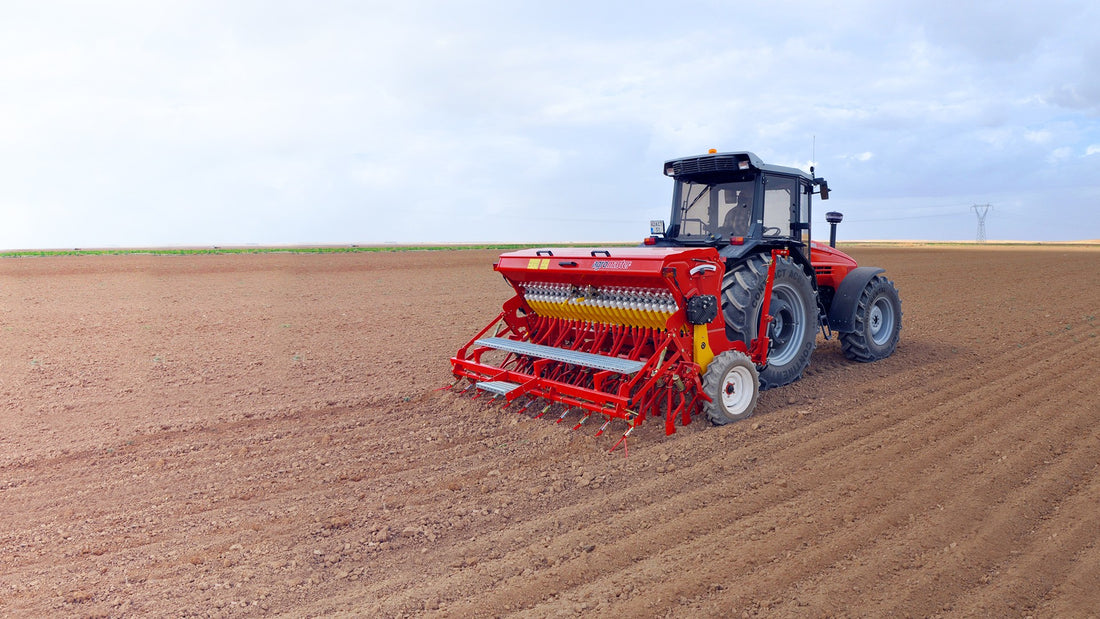
Seed drills represent a major advancement in planting technology by automating the sowing process and ensuring optimal seed placement for maximum crop success. These sophisticated machines eliminate the guesswork and inconsistency associated with traditional broadcasting methods.
Important
Seed drills automate the sowing of a crop by providing precise control over the planting process. The machine automatically metres out seeds at predetermined rates and places them at exactly the right depth and spacing for the specific crop being planted.
The automation aspect of seed drills provides farmers with precise control over the planting process. The machine automatically metres out seeds at predetermined rates and places them at exactly the right depth and spacing for the specific crop being planted. This precision is impossible to achieve with manual sowing methods and ensures every seed has the best possible chance of successful germination.
Proper depth and spacing are critical factors in crop establishment. Seeds planted too shallow may dry out before germination, while those planted too deep may exhaust their energy reserves before reaching the surface. Similarly, seeds planted too close together will compete for resources, while those spaced too far apart waste valuable growing space. Seed drills eliminate these problems by maintaining consistent depth and spacing across the entire field.
The impact on germination rates is dramatic when comparing seed drill planting to traditional broadcasting methods. The precise placement and optimal growing conditions created by seed drills result in significantly higher percentages of seeds successfully germinating and establishing as healthy plants.
Fertiliser spreader
Fertiliser spreaders mechanise the application of essential plant nutrients, making the fertilisation process more efficient and effective. These machines address both the time and precision challenges associated with fertiliser application in modern farming operations.

The time-saving benefits of fertiliser spreaders are substantial. Manual fertiliser application across large fields would require enormous amounts of labour and time, making it economically impractical for commercial farming operations. Mechanised spreading allows farmers to cover large areas quickly and efficiently.
More importantly, fertiliser spreaders ensure more efficient operation by providing uniform application across the entire field. Uneven fertiliser distribution leads to areas of over-fertilisation and under-fertilisation, both of which reduce crop yields and waste expensive fertiliser inputs. The consistent spreading pattern achieved by these machines optimises nutrient availability throughout the field.
Sprayer
Sprayers provide precise application of chemicals and pesticides, ensuring uniform coverage while minimising waste and environmental impact. These machines are essential for modern crop protection programmes that maintain plant health throughout the growing season.

The uniform application capability of sprayers is crucial for effective pest and disease control. Inconsistent coverage leaves areas vulnerable to pest damage while potentially over-applying chemicals in other areas. This uniformity ensures that protective chemicals reach all parts of the crop canopy where they are needed.
Sprayers also allow farmers to apply chemicals at optimal timing and rates, maximising their effectiveness while minimising environmental impact through precise application control.
Machinery used in harvesting
Harvesting machinery collects mature crops and prepares them for storage or further processing. These machines must efficiently separate the valuable crop components from plant material while maintaining grain quality and minimising losses.
Combine harvester
The combine harvester is perhaps the most sophisticated piece of agricultural machinery, earning its name by combining three separate harvesting functions into a single, efficient operation. This machine revolutionised grain production by mechanising the labour-intensive processes that previously required large work crews and considerable time.
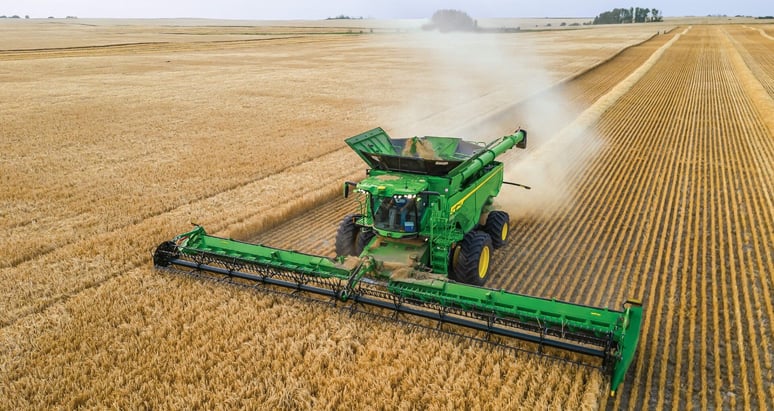
The combine harvester is specifically designed to harvest cereal crops including barley, wheat, and oats. Its complex internal mechanisms perform three distinct but integrated functions that transform standing grain crops into clean, storage-ready grain.
Example
The Three Functions of a Combine Harvester:
Step 1: Reaping - Cutting the stalks of grain crops as the combine moves through the field. Sharp cutting mechanisms slice through the plant stems at the optimal height to capture the grain-bearing seed heads.
Step 2: Threshing - Loosening the grain seeds from the straw and chaff through mechanical beating and rubbing actions inside the machine. This process separates the valuable grain from the plant material.
Step 3: Winnowing - Separating the grain from the chaff and other debris using air currents and screens. This cleaning process ensures that only clean grain is collected in the storage tank.
The first function, reaping, involves cutting the stalks of grain crops as the combine moves through the field. Sharp cutting mechanisms slice through the plant stems at the optimal height to capture the grain-bearing seed heads while leaving stubble in the field.
The second function, threshing, loosens the grain seeds from the straw and chaff through mechanical beating and rubbing actions inside the machine. This process separates the valuable grain from the plant material that supported it during growth.
The final function, winnowing, separates the grain from the chaff and other debris using air currents and screens. This cleaning process ensures that only clean grain is collected in the combine's storage tank, while lighter chaff and debris are blown away.
Mower conditioner
The mower conditioner serves the essential function of cutting grass crops for silage or hay production while simultaneously preparing the cut material for faster drying. This dual-action capability significantly improves the efficiency of forage harvesting operations.
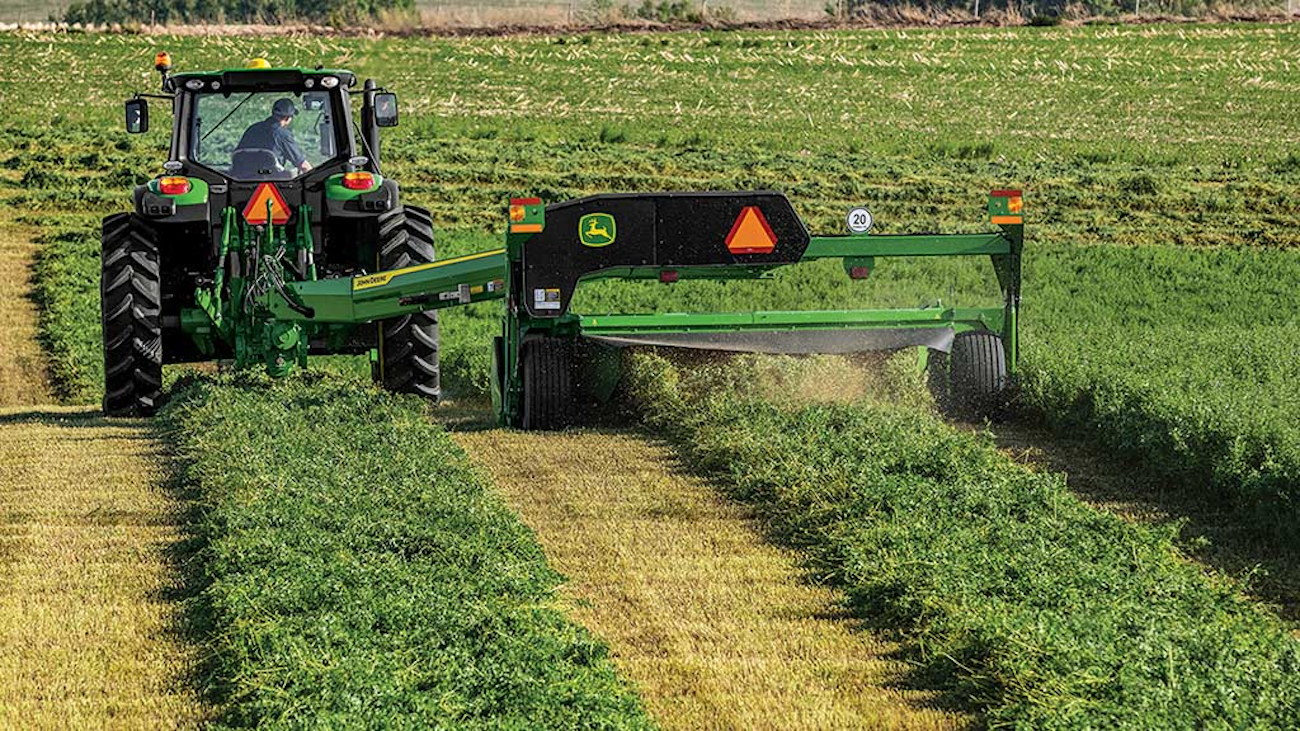
The cutting function of the mower conditioner efficiently harvests grass crops when they reach optimal maturity for either silage production or hay making. The machine's cutting mechanisms are designed to handle various grass species and cutting conditions while maintaining consistent cutting height.
Note
The conditioning aspect sets this machine apart from simple mowers. After cutting, the grass passes through two rollers that crimp and crush the plant stems. This conditioning process significantly increases the surface area exposed to air and sunlight, enabling much faster drying.
The conditioning aspect sets this machine apart from simple mowers. After cutting, the grass passes through two rollers that crimp and crush the plant stems. This conditioning process significantly increases the surface area of the cut grass exposed to air and sunlight, enabling much faster drying compared to unconditioned grass.
This faster drying capability is crucial for both silage and hay production. For hay making, faster drying reduces the risk of weather damage and maintains higher nutritional quality. For silage production, the conditioning process helps achieve optimal moisture levels for fermentation.
Rotary rake
The rotary rake works in conjunction with the mower conditioner to optimise grass drying and prepare forage material for collection. This machine performs important conditioning work that improves drying efficiency and forage quality.
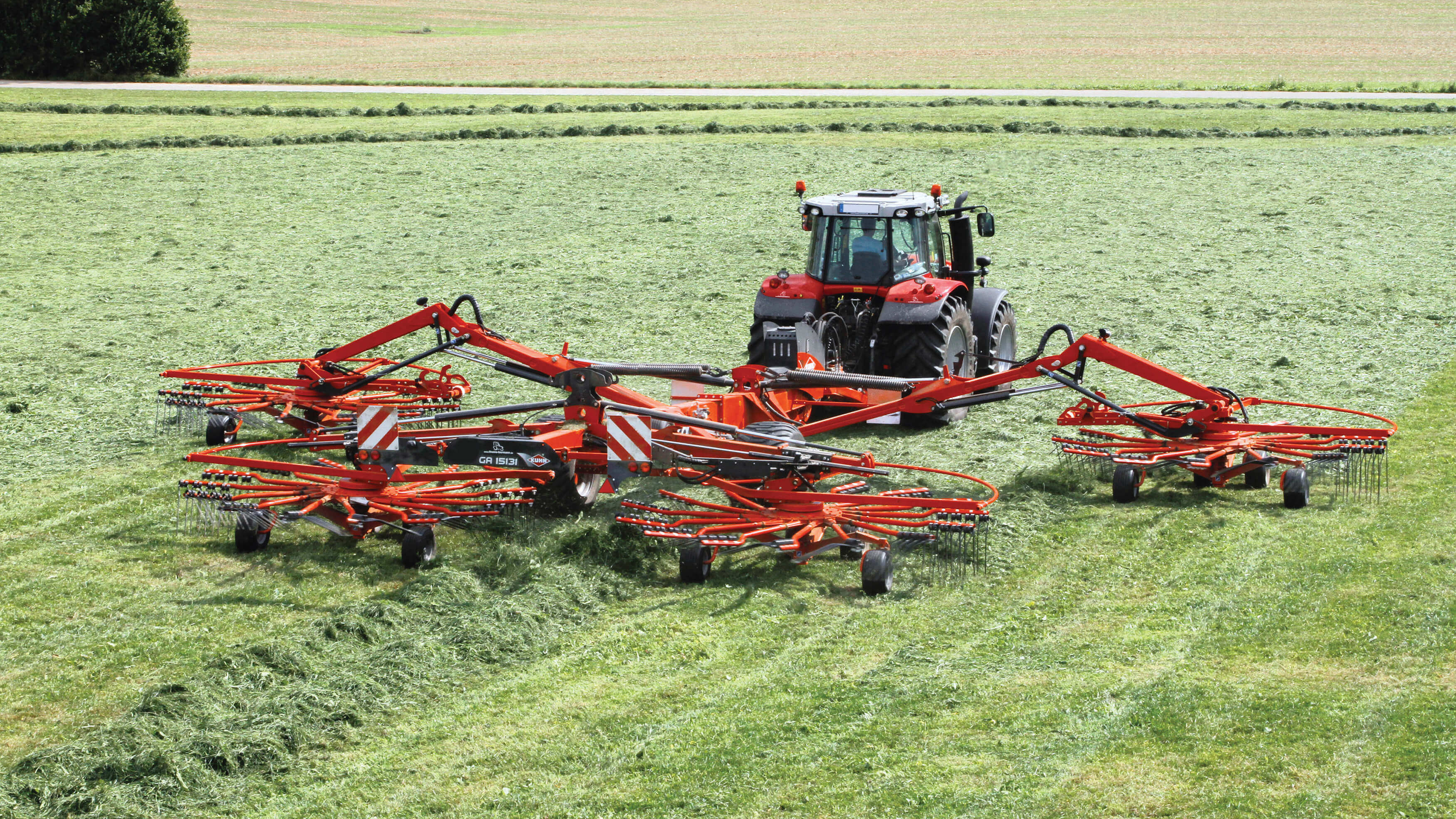
The rotary rake performs two important functions in grass processing. First, it crimps grass between rotating elements, which helps break down the waxy outer coating of grass stems that naturally resists moisture loss. This crimping action accelerates the drying process by allowing moisture to escape more readily from the plant material.
The second function involves shaking up the swathes of grass to expose more surface area to sun and air circulation. By lifting and separating grass that may have matted together, the rotary rake ensures that air can circulate freely through the cut material, promoting faster and more even drying across the entire swath.
Baler
The baler completes the forage harvesting process by gathering dried grass swathes and compressing them into convenient bales for storage and transport. This machine transforms loose forage material into dense, manageable units that preserve feed quality and simplify handling.
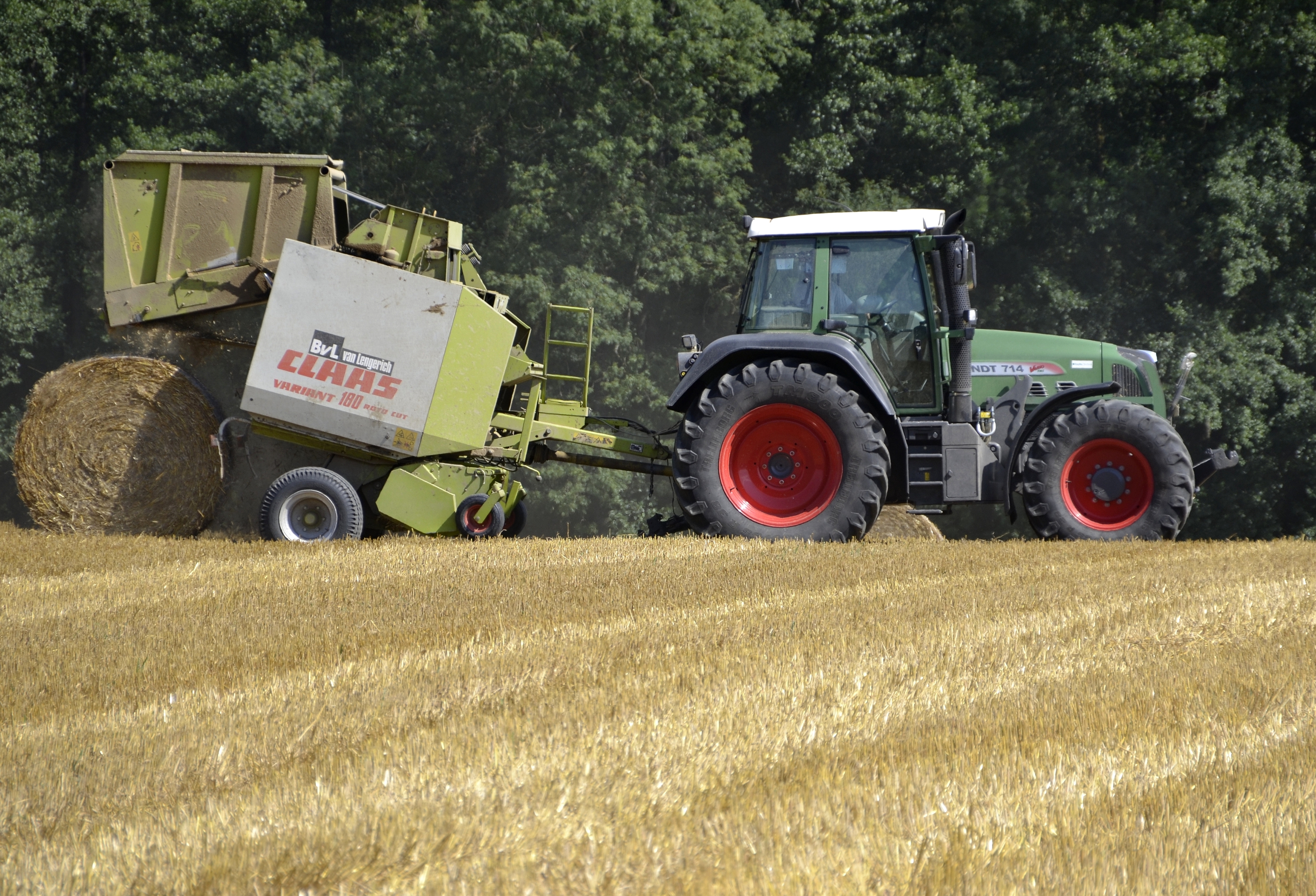
The baler systematically gathers the swathes of dried grass that have been prepared by the mower conditioner and rotary rake. The machine's gathering mechanisms collect this material and feed it into a compression chamber where it is formed into either round or square bales depending on the baler design.
The bales produced can be either round or square in shape, with both formats wrapped in protective plastic material. This plastic wrapping serves multiple important functions in forage preservation and handling.
Note
The protective wrapping shields the bales from weather damage, preventing rain from soaking into the dried forage and causing spoilage or quality loss. Additionally, the plastic wrap maintains the compressed shape of the bale and allows for easy transport using standard farming equipment.
The protective wrapping shields the bales from weather damage, preventing rain from soaking into the dried forage and causing spoilage or quality loss. Additionally, the plastic wrap maintains the compressed shape of the bale and allows for easy transport using standard farming equipment. This protection and ease of handling make baled forage much more practical for storage and feeding operations compared to loose forage material.
Summary
Key Points to Remember:
-
Soil cultivation sequence: Plough, harrow, and roller work together to prepare an ideal seedbed - ploughing buries weeds and aerates soil, harrowing breaks up clods, and rolling creates firm seed contact.
-
Combine harvester efficiency: This machine performs three vital functions in one pass - reaping cuts the crop, threshing separates grain from straw, and winnowing cleans the grain for storage.
-
Precision planting advantages: Seed drills dramatically improve germination rates by ensuring correct depth and spacing, making crop establishment more reliable than broadcasting methods.
-
Grass processing workflow: Mower conditioners cut and condition grass, rotary rakes promote faster drying, and balers create protected, transportable forage units.
-
Compaction management: Subsoilers specifically address heavily compacted soils that normal ploughs cannot penetrate, restoring proper drainage and aeration for healthy crop growth.