Art and the Environment (Leaving Cert Art): Revision Notes
📚Revision Notes
Art and the Environment
Introduction
The relationship between art and the environment has evolved dramatically over centuries, reflecting humanity's changing impact on the natural world. Artists have documented, celebrated, and critiqued our interaction with nature, from early landscape paintings to contemporary climate activism through art. Understanding this progression helps us see how artistic responses to environmental concerns have developed from simple observation to urgent calls for action.
Note
This evolution from observation to activism represents a fundamental shift in how artists engage with environmental issues - moving from passive documentation to active participation in environmental movements.
Historical context: Art and the anthropocene
Landscape art refers to the artistic study of nature as its own specific subject matter. While this might seem familiar today, it actually represents a relatively recent development in Western art, with artists only focusing seriously on the natural world from the 17th century onwards.
Important
The concept of the Anthropocene describes the geological period we currently live in, where human activities have become the dominant influence on climate and environment. Scientists recognise this as a time when our climate is no longer stable and is warming rapidly due to human influences including agriculture, industrialisation and urbanisation.
This idea reflects how humans now have a greater environmental impact than any natural processes. Art, both historical and contemporary, helps us understand what this transformation means for our world.
Dutch landscape art and human impact
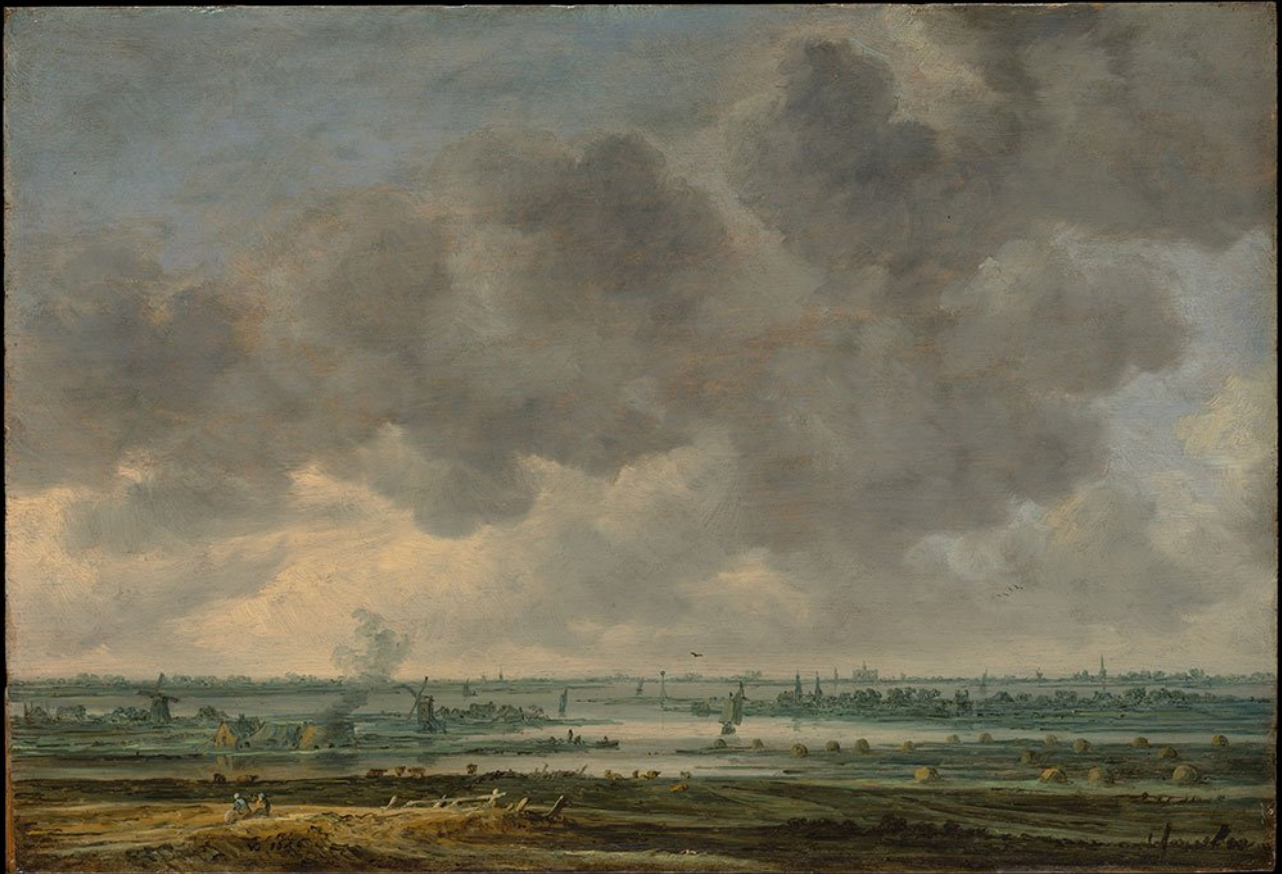
Even before large-scale industrialisation, humans had been adapting landscapes to meet their needs through land clearance and crop cultivation. Some of the earliest artistic representations of human influence on landscape can be found in Dutch art from the 17th century.
Example
Historical Example: Dutch Land Reclamation
The Dutch developed a remarkable history of land reclamation, effectively creating vast areas of their country using windmills to drain lakes and wetlands. This generated considerable national pride in the physical creation of the nation. Unlike the untouched pastoral scenes and stylised fantasies of earlier artists, these landscape paintings proudly showcased human impact on the land.
Industrial landscapes
From the late 18th century, the Industrial Revolution triggered significant social and environmental changes. Society shifted from mainly pastoral ways of living towards life and work in more industrial and urbanised environments.
Coal, particularly coking coal, served as a catalyst for the Industrial Revolution. Available cheaply and readily from northern England's coalfields, it provided efficient fuel for steam engines and crucially powered blast furnaces for iron ore smelting. The Darby family achieved particular success at Coalbrookdale in Shropshire, where ready supplies of both coal and iron ore were available.
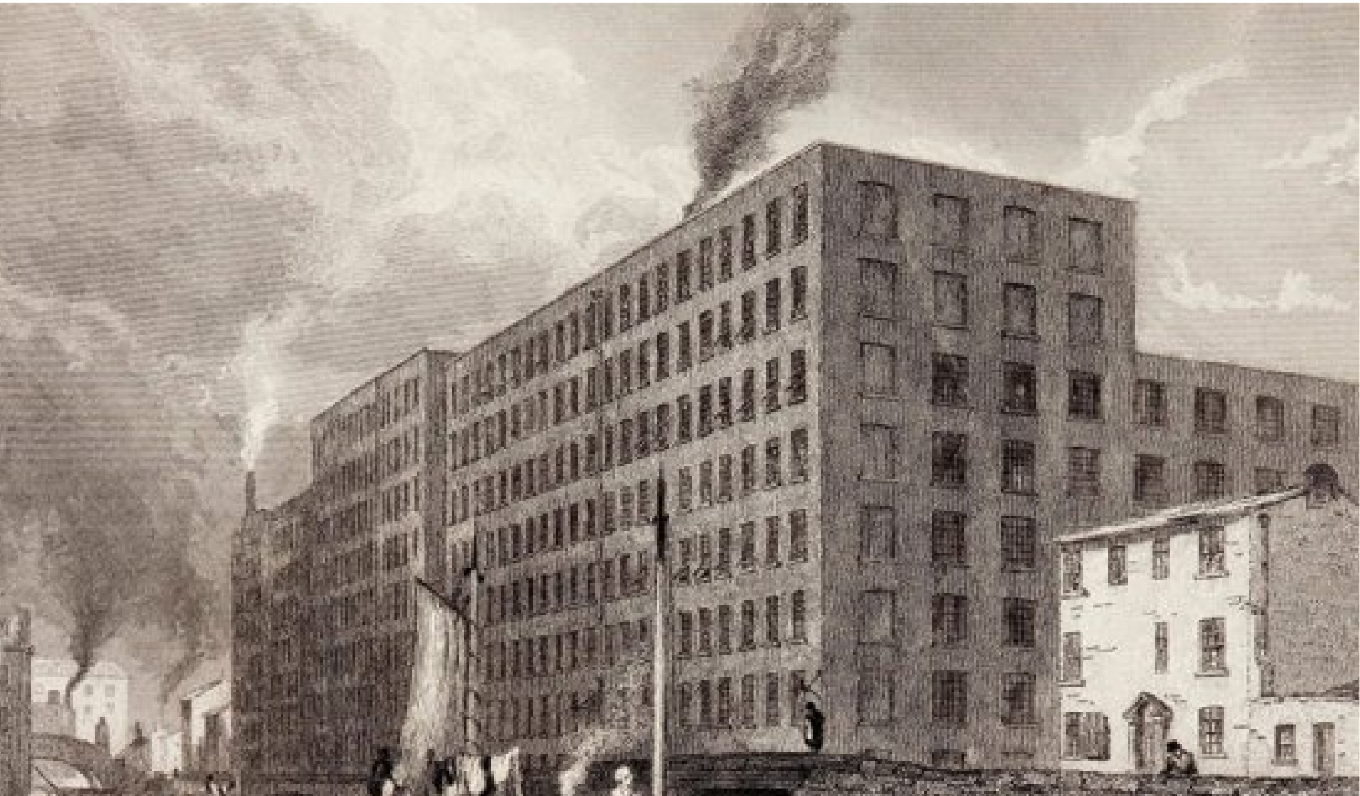
The concentration of industrial activity at locations like Coalbrookdale, situated in picturesque valleys, attracted attention from artists working from the late 18th to early 19th centuries.
Example
Artistic Example: "Coalbrookdale by Night" by Philippe-Jacques de Loutherbourg
In this powerful work, the human impact on landscape becomes immediately apparent. The valley landscape barely remains visible, with cottages and figures in the foreground dwarfed by the central focus—a magnificent blaze of fierce flame and light from blast furnaces beyond.
This painting doesn't reflect the complete reality of how ironworks would have appeared or functioned, but de Loutherbourg wasn't aiming for documentary accuracy. He captures the sense of Industrial Revolution action and transformation in progress.
Many artists felt excited and inspired by the progress and innovation during this period. Like de Loutherbourg, JMW Turner also sought to capture the excitement and spectacle of these changes. His work "Rain, Steam and Speed" shows a train racing through countryside—outpacing a nearby boat sitting peacefully in the lake. Through dramatic light and powerful movement, both artists capture feelings of energy, dynamism, and even positivity around the profound changes occurring in Britain.
Note
Some view the use of fossil fuels, especially coal, during the Industrial Revolution as marking the beginning of the Anthropocene. Through this perspective, the contrast between industry and countryside in images such as "Coalbrookdale by Night" seems symbolic of a fundamental change in the relationship between humans and environment, and our destructive impact on it.
The impact of industrialisation
While rapid industrialisation brought progress, profit and development to Britain, it also faced criticism for its destructive impact on people's lives and the environment.
James Nasmyth, visiting Dudley in 1830, described changes he observed in the area: the grass had been parched and killed by sulphurous acid vapours thrown out by chimneys, leaving skeletal remains that appeared dilapidated, black and lifeless.
A print of Manchester's skyline from 1834 demonstrates Nasmyth's jarring contrast between rural and industrial life. The foreground displays countryside motifs—sheep, farmworkers and horse riding. Our attention then moves to church and cathedral spires, before we notice the spires are outnumbered by chimneys billowing smoke, scattered across the skyline and visible to the distant horizon—symbols of heavy industry now dominating the sprawling city.
Important
Concerns also developed for the health and wellbeing of workers who migrated to industrial areas during this time. Working-class communities faced overcrowded and unsanitary living conditions, along with back-breaking, often dangerous labour in forges and factories. There were worries that industrialism was blurring the distinction between people and machinery.
As the Industrial Revolution progressed, some artists and writers became concerned about its impact on environment and society, particularly the detachment of workers from their humanity.
Example
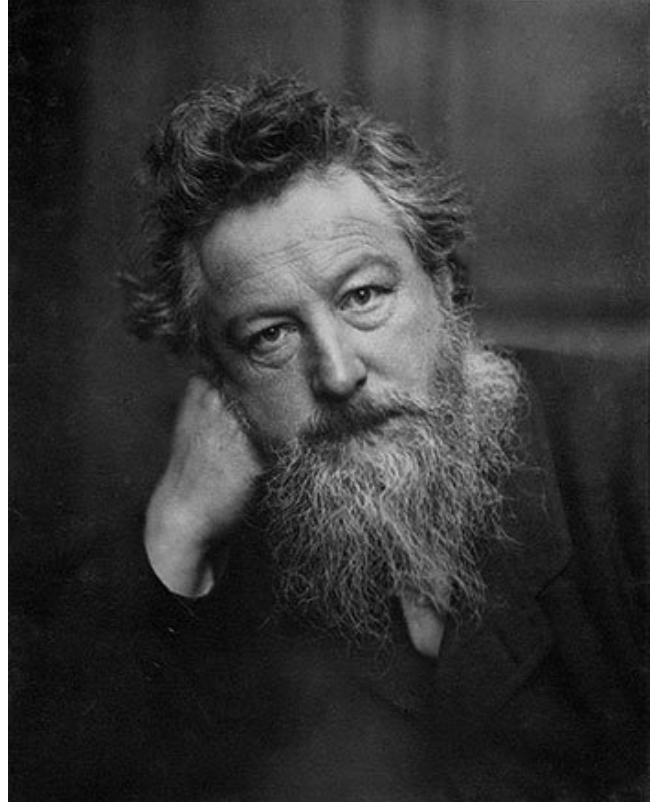
Social Reformer Example: William Morris (1834–1896)
Now famous for his rich floral textile designs, Morris was not only a designer with aesthetic interests in nature, but also a social campaigner passionate about humanity's relationship with the environment. He criticised environmental pollution and social injustices that arose from the Industrial Revolution, drawing connections between poor quality of life endured by working people and alienation from the natural world.
Morris's designs and company philosophy have been described as artistic protest against the industrialism of his time. His ideas connect in some ways with our contemporary concepts of sustainability. He believed people should have greater control over their work, rather than simply being components in an industrial manufacturing system that exploited the natural environment.
During this period, art was also being used to inform and share images of nature with urban populations. A striking example includes paired paintings of ash trees—one set in winter, another in summer—by James Hey Davies (1844–1930). These were displayed in Manchester to introduce ideas of countryside and seasons to residents accustomed to densely crowded and polluted city environments, with very limited opportunities to experience nature.
Contemporary perspectives
With growing awareness of our impact on the environment, contemporary artists have been responding to the notion of the Anthropocene and our relationship with the natural world.
Example
Contemporary Art Example: "Ice Watch" by Olafur Eliasson and Minik Rosing (2018)
This powerful installation comprised 24 blocks of ice outside the Tate Modern in London. Each block had broken off from the Greenland ice sheet and was transported to London. Eliasson and Rosing were utilising the landscape to create art, with the transport for each block producing the same carbon footprint as a person flying to witness the ice melting directly.
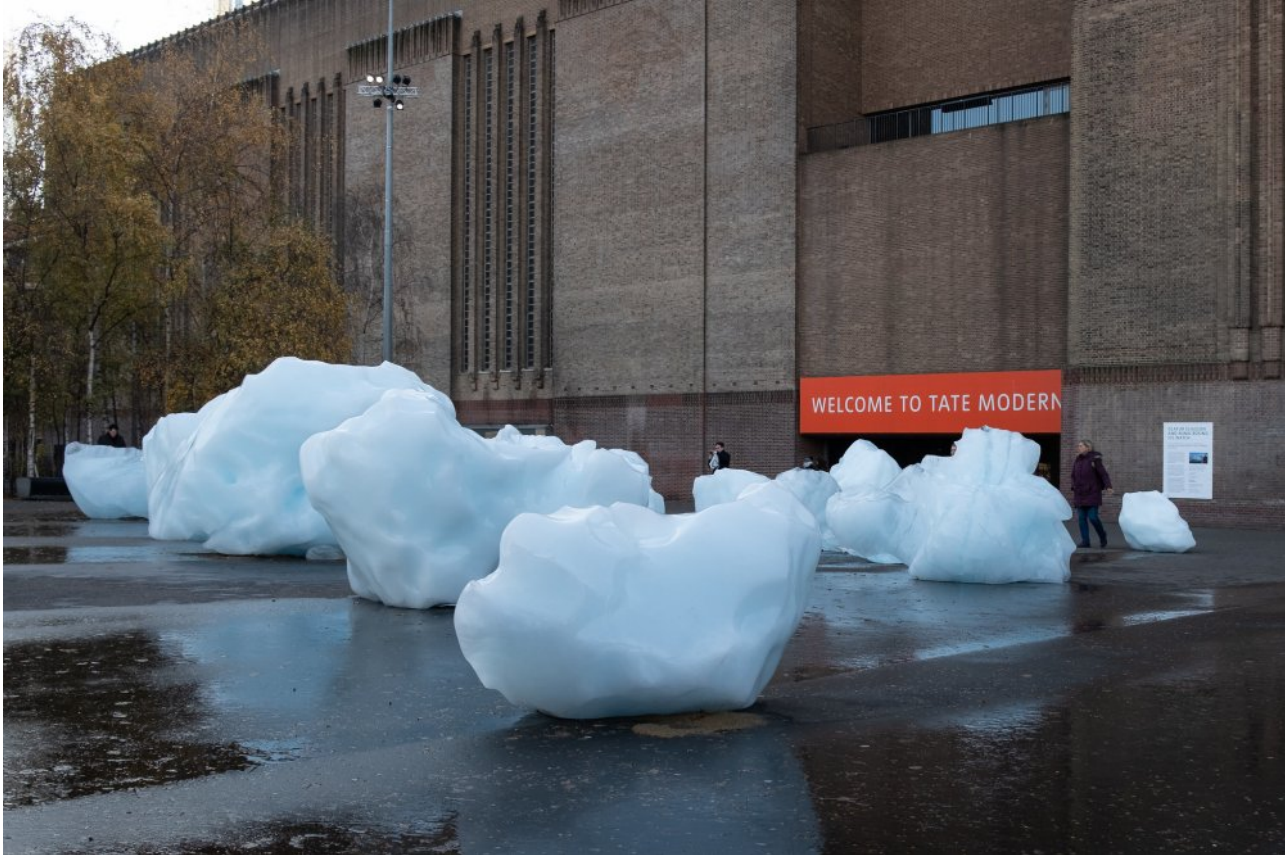
Visitors were encouraged to touch and feel the ice, forming a more tangible connection with the environment—especially something so alien and distant for most of us as an ice sheet. Audiences described how quickly the ice blocks were dissolving, yet these fragments had been created over tens of thousands of years.
This contrast between their age and their frighteningly fast melting rate served as a simple and direct reminder, in the heart of London, of the impact of our mounting climate crisis. Thinking about the paintings and prints discussed above, we can also observe a contrast across art history between the intense heat and fossil-fuelled action of "Coalbrookdale by Night," and the coldness and stillness of the ice blocks—victims of humanity's coal-powered progress.
New landscapes
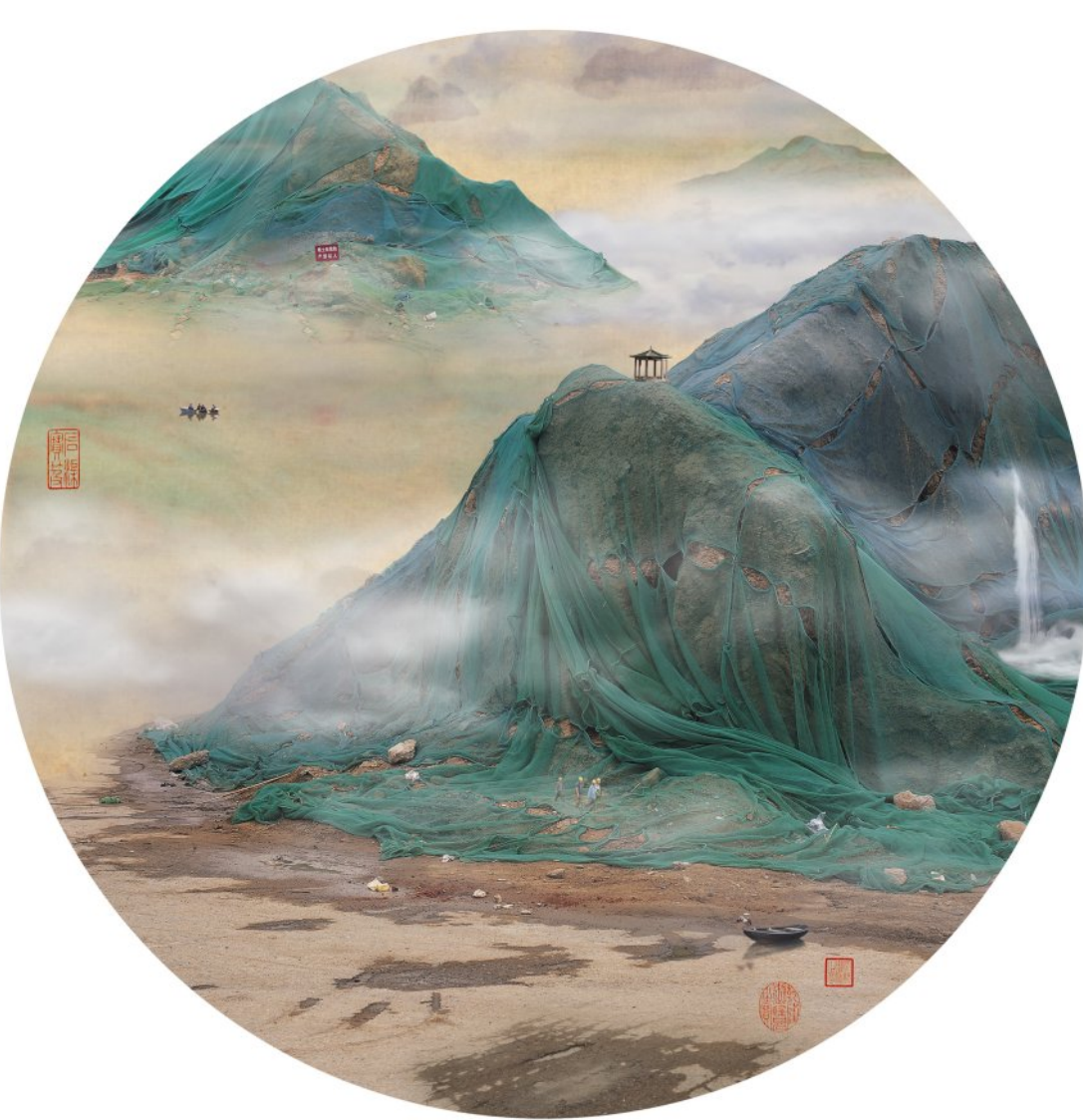
Chinese artist Yao Lu's photographs from his 2009 "New Landscapes" series may initially give a serene view of his homeland. His work draws on China's landscape painting tradition, where scenes of mountains, rivers and waterfalls convey ideas of harmony and beauty within nature. Take a closer look at Yao Lu's work, however, and you'll discover the reality is very different from the peaceful scenes of traditional masters.
Example
Contemporary Critique Example: Yao Lu's "New Landscapes" Series
The artist subverts traditional motifs by using scenes from construction sites and polluted land, expressing his concern at the pace of China's urbanisation and environmental change. The 'mountains' depicted are actually heaps of rubble, verdant grass is revealed as miles of green plastic netting. Even the traditional stone walls and wooden buildings clash against concrete rubble from contemporary construction.
In Yao Lu's photo-collages, a Chinese tradition which celebrates and harmonises with nature collides uncomfortably with modern China's destructive development.
Art for the environment
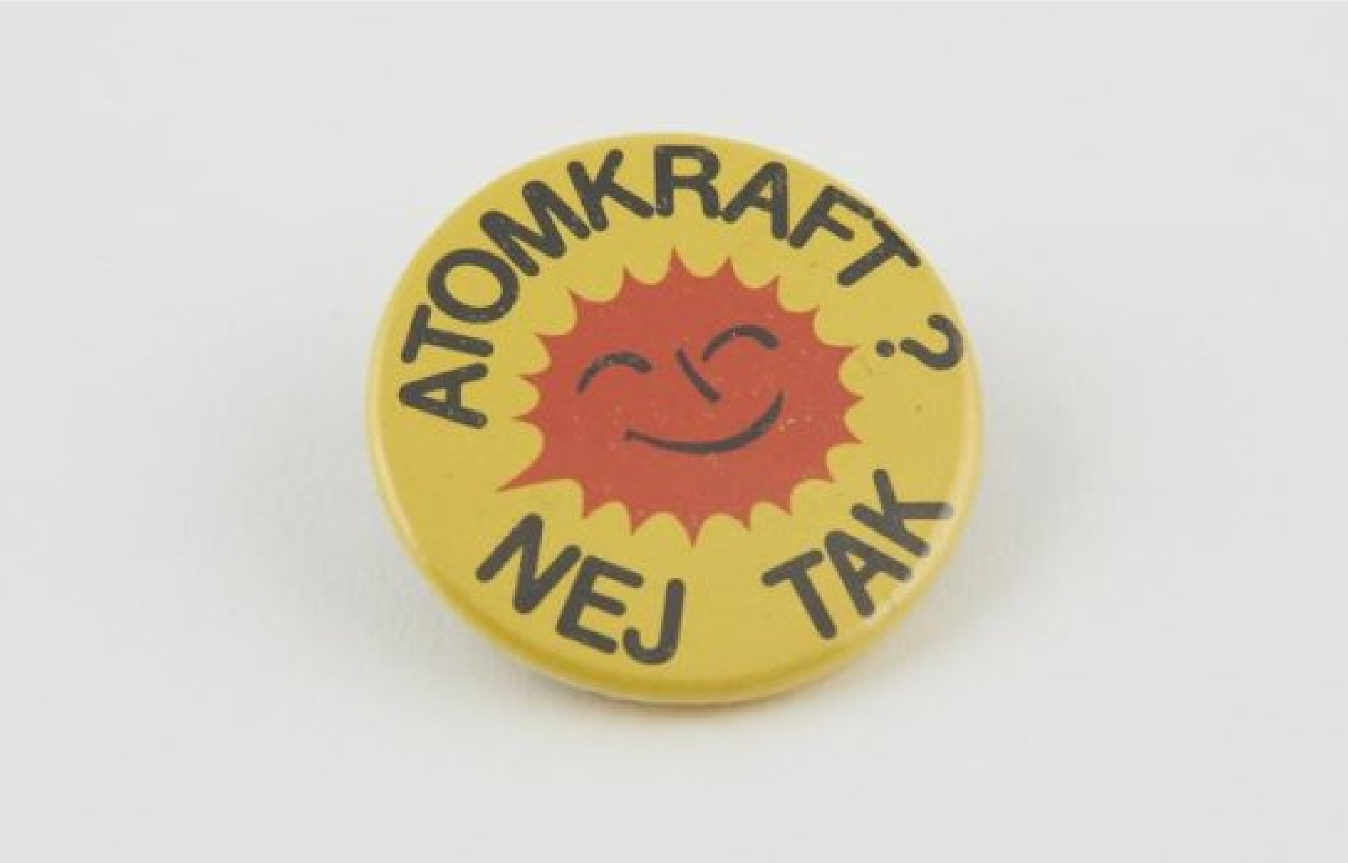
Climate change's complexity as an issue has not dissuaded people from taking action. In recent years, young artists have been creating protest art about the environment.
In 2019, thousands of young people across the world walked out of school, college, or university on youth strikes for the climate. Far from just documenting and observing the world around them, protester-artists used placards with drawings, designs and writing to draw attention to environmental crisis. Their messages reflect the feeling that today's adults aren't doing enough to safeguard the planet for the future.
Important
Differently from artists before, young protestors are unambiguously and directly asking grown-ups to stop contemplating climate change and start taking action. These placard artworks are no longer simply about the environment—they are working to save it.
Summary
Key Points to Remember:
- Landscape art developed in the 17th century as artists began focusing on nature as a specific subject matter
- The Anthropocene describes our current geological period where human activities have the dominant environmental impact
- Industrial Revolution art shows both excitement about progress and concern about environmental destruction
- William Morris connected poor working conditions with alienation from nature, advocating for sustainability
- Contemporary environmental art like Eliasson's "Ice Watch" creates direct physical connections with climate change
- Modern artists like Yao Lu critique rapid development by subverting traditional landscape imagery to reveal environmental destruction