Theory and Thinking (Leaving Cert Art): Revision Notes
📚Revision Notes
Theory and Thinking
Introduction to contemporary art practice
Professional art practice today takes many different forms. Creators of fine art can be involved in an enormous range of ideas and media. Artists continue to work in traditional media like painting and sculpture, but the range of materials used has expanded significantly in the 20th and 21st centuries.
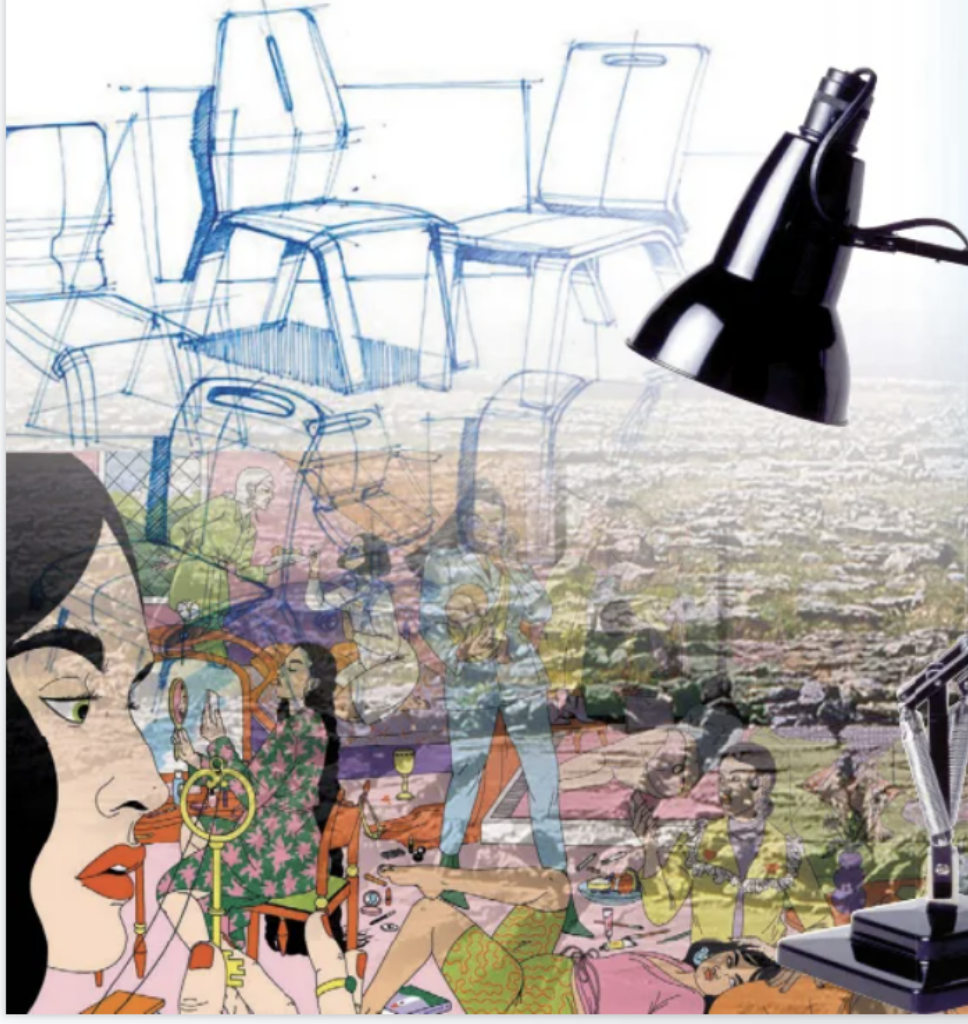
In early times, artists worked with materials they found in their environment, such as wood, stone and earth colours. In some remote parts of the world, people still work in this way. As society became more sophisticated, so did art media, processes and practices.
Note
The evolution from natural, locally-sourced materials to the vast array of contemporary art media reflects broader changes in technology, globalisation, and artistic philosophy. This transformation parallels society's own development from simple, resource-based communities to complex, interconnected global cultures.
In ancient Greek and Roman culture, artists were considered essential members of society with a critical function - making beautiful objects and memorials for important citizens. Through the Middle Ages and into relatively modern times, artists and craftworkers went through an apprenticeship system, often spending many years learning the techniques of the trade and working with a master before they qualified to work for themselves.
In the 18th century, Academies began to take over from the apprenticeship system. Artists learned their craft and had to reach certain standards before qualifying to practise on their own. The Academies had annual exhibitions where a committee selected work they considered to be of high enough standard to go on public display.
The contemporary artist
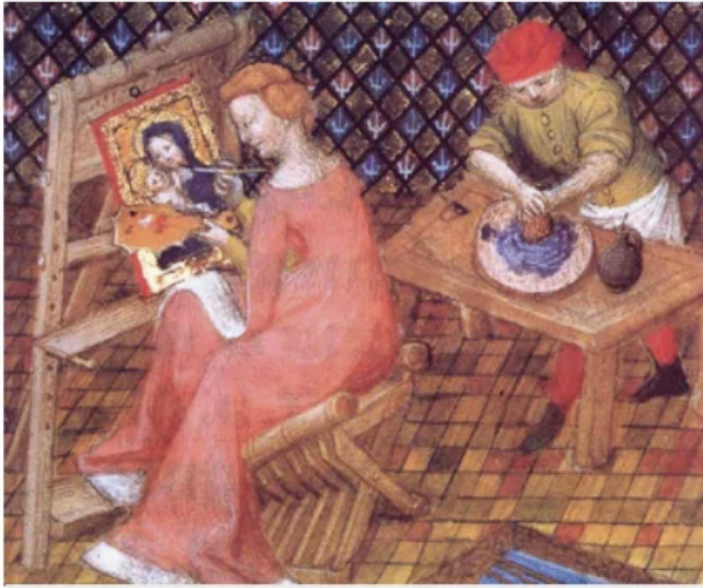
In contemporary art, artists and designers are not limited by choice of media or the disciplines of a craft or skill. Artists challenged all the conventions of art that had been accepted for 500 years. The artist's role in society changed from being a service provider - producing paintings, sculptures and designs for people and society to enjoy - to challenging aspects of society and conventions.
Important
This fundamental shift represents one of the most significant changes in art history. Contemporary artists moved from serving established tastes and expectations to questioning, critiquing, and reimagining the very foundations of art and society.
That does not mean that all artists have abandoned skills-based work. Many artists still enjoy the disciplines of drawing or the technical challenge of difficult techniques; they are just no longer seen as an essential part of a work of art.
The whole range of media has increased in the last century; photography, film sound and video, as well as performance and installation, are now all considered to be mainstream media for the artist to use.
Identity and self-expression
An artist's identity almost always comes through in their work, if they are truly involved in the process. We can understand a lot about an artist like Vincent van Gogh just by observing the colours and brushwork he uses.
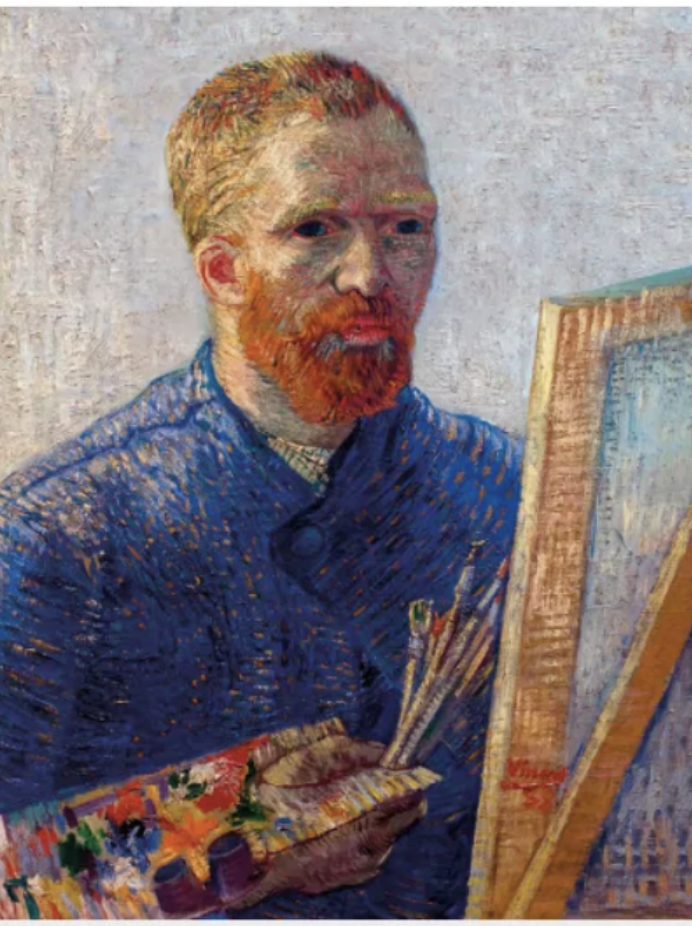
His subjects are often simple landscapes, but it is the way that he paints these subjects that expresses his personality. His self-portraits give a further insight into his emotional state. An artist's political and religious beliefs, as well as their views on society and their personal history, are often expressed through their work.
Note
Van Gogh's distinctive style - with its bold colours, dynamic brushstrokes, and emotional intensity - demonstrates how technical choices become a form of personal language. Every artistic decision, from colour selection to brushwork, becomes a means of communication that reveals the artist's inner world.
In modern art this can be the primary reason for an artist to make a work of art - to express themselves or their thinking and feeling about issues that are important to them. Earlier in art history the artist was not allowed such freedom of expression; however personality and character often show through in their work.
Modern artists using conventional techniques
Some Irish artists still work in a broadly traditional way. These include Anna Madden, Rowan Gillespie and Michael Quane. Irish sculptor Kara Walker produces cast sculpture that challenges traditional art values.
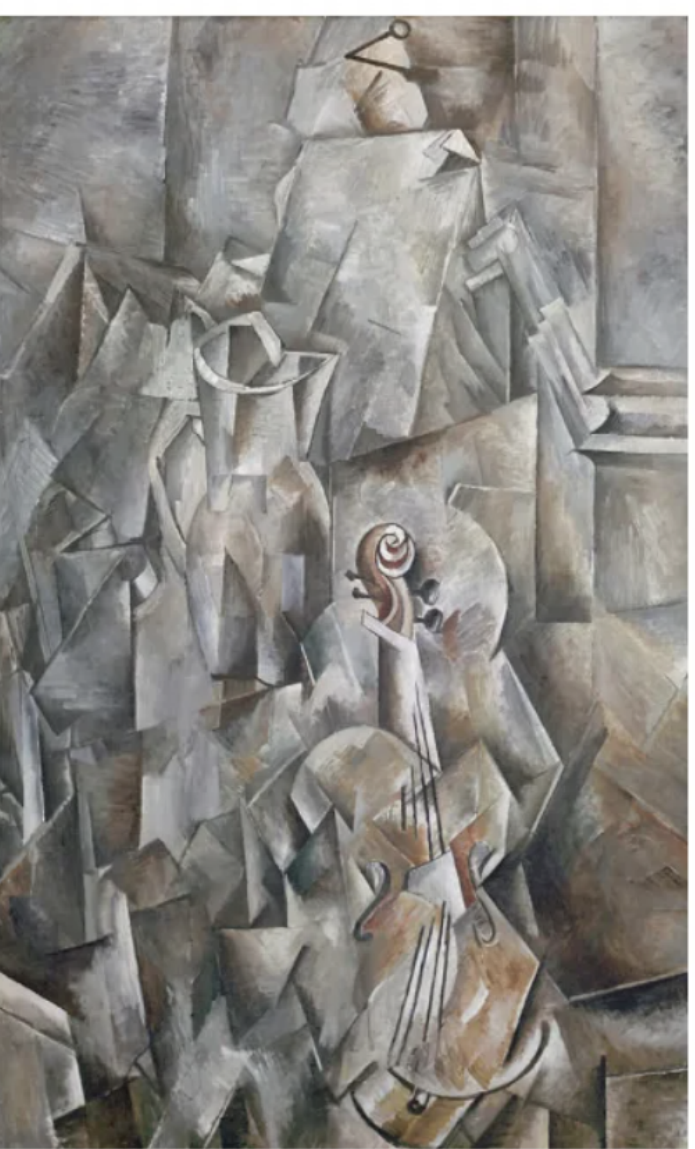
Sculptors working in a traditional art practice include Rowan Gillespie and Michael Quane who create works that use traditional techniques to make modern paintings.
Note
These artists demonstrate that traditional techniques remain relevant in contemporary practice. They show how mastery of conventional skills can be combined with modern ideas and perspectives to create meaningful contemporary work.
Art outside the gallery
Many artists feel that exhibiting their work only in galleries limits what they can do and who will see their work. Environmental artists, performance artists and street artists sometimes put their art in public places to get a wider audience.
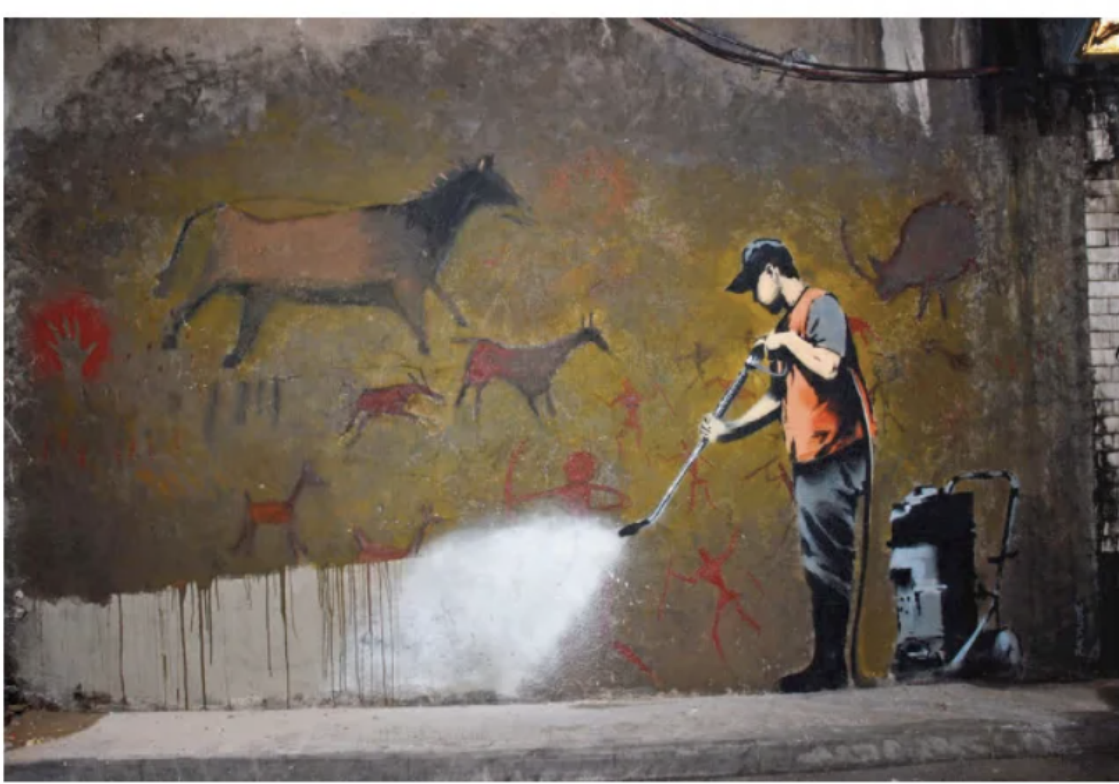
This is also done to argue against the idea that art is important only because it has monetary value and can be owned by private individuals in the hope that its value will increase and result in a profit.
The anonymous street artist Banksy creates work that is often confrontational, asking questions about social values and the meaning of art.
Important
Public art and street art challenge traditional notions of art ownership, accessibility, and value. By placing art in public spaces, artists democratise access to art and question whether art should be a commodity available only to those who can afford it.
Art prices
Traditionally art has been bought and sold by dealers and collectors with some artists' work getting enormous prices and others not so much. To some people this is what art collecting and appreciation is about - the price of the work is its value. To others the value of art is not about price but its aesthetic qualities or the response it creates in the viewer.
Once the notion that an idea could be art took hold, it challenged the traditional foundations of art, where artistic skills and precious objects were at the centre of the art market. Conceptual Art allows anything to be considered art and many artists today feel free to switch from one medium to another, choosing the form and materials, for each occasion, which will express their ideas best.
Important
The tension between artistic and monetary value remains one of the most debated aspects of the contemporary art world. This fundamental disagreement about what gives art its worth continues to shape how art is created, displayed, and valued in society.
Conceptual art
Conceptual Art had its beginnings in Dadaism, where the art idea was seen as more important than the art object. In the 1960s a movement towards the art concept began in several parts of the world at the same time.
An Australian artist Sol LeWitt wrote an article in 1967 for the important art magazine, Artforum, stating that the ideas and planning in preparation for making a work of art were the real art, not the object that resulted from the plan. The article was entitled 'Paragraphs on Conceptual Art', which gave the movement its name.
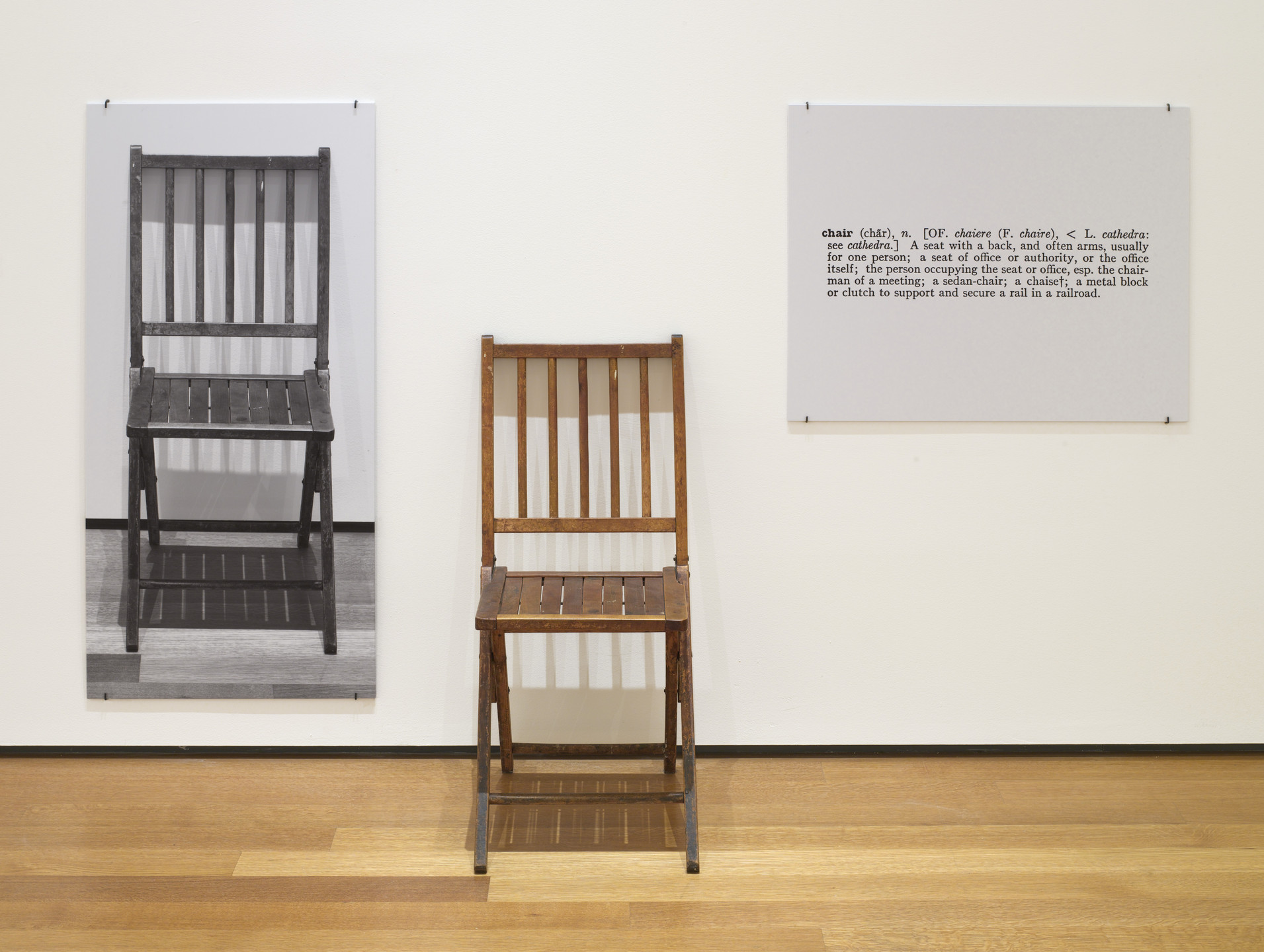
Joseph Kosuth's "One and Three Chairs" showed a chair in three different ways. An ordinary chair, a photograph of a chair and a dictionary definition of a chair. He felt the meaning 'chair' could be shown equally well by an object, a photograph and words.
Important
Conceptual Art represents a revolutionary shift in thinking about what art can be. By prioritising the idea over the physical object, it opened up infinite possibilities for artistic expression and challenged centuries of assumptions about art-making and art ownership.
Architecture
The discipline of architecture is the art, science and business of building. An architect has knowledge of the aesthetic and technical aspects of building in the public and private sectors.
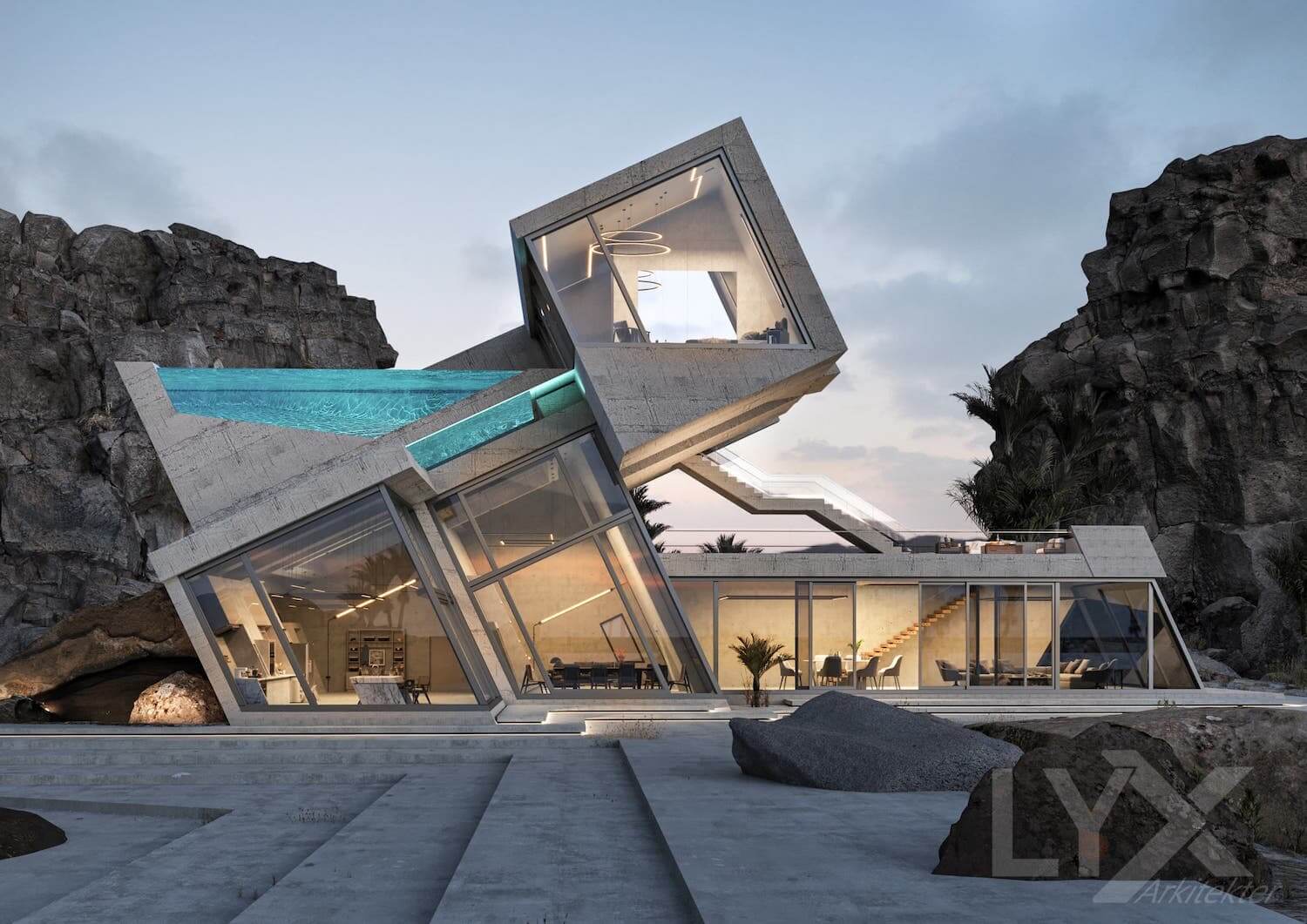
Architects design a whole range of things, including homes, office blocks, schools, churches, theatres and museums, sports stadiums, bridges and urban spaces. They need to be aware of social trends, understand the law and engineering principles, and have a good business sense.
Key architectural principles
Form is the visible shape and make of something. In architecture, shapes can be based on simple geometry. The circle is the basis for spheres and cylinders. The triangle creates cones and pyramids. Squares create cubes. Architecture is created from these basic forms.
Function is a basic part of architectural design. The building must work for the client, keeping people warm and dry, and creating the spaces for work, rest or play that are needed. The phrase 'form follows function' was the guiding principle for architects and designers in the 20th century.
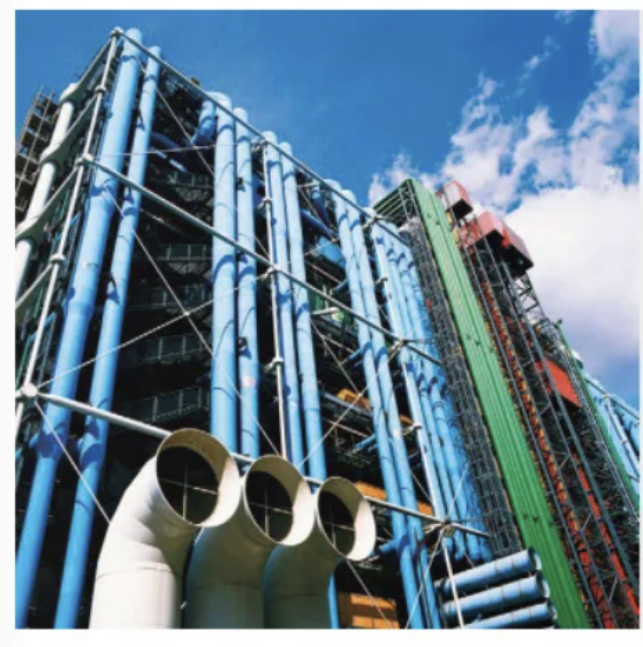
This puts the purpose of the building first before any decoration or aesthetic ideas. Postmodernist architects have moved away from this rigid principle and, in this view, you will see more stylish and dramatic buildings in the 21st century.
Note
The relationship between form and function remains central to architectural debate. While modernist architects emphasised function over decoration, postmodernist approaches have reintroduced aesthetic considerations, leading to more varied and expressive contemporary architecture.
Designers
Product designers
These are the people who design everyday objects from cars and furniture to home and work equipment. Since the beginning of the Industrial Revolution, designers have been involved in improving the look and function of man-made objects.
To design a useful and stylish object, the following four points must be kept in mind:
Important
Essential Principles of Good Product Design:
- A product should suit the needs of the people it was made for
- A product should function properly and efficiently
- A product should be made of suitable materials
- A product should look good in shape, colour and texture (it should be aesthetically pleasing)
These principles ensure that design serves both practical and aesthetic purposes, creating objects that are both useful and beautiful.
Graphic designers
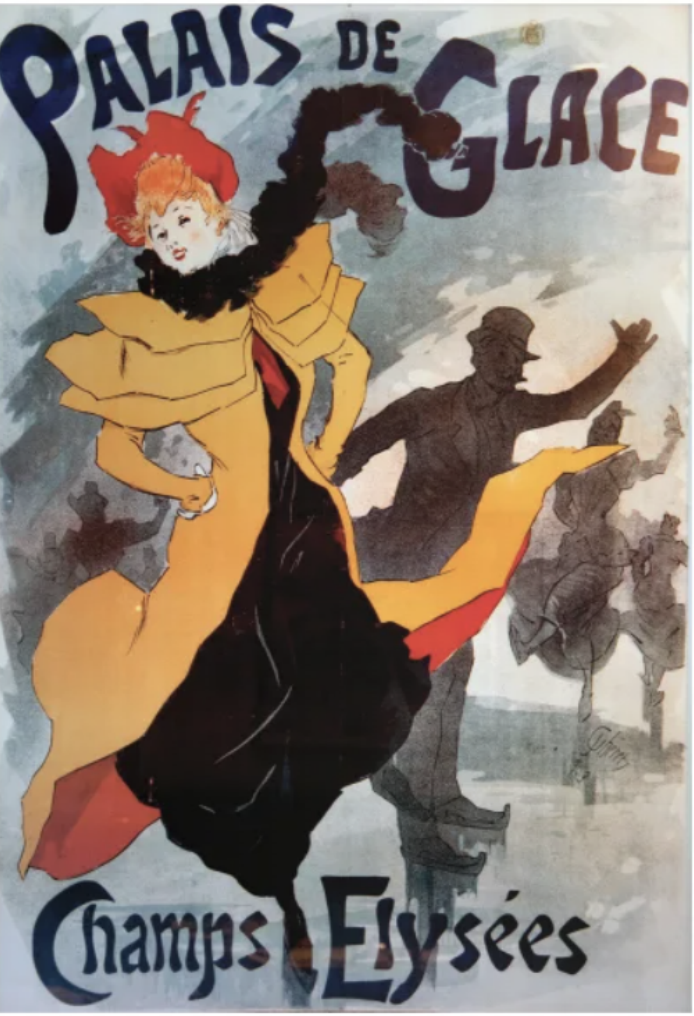
Graphic design is the art of visual communication through typography, images, colour and space. The designer can work in a broad area, from advertising and company identity/branding, to design for print (books and magazines, etc.), posters, billboards, website graphics and art posters and prints.
The design brief
This is a document developed between the client and the designer and may include objectives and goals, target audience information, budget and schedule, available materials, and overall design preferences.
Modern designers will work out rough ideas in a sketch book, progressing the design to a stage where they begin to try out some of the designs on computer.
Note
The design brief serves as a crucial communication tool that ensures both client and designer have a shared understanding of the project goals, constraints, and expectations. This collaborative approach helps prevent misunderstandings and ensures the final design meets the client's needs.
Photography and film
Photography
Fine art photography is different from just capturing an image in an artistic way. The artist uses photography as a medium to express an idea, an emotion or an artistic intention.
Photographs can be analysed in the same way as paintings or other forms of art; the art elements and design principles apply in the same way.
Film
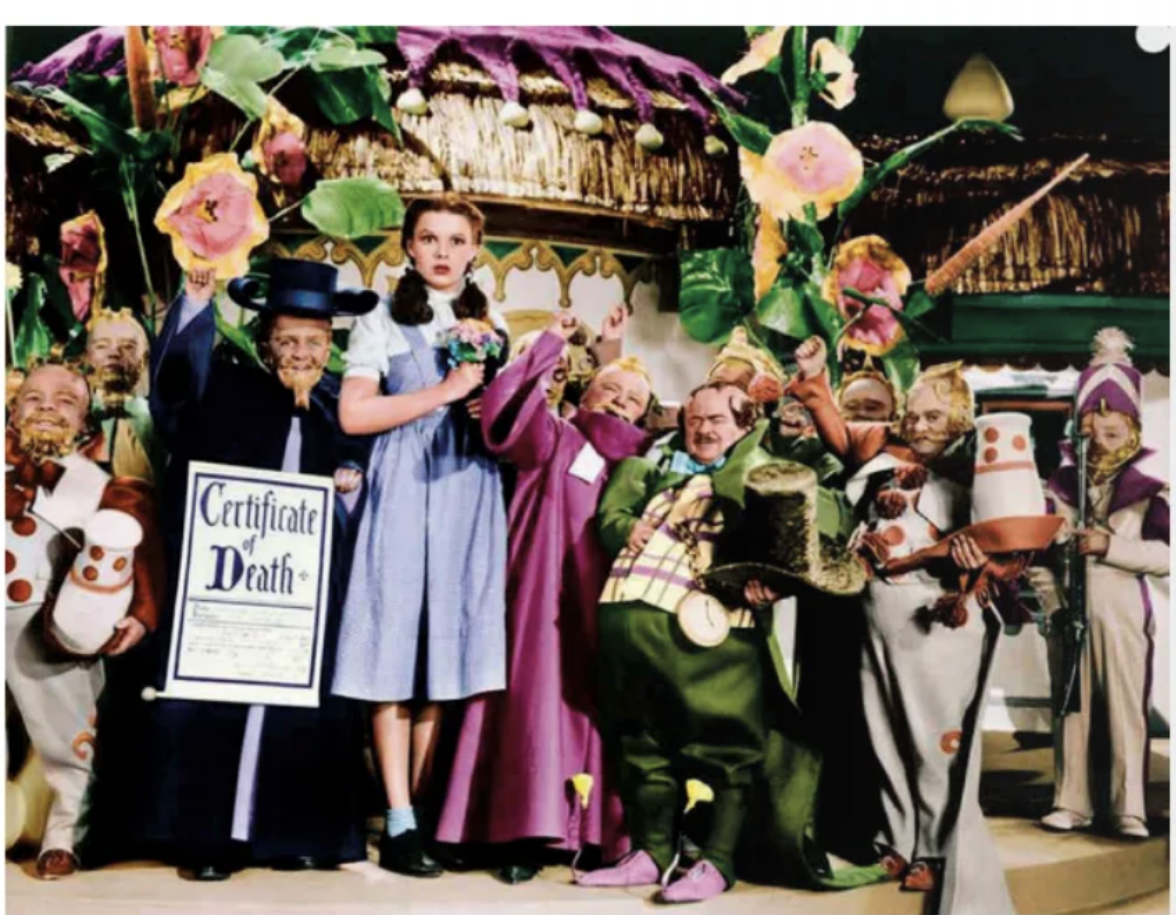
Some commentators may think that film is the most powerful art medium. The combination of sound with moving images makes it a very complete artistic experience. Film is also readily available; you can see it on your TV, on DVD, downloaded from the internet onto any device, or you can get the fuller experience in your local cinema.
The first moving films were made by the Lumière brothers in the 1890s, lasting only a minute or so. By the 1920s, they were about 15 minutes long and were becoming a popular entertainment, shown in theatres between acts.
Camera techniques
Camera angle can have a dramatic effect on a scene. A low-angle shot can make the characters in a scene look dominant or threatening. A high-angle shot can put the viewer in a controlling position, where they may feel sympathy for the characters in the scene.
Flat or eye-level shots are often used to record conversations or confrontations where the viewer is eye-to-eye with the actors.
Different shot types include:
- Pan shot: camera moves horizontally from a fixed position
- Tracking or dolly shot: camera follows the action
- Zoom: allows the camera user to change from wide-angle view to close-up without moving the camera
Note
Camera techniques are fundamental tools for storytelling in film. The choice of angle, movement, and shot type directly influences how the audience experiences and emotionally responds to the narrative, making technical decisions integral to artistic expression.
Analysis of art and design
The practice and function of art and design have completely changed in what is now known as the information age. Many large 21st-century industries are based on information and ideas rather than physical products. In the same way, art has responded to change as it always does, by exploring the boundaries of what is possible with new technologies and ideas.
Genre is a word used in all the arts to describe the subject, category or style of a work. Action, drama, comedy, fantasy and horror would be examples of film genres.
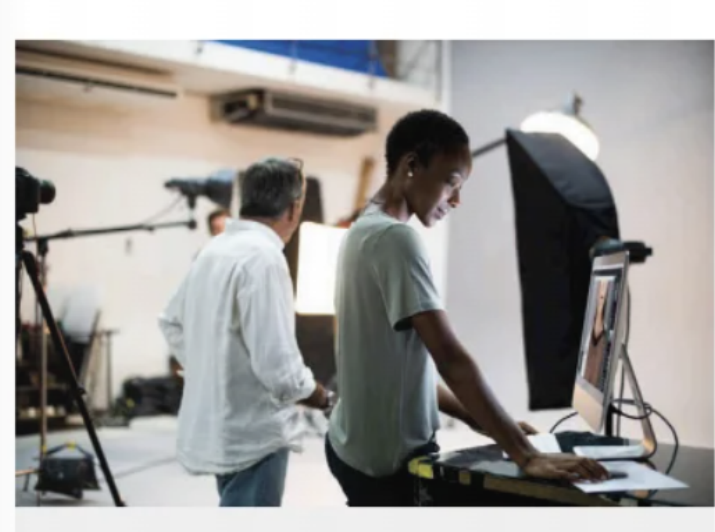
Modern film-making involves hundreds of people in a production, from studio bosses through all the layers of production and technical experts to actors and extras. The scale of the production usually determines the number of staff and the levels of specialty involved.
Note
The shift to an information-based economy has fundamentally transformed creative industries. Just as businesses now trade in ideas and data rather than solely physical goods, contemporary art increasingly values concepts, experiences, and digital expressions alongside traditional material artworks.
Summary
Key Points to Remember:
- Contemporary artists are not limited by traditional media or techniques - they can use any materials to express their ideas
- Identity and self-expression are central to modern art practice, with artists using their work to communicate personal views and emotions
- Conceptual Art prioritises the idea behind the artwork over the physical object itself
- Design principles focus on function, suitability, efficiency and aesthetic appeal working together
- Film and photography can be analysed using the same art elements and principles as traditional visual arts