Louis le Brocquy (Leaving Cert Art): Revision Notes
📚Revision Notes
Louis le Brocquy
Biography and background
Louis le Brocquy (1916-2012) was one of Ireland's most celebrated painters, born and raised in Dublin. What makes his story particularly inspiring for art students is that he was largely self-taught, proving that artistic talent and dedication can flourish without formal training. Le Brocquy enjoyed an impressive seventy-year career that spanned most of the 20th century and into the 21st.
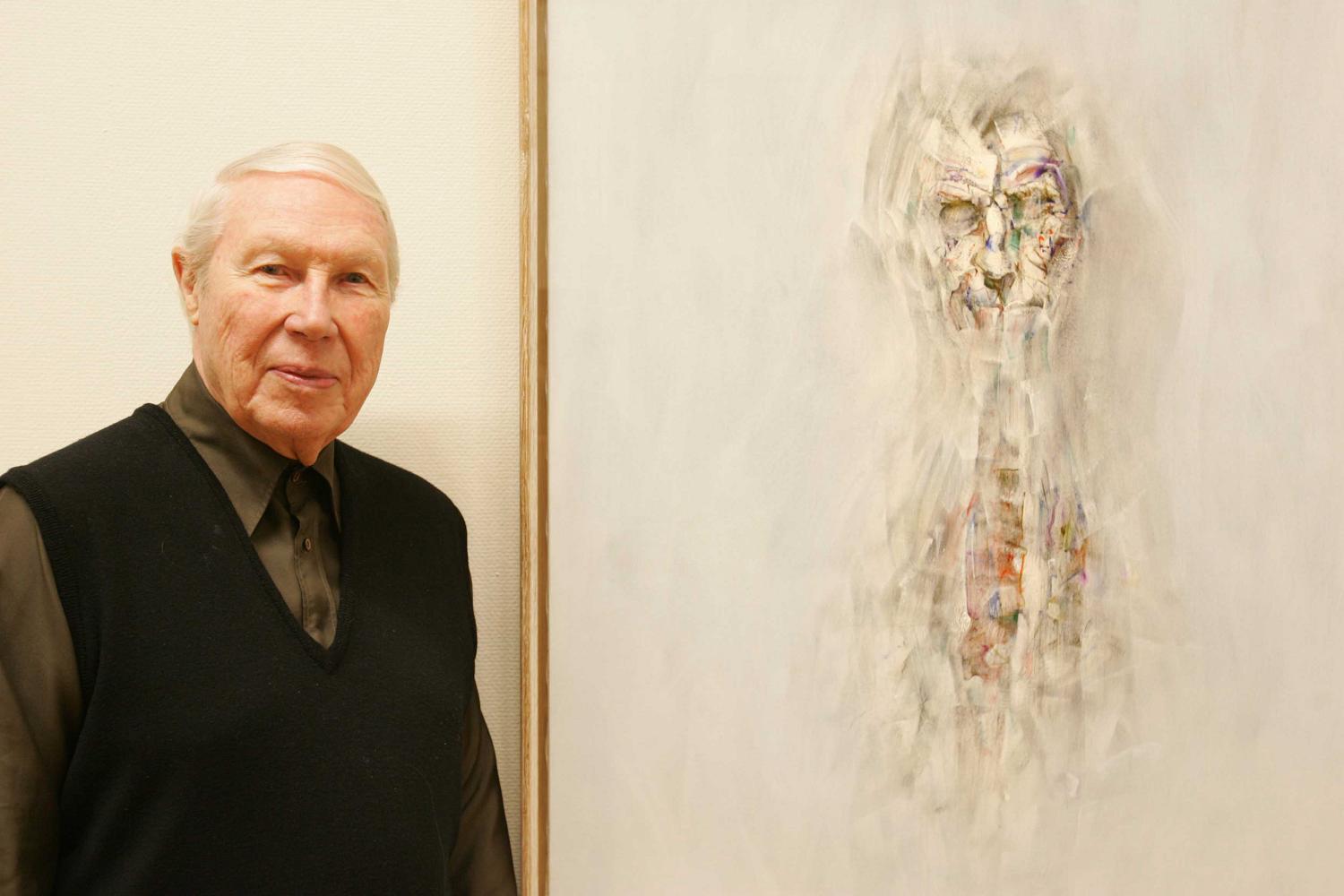
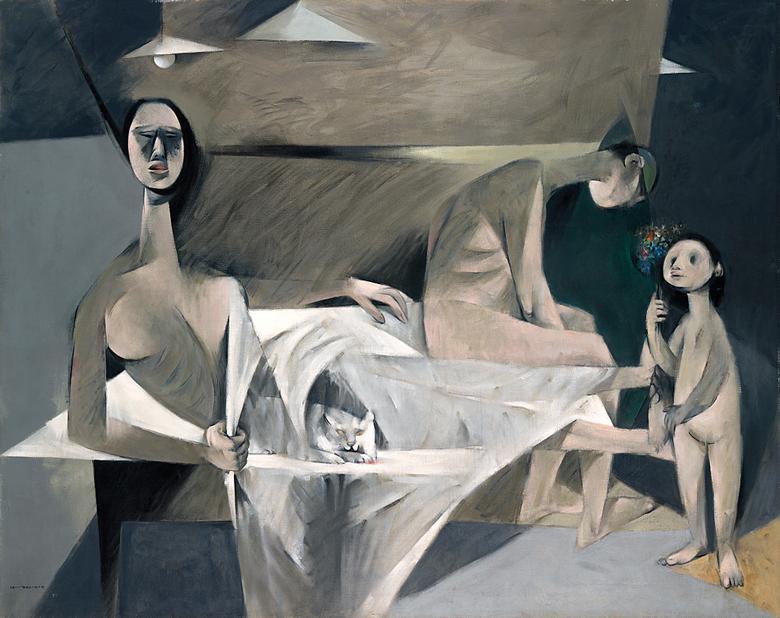
The artist came from an artistic family - his sister Melanie le Brocquy was a sculptor. After studying chemistry at Trinity College Dublin, le Brocquy chose to pursue his passion for art instead. In 1956, he achieved international recognition when he represented Ireland at the prestigious Venice Biennale, where he won the Premio Acquisito Internazionale with his painting "A Family".
Important
This achievement at the Venice Biennale marked a turning point in le Brocquy's career and placed him on the global art stage, establishing Ireland's presence in the international contemporary art world.
Artistic style and development
Le Brocquy's artistic journey can be understood through several distinct phases that evolved throughout his career. His work demonstrates a masterful ability to blend traditional Irish themes with modern artistic techniques, creating a unique visual language that spoke to both national identity and universal human experience.
The "tinker" subjects and grey period
Early in his career, le Brocquy became fascinated with Ireland's travelling community, then known as "tinkers". These works, along with his grey period "Family" paintings, established his reputation in the art world. The paintings from this period are characterised by their muted colour palette and compassionate portrayal of marginalised communities. His masterpiece "A Family" exemplifies this period and demonstrates his ability to capture human dignity and emotion through simplified, yet powerful forms.
Note
The term "tinkers" was commonly used in le Brocquy's era to refer to Ireland's travelling community. His sensitive portrayal of these often marginalised people showed his commitment to social awareness through art.
Portrait heads series
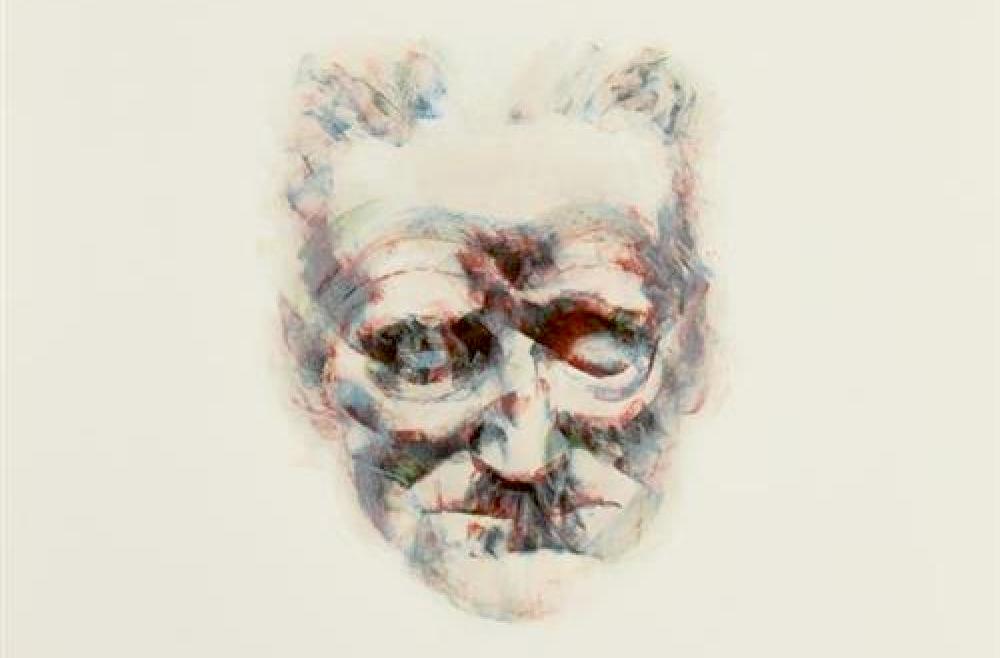
Le Brocquy became internationally renowned for his distinctive "Portrait Heads" - abstract interpretations of famous literary figures and fellow artists. These works featured prominent Irish and international cultural figures including William Butler Yeats, James Joyce, Samuel Beckett, Francis Bacon, and Seamus Heaney. Rather than creating traditional realistic portraits, le Brocquy developed a unique approach that captured the essence and intellectual spirit of his subjects through gestural brushwork and symbolic imagery.
Major works and series
The Táin illustrations
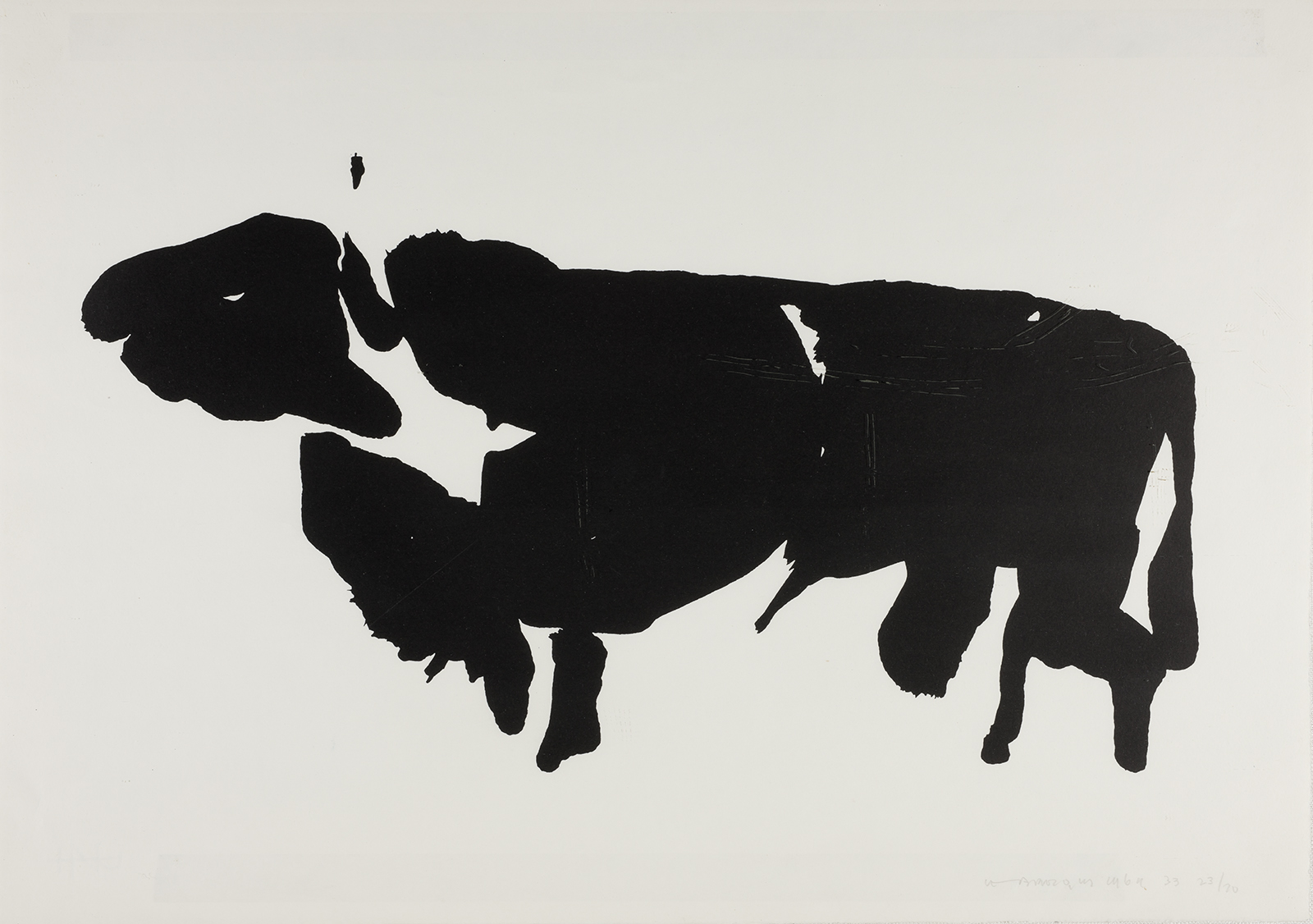
Perhaps le Brocquy's most famous and culturally significant work was his illustration of Thomas Kinsella's 1969 translation of the ancient Irish epic "Táin Bó Cúailnge" (The Cattle Raid of Cooley). These illustrations represent a perfect fusion of ancient Celtic mythology with contemporary artistic expression.
Important
The Táin series showcases le Brocquy's ability to work with themes of Irish mythology and legend, demonstrating how ancient stories can be given new life through modern artistic interpretation.
The illustrations feature dynamic silhouetted figures, warriors, animals, and mythological creatures rendered in bold black forms against neutral backgrounds. One of the most powerful images depicts Cúchulainn in his famous "warp-spasm" - a supernatural battle rage described in the original text.
The artistic technique employed in The Táin illustrations draws inspiration from several sources including cave painting, Rorschach inkblot tests, and calligraphy. This combination creates a timeless quality that connects ancient storytelling traditions with modern artistic sensibilities. The use of silhouette and negative space allows viewers to project their own interpretations onto the figures, making the ancient stories feel immediate and relevant.
Artistic techniques and approach
Le Brocquy's work demonstrates several key techniques that Leaving Cert Art students should understand. His innovative methods show how traditional subjects can be approached through contemporary artistic vision, creating works that are both rooted in Irish culture and internationally relevant.
Example
Worked Example: Analysing le Brocquy's Technique
When examining a le Brocquy portrait head:
- Identify the subject - Look for symbolic elements that hint at the figure's identity
- Observe the brushwork - Notice how gestural marks create emotion and movement
- Consider negative space - See how empty areas contribute to the overall composition
- Analyse colour choices - Understand how limited palettes focus attention on form and meaning
Key techniques include:
- Abstract representation: Rather than realistic depiction, he used simplified forms and gestural marks to capture the essence of his subjects
- Symbolic imagery: His portraits often included symbolic elements that related to the subject's work or personality
- Negative space: The artist skillfully used empty areas of the canvas to create form and suggest meaning
- Limited colour palette: Many of his most successful works employ restricted colour schemes, often focusing on blacks, whites, and earth tones
- Mythological themes: His treatment of Celtic legends shows how traditional stories can be reinterpreted through contemporary artistic vision
Recognition and legacy
Le Brocquy's achievements extend far beyond his Venice Biennale success. His works are held in major international collections including the Guggenheim in New York, Tate Modern in London, and of course, the National Gallery of Ireland. He holds the distinction of being the first and only painter to be included in the National Gallery of Ireland's permanent collection during his lifetime - a remarkable recognition of his significance to Irish art.
Important
Le Brocquy's influence on Irish art cannot be overstated. He helped establish Ireland's position in the international contemporary art world and demonstrated how Irish artists could engage with both local traditions and global artistic movements.
The artist's legacy shows how Irish cultural heritage can be successfully integrated with modern artistic approaches, influencing generations of Irish artists who followed. His work bridges the gap between Ireland's ancient cultural heritage and its modern artistic expression.
Cultural significance
Le Brocquy's art serves as a visual bridge between Ireland's mythological past and its contemporary cultural identity. Through works like The Táin illustrations, he showed how ancient stories could be retold through modern artistic language, making them accessible to new generations. His portrait heads similarly demonstrate how artistic interpretation can reveal new dimensions of familiar figures from Irish literature and culture.
His approach to depicting the human figure - whether in his family paintings, portrait heads, or mythological illustrations - consistently emphasised the psychological and spiritual dimensions of human experience rather than mere physical appearance. This philosophical approach to art-making offers valuable lessons for contemporary art students about the deeper purposes that art can serve.
Note
Le Brocquy's work demonstrates that successful contemporary art can be deeply rooted in cultural tradition while remaining innovative and relevant to modern audiences.
Summary
Key Points to Remember:
- Louis le Brocquy (1916-2012) was a self-taught Irish painter who achieved international recognition over a 70-year career
- The Táin illustrations (1969) represent his most culturally significant work, bringing ancient Irish mythology to life through contemporary artistic techniques
- Portrait Heads series featured abstract interpretations of famous literary and cultural figures, capturing their intellectual essence rather than physical appearance
- Venice Biennale victory (1956) with "A Family" established him as a major international artist and brought global attention to Irish contemporary art
- His artistic legacy demonstrates how traditional Irish themes can be successfully integrated with modern artistic approaches, influencing generations of Irish artists