Baroque (c. 1600 – 1700s) (Leaving Cert Art): Revision Notes
📚Revision Notes
Baroque Architecture
Baroque architecture emerged as one of the most influential and dramatic architectural movements of the 17th and 18th centuries. This ornate style was designed to inspire awe and wonder, representing a significant shift from earlier architectural traditions.
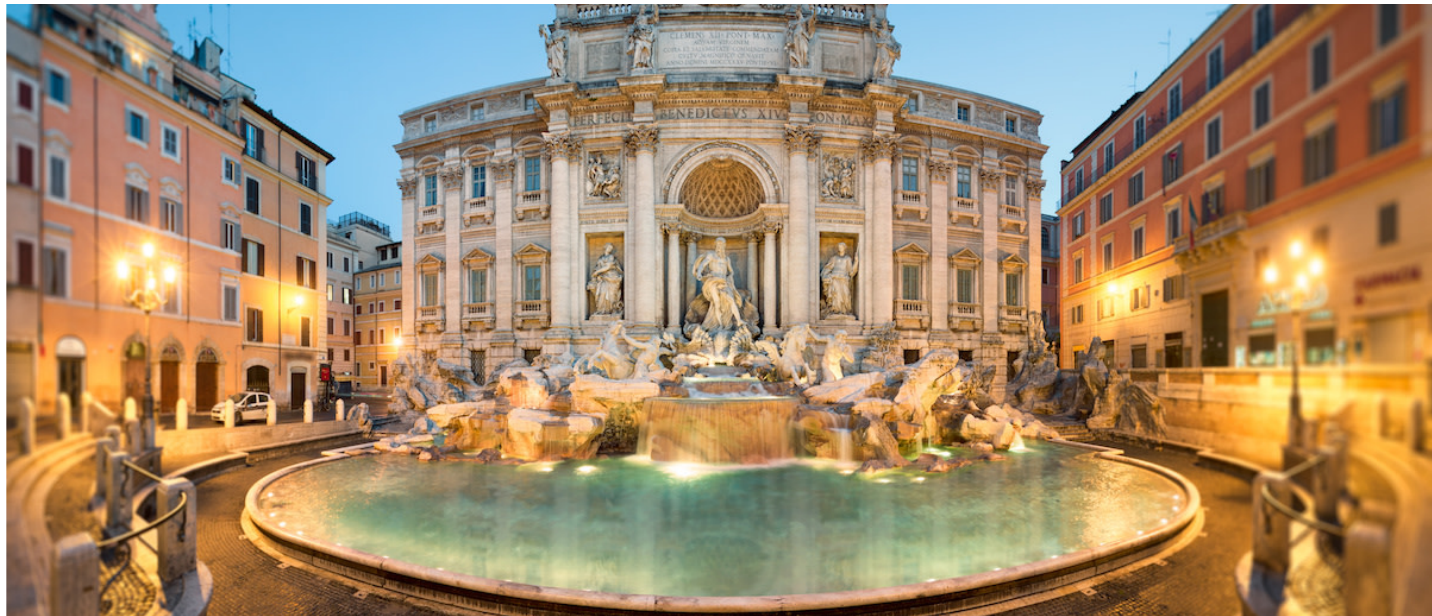
What is baroque architecture?
Baroque architecture developed during the 17th century as a bold, decorative style that emphasised grandeur and emotional impact.
Note
The term "baroque" likely comes from the Italian word "barocco" or Portuguese "barroco", both referring to an irregularly shaped pearl. This etymology hints at the style's embrace of irregular, dramatic forms over classical perfection.
Key defining features of baroque buildings include:
- Vaulted cupolas - dome-shaped ceilings that create impressive interior spaces
- Colonnades - dramatic rows of columns supporting structures
- Mixed materials - combination of rough stone and smooth stucco surfaces
- Luxurious interiors - rich fabrics, ornate furniture, and decorative elements
The style was heavily influenced by the artistic works of master painters like Caravaggio, Nicolas Poussin, Peter Paul Rubens, Diego Velázquez, and Rembrandt, whose dramatic paintings often adorned baroque buildings.
Historical origins and development
The baroque movement began as a direct response to the Protestant Reformation. The Roman Catholic Church sought to win back worshippers who were leaving traditional churches by creating more emotionally engaging spaces.
The counter-reformation influence
Important
During the Council of Trent, Catholic Church leaders developed strategies to maintain their influence against growing Protestant opposition. They deliberately moved away from the severe, austere Gothic style that had dominated mediaeval church architecture. Instead, they chose to create buildings that would draw people in through beauty and spectacle.
Spread from Rome to Europe
The movement began in Rome with groundbreaking Italian baroque churches. Notable early examples included:
Example
Notable Early Baroque Churches:
- Carlo Maderno's St. Peter's Basilica - showcased the grandeur that would define the movement
- Francesco Borromini's San Carlo alle Quattro Fontane - demonstrated innovative use of curves and light
- Gian Lorenzo Bernini's Sant'Andrea al Quirinale - perfected the integration of architecture and sculpture
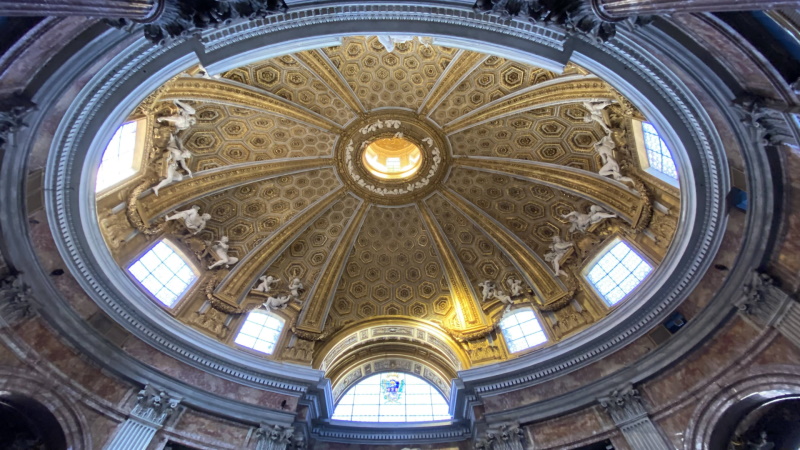
From Italy, the style rapidly spread across Europe, appearing in Austrian, Dutch, French, Portuguese, and Spanish churches. The movement even reached England, with examples like Blenheim Castle and Sir Christopher Wren's St. Paul's Cathedral.
Evolution to secular architecture
Initially focused on religious buildings, baroque architecture eventually expanded to secular structures. King Louis XIV of France commissioned baroque architects to create impressive palaces and civic buildings, demonstrating the style's versatility beyond church architecture.
Four key characteristics of baroque architecture
1. Mannerism
Mannerism represented a departure from the strict rules of classical Greek and Renaissance architecture. While still influenced by these earlier traditions, baroque architects embraced:
- Optical illusions - creating visual tricks that amazed viewers
- Experimental approaches - breaking traditional symmetry and proportional rules
- Sense of wonder - designing spaces that inspired emotional responses
This approach prioritised creating memorable experiences over following rigid architectural formulas.
2. Frescoes
Fresco painting became a signature element of baroque architecture. These large-scale paintings, applied directly to wet plaster on walls and ceilings, served multiple purposes:
- Biblical storytelling - depicted religious scenes that made worshippers feel part of sacred narratives
- Inspirational effect - created atmosphere of awe and reverence
- Architectural integration - became essential elements of the overall design

Example
Famous Fresco Example:
The most renowned example remains Michelangelo's Sistine Chapel, though baroque artists developed this technique further to create even more immersive experiences that transported viewers into the painted scenes.
3. Ornate roofing and entryways
Baroque architects believed that impressive exteriors would prepare visitors for the grandeur within. Key exterior features included:
- Elaborate pediments - decorative triangular sections above doorways
- Supporting colonnades - dramatic columns that held up impressive entranceways
- Rich surface decoration - carved details and sculptural elements
Note
French architect François Mansart became particularly renowned for designing these dramatic entrance features, establishing principles that influenced baroque architects across Europe.

4. Trompe l'oeil
This French technique, meaning "deceives the eye," created stunning three-dimensional illusions on flat surfaces. Baroque artists used trompe l'oeil to:
- Extend architectural space - make rooms appear larger or taller than reality
- Create heavenly visions - paint ceilings that appeared to open onto sky or celestial scenes
- Enhance sculptural effects - make painted elements appear as real as carved stone
Example
Master Example of Trompe l'oeil:
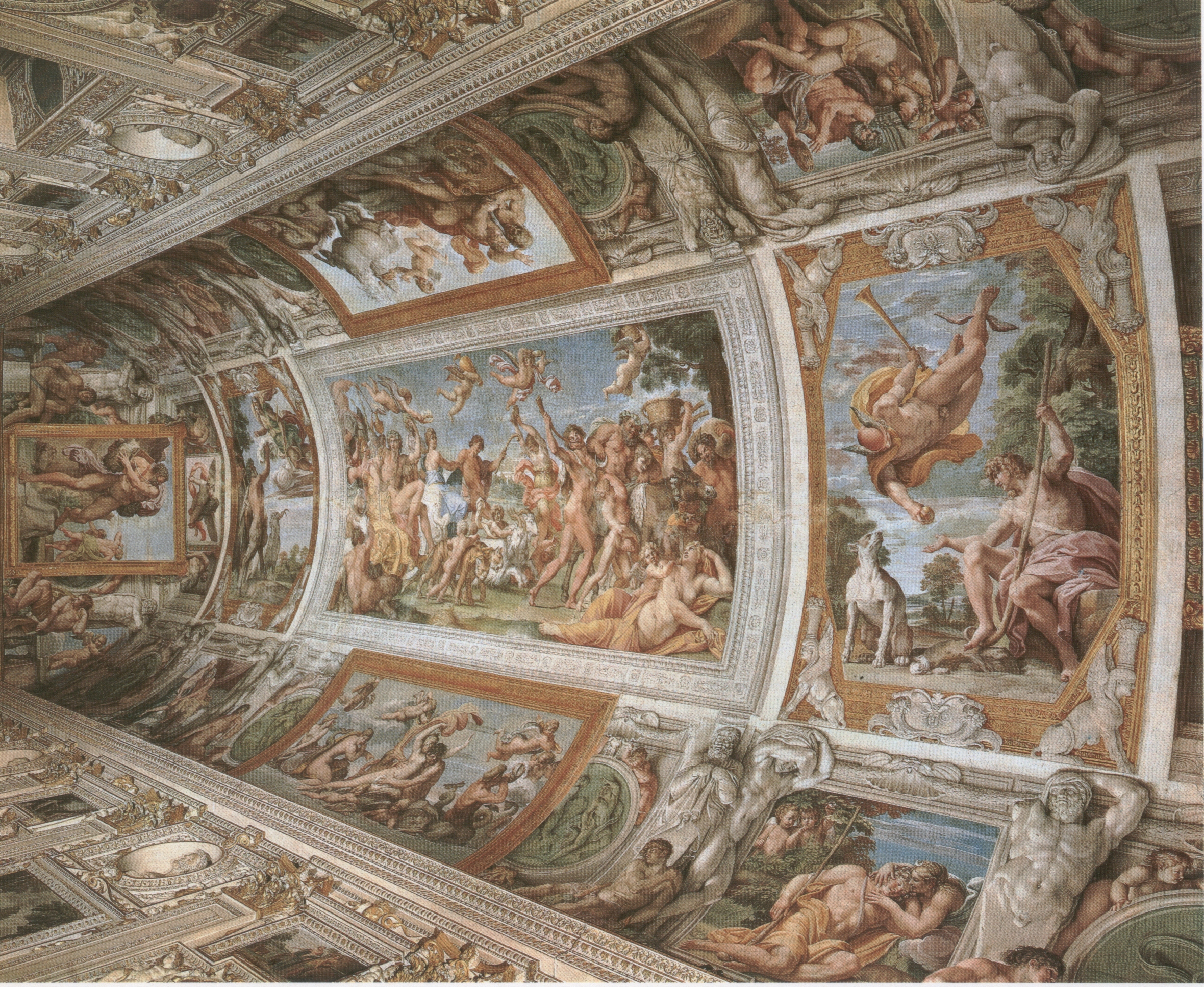
A famous example is Annibale Carracci's "The Loves of the Gods" in Rome's Palazzo Farnese, which created the illusion of looking through a window into Mount Olympus itself. Visitors often reached up to touch what appeared to be three-dimensional sculptural elements, only to discover they were painted on flat surfaces.
Later development and legacy
The baroque style continued evolving throughout the 18th century, eventually giving way to the rococo movement. Rococo represented a lighter, more playful interpretation of baroque principles, moving away from the sometimes overwhelming grandeur of early baroque architecture.
During the 19th century, there was a revival of baroque elements, particularly among Victorian-era architects. This neo-baroque movement brought baroque-inspired designs to major cities, including New York, introducing the style to new continents and contexts.
Summary
Key Points to Remember:
- Baroque architecture emerged in the 17th century as the Catholic Church's response to the Protestant Reformation, designed to inspire awe and draw people back to traditional worship
- Four key characteristics define the style: mannerism (experimental approaches), frescoes (large-scale ceiling paintings), ornate exterior decoration, and trompe l'oeil (optical illusion techniques)
- The movement spread from Rome throughout Europe and eventually to secular buildings, demonstrating its versatility beyond religious architecture
- Baroque emphasised emotional impact over rigid rules, breaking away from classical symmetry to create more dynamic, engaging spaces
- The style evolved into rococo and experienced revivals, showing its lasting influence on architectural development