Researching (Leaving Cert Art): Revision Notes
📚Revision Notes
Researching
Introduction to visual research
As an art student, you will develop into a visual researcher - someone who investigates, explores and discovers new possibilities in art. Research in Visual Studies means becoming like a cultural archaeologist, delving into both historical and contemporary artworks to understand how they were created and what they mean.
The research process involves engaging directly with artworks, whether in galleries, museums, or through high-quality reproductions. This hands-on approach helps you develop critical thinking skills and builds your understanding of different artistic traditions and techniques.
Note
Research in Visual Studies is fundamentally different from other academic disciplines - it's about visual investigation and discovery rather than just reading and writing. You're learning to "read" artworks like texts, uncovering layers of meaning through careful observation and analysis.
The research strand methodology
Effective research in Visual Studies follows a structured approach with five key focus areas that work together to create meaningful investigation. This methodology ensures comprehensive exploration of artworks and develops your skills as a visual investigator.
Important
The research strand should focus on: looking, using primary sources or examples of significant works of Visual Studies; recording and documenting your thoughts, ideas, findings and observations in your sketchpad; experimenting with and interpreting what you have observed, further developing your observations and experimenting with the work and ideas; contextual enquiries, researching and discovering more about the context with regard to your own work and the artwork of others in Visual Studies; following a process in your research.
Looking and using primary sources
This involves examining actual artworks or high-quality examples of significant Visual Studies pieces. Rather than relying solely on descriptions or secondary sources, you need to observe works directly. This direct engagement allows you to notice details, techniques, and qualities that might not be apparent in reproductions or written descriptions.
Primary sources in Visual Studies include original artworks, artist sketches, contemporary reviews, and historical documents from the time period when the work was created.
Recording and documenting observations
Keep detailed records of your thoughts, ideas, findings and observations in your sketchpad. This documentation becomes invaluable for developing your understanding over time. Your records should include both visual notes (sketches, diagrams) and written observations about what you notice, questions that arise, and connections you make.
Experimenting and interpreting
Take your observations further by experimenting with the techniques, materials, or approaches you have studied. This hands-on experimentation helps you understand how artworks were created and allows you to develop your own interpretations and responses to what you have observed.
Contextual enquiries
Research the broader context surrounding artworks - this includes learning about the historical period, cultural circumstances, the artist's background, and how the work relates to other pieces in Visual Studies. Understanding context helps you interpret artworks more deeply and see connections between different works and movements.
Following a systematic process
Approach your research methodically rather than randomly. Having a clear process helps ensure you gather comprehensive information and don't miss important aspects of the works you're studying.
Practical analysis frameworks
When analysing any work of art or design, you need a systematic approach that examines different aspects of the piece. Developing strong analytical skills is essential for understanding how artworks communicate meaning and achieve their visual impact.
Initial observation techniques
Start by taking time to really look at the artwork. Spend at least 30 seconds observing before making notes. Ask yourself:
- What do you notice first?
- What details do you remember after looking away?
- What did you overlook on first viewing?
Use visual and cultural language to describe what you see. Consider whether the work is abstract, realist, expressionist, or represents another artistic approach.
Analysing composition
Composition refers to how the art elements and design principles have been arranged in the artwork. Understanding compositional strategies helps you analyse how artists create visual impact and guide viewer attention.
Look for organisational patterns such as:
- Landscape (horizontal) or portrait (vertical) orientation
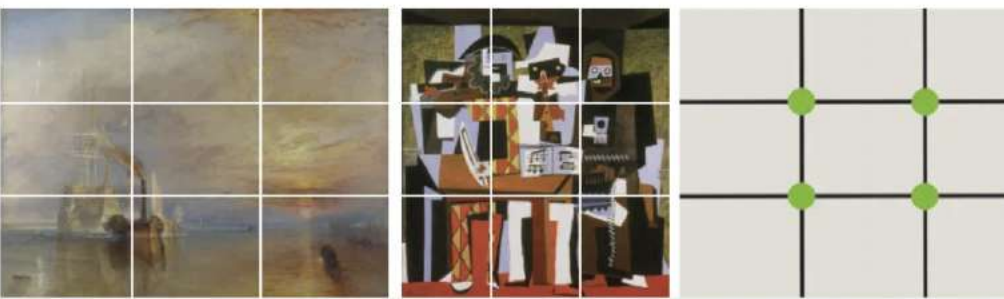
- Rule of thirds - a compositional guideline that helps artists place important elements and focal points effectively
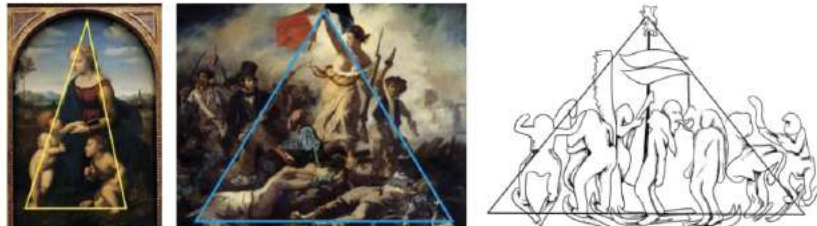
- Triangular compositions - where elements are arranged in pyramid-like structures for stability and visual impact
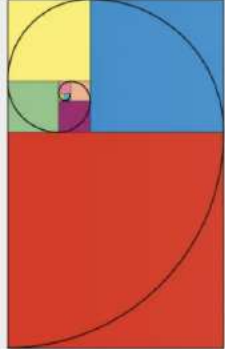
- Golden ratio or golden mean - mathematical proportions that create harmonious and pleasing arrangements
Important
The rule of thirds is more of a guideline than a rule. It helps the artist with the placement of art elements and the focal point within the composition. The rule divides an image into nine equal sections with two horizontal and two vertical lines. Placing important elements along these lines or at their intersections often creates more engaging compositions than centring everything.
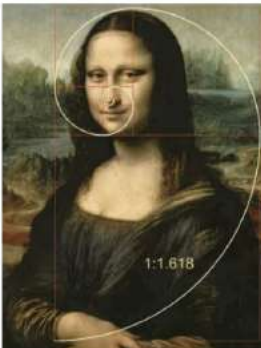
The golden ratio, expressed mathematically as , appears frequently in nature and art. Artists have used this proportion for centuries to create visually pleasing compositions.
Understanding perspective
Linear perspective is a crucial technique for representing three-dimensional space on flat surfaces. Single-point perspective uses a vanishing point on the horizon line where parallel lines appear to converge, creating the illusion of depth and distance.
Art elements and design principles as research tools
Understanding the fundamental elements and principles gives you vocabulary and framework for analysing any artwork systematically. These become your research tools for investigating how artists create meaning and visual impact.
The art elements
These are the basic visual components that artists use to create their work. Recognising and analysing these elements helps you understand the building blocks of visual communication:
Dot - Small, round marks that form the simplest element of art and drawing Line - Points moving in space that can be two or three-dimensional, descriptive, implied, or abstract Shape - Two-dimensional forms that can be flat or limited to height and width Colour - Made up of three properties: hue (name of colour), tone (lightness/darkness), and intensity (quality of brightness, strength and purity) Tone - A colour's value of lightness or darkness Texture - The tactile sensation or feel of a surface (rough, smooth, spiky, etc.) or how something appears to feel Form - Suggests the physical nature of the work or the element of shape Pattern - A repeating unit of shape or form organised in a consistent, regular manner
The design principles
These describe how the elements are organised and work together to create effective visual communication:
Symmetry - When elements are arranged the same way on both sides of an axis. Designs are asymmetrical if the arrangement differs on both sides Harmony - Elements that work together and complement each other Tension - Creating contrasts and rhythm and flow through a design
Balance - The arrangement of both positive elements and negative space so that no single area overpowers other areas Light - Affects how the viewer perceives the other elements and principles of design Space - The distance or area around or between elements of an artwork Scale - The relationship of sizes between different parts of a work Contrast - The difference in quality between two art elements. The greater the contrast, the more something will stand out
Note
When researching artworks, use these elements and principles as analytical tools. Ask yourself: Which elements dominate? How do the principles create unity or tension? This systematic approach ensures you examine all aspects of a work's visual construction.
Research questions for different media types
Different artistic media require tailored research approaches. Understanding the unique characteristics and considerations for each medium helps you ask the right questions and focus your investigation effectively.
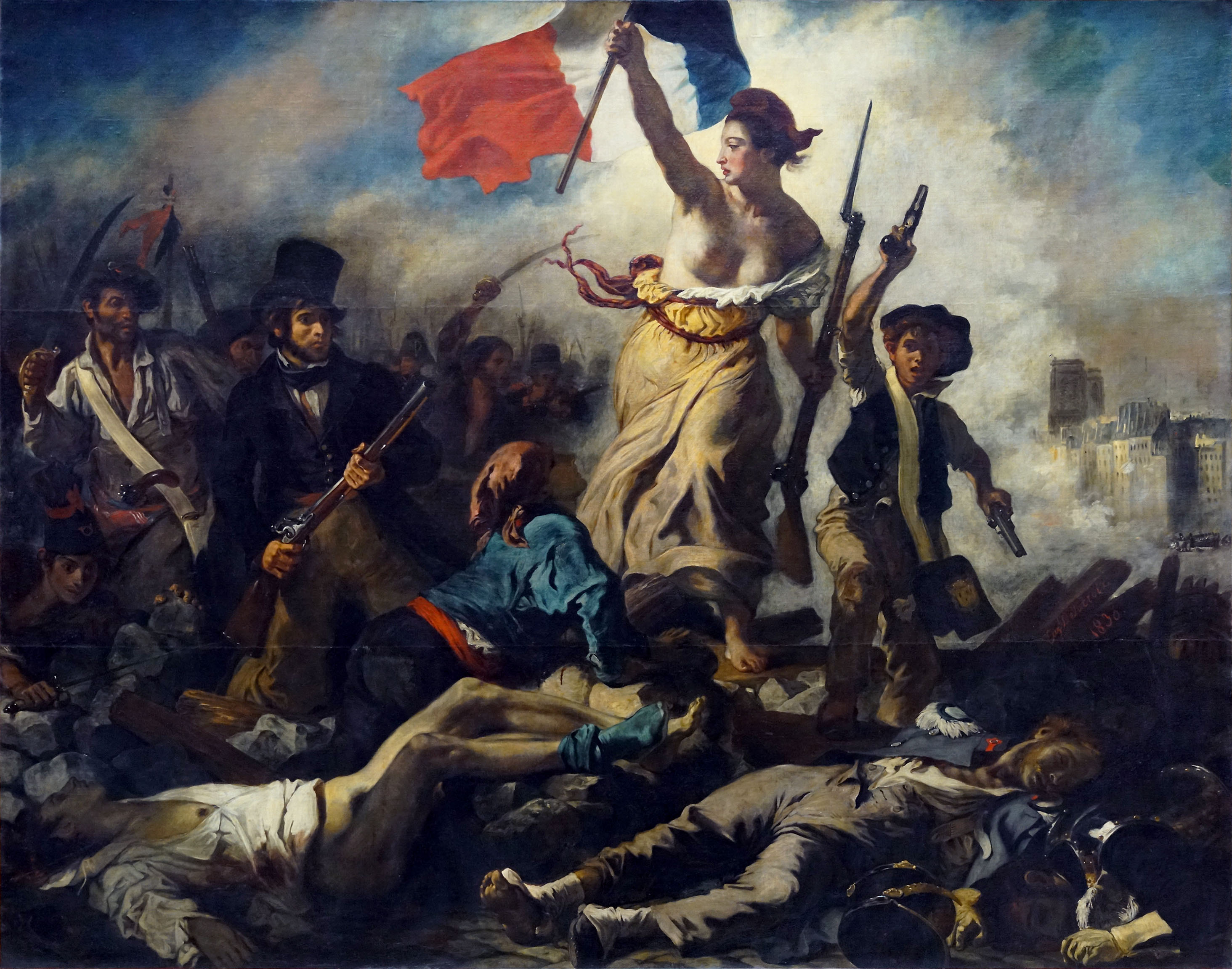
Analysing paintings
When researching paintings, systematic questioning reveals layers of meaning and technique:
Example
Analysis Framework for Paintings
Subject and theme: What is happening in the work? What do you think the title refers to? What is the painting about and what might it mean?
Materials and technique: What size is the painting? What medium did the artist use? Has the artist used gentle or vigorous brush marks? Are figures rendered expressively or naturalistically?
Light and composition: Can you tell the light direction and time of day? How has the artist used art elements like colour, line and shape? Is the composition following triangular arrangements or other organisational principles?
Analysing sculptures
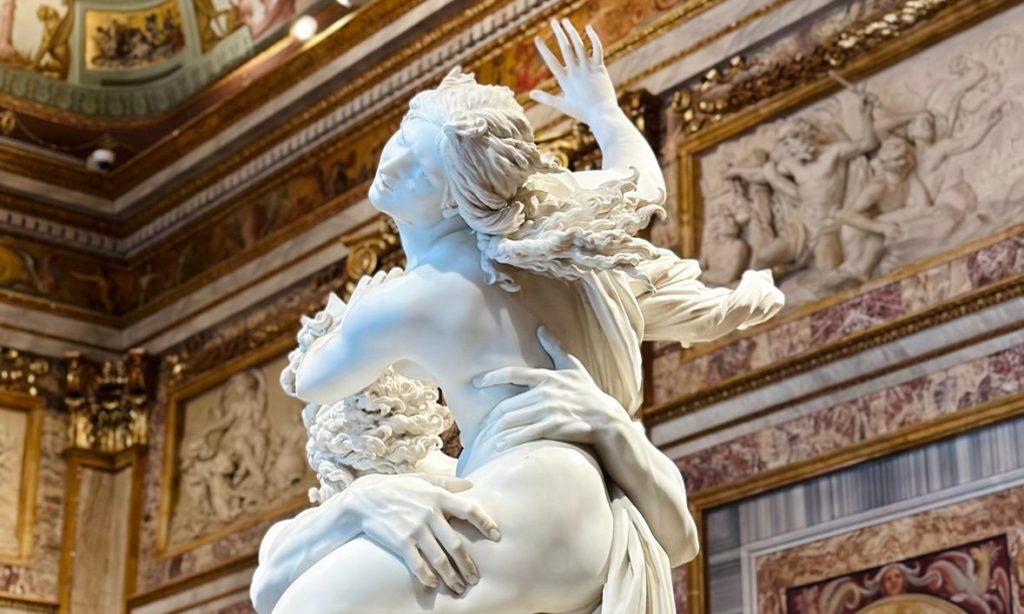
Sculpture requires different research considerations due to its three-dimensional nature and relationship with space:
Example
Analysis Framework for Sculptures
Subject and form: What is happening in the work? Does it have a purpose or function? Has the sculpture got strong presence?
Materials and method: What materials were used? In additive sculpture, artists build up materials, while in subtractive sculpture, they remove material until only the desired form remains.
Context and location: Do you think this work was made for a specific location? Would it be different in another setting? How does the sculpture react with the space inside and around it?
Analysing graphic design
Graphic design research focuses on visual communication effectiveness and aesthetic appeal:
Example
Analysis Framework for Graphic Design
Function: Does the poster communicate its message clearly? Is it readable from a distance?
Aesthetic appeal: Is the design appealing to the senses? Does it carry a message or narrative? Is the colour choice striking?
Design effectiveness: Which art elements have been used most effectively? Which design principles contribute most to visual impact? How has space been incorporated into the design?

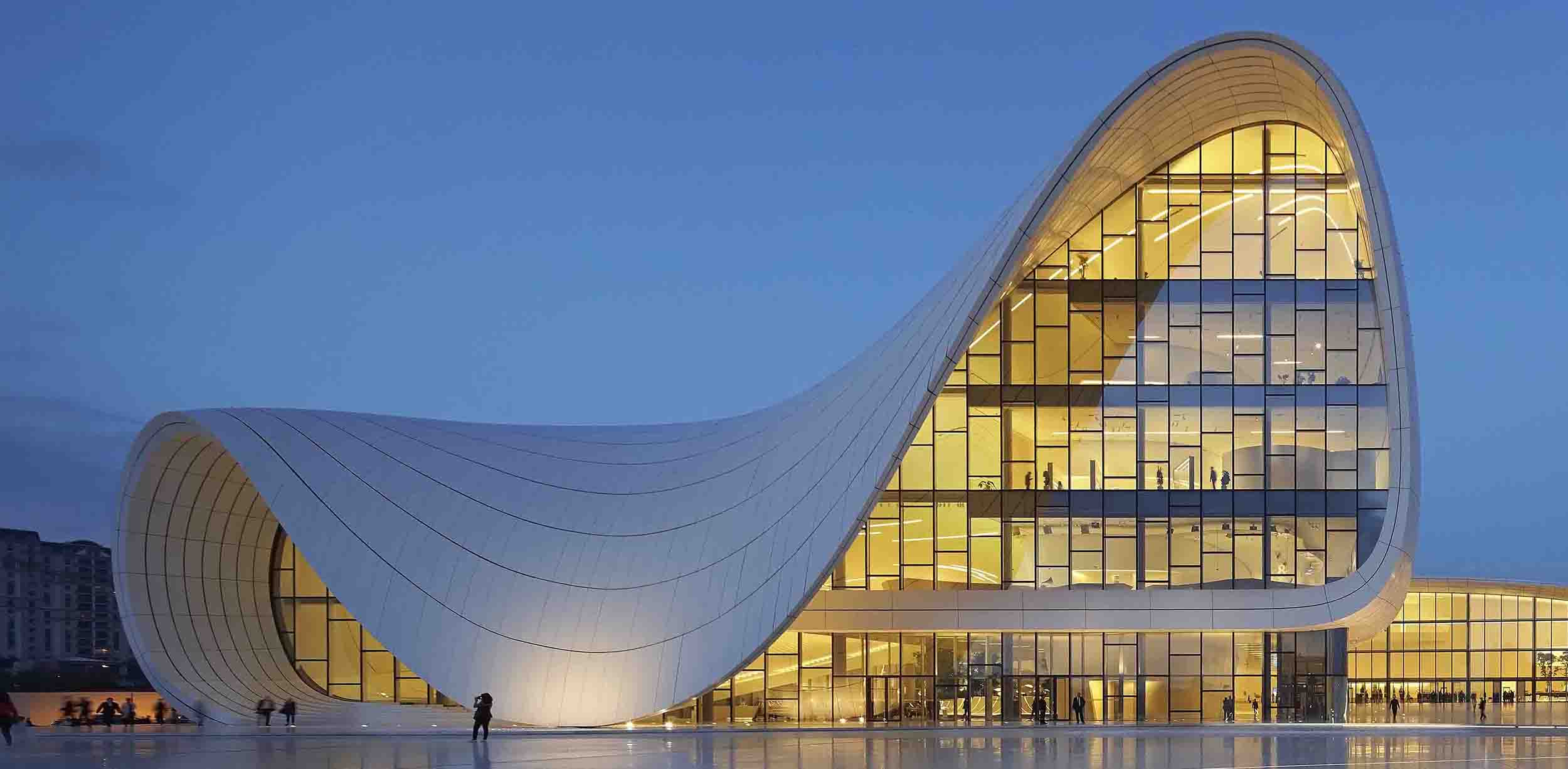
Analysing architecture
Architectural research examines both form and function, considering how built environments serve human needs:
Example
Analysis Framework for Architecture
Built environment: How do we live, including buildings, cities, towns, parks, and surfaces? Architecture constantly evolves as humans first lived in dwellings but today's crowded, urbanised world requires complex planning.
Shape and scale: How have the surfaces and edges been placed together? What is the size or actual bulk of the building? How do you perceive the scale - are the components such as doors and windows designed so they are at a human scale?
Materials and light: How have materials and colour been used to create the look of the building? How has the effect of light and shade on surfaces been included in the design?
Documentation and critical vocabulary
Effective research requires proper documentation using appropriate terminology. This systematic recording becomes the foundation for deeper understanding and future reference.
Record your observations systematically, noting not just what you see but also your questions, interpretations, and connections to other works. Your documentation should include both visual records (sketches, diagrams, photographs) and written analysis using precise art terminology.
Use precise vocabulary when describing techniques, materials, and visual effects. This builds your ability to communicate about art clearly and helps you notice subtleties in different works. Develop familiarity with terms specific to different media - for example, understanding brushwork terminology for paintings, or spatial vocabulary for architecture.
Consider multiple perspectives in your research - think about who the artist was, when and where they worked, what social or historical circumstances influenced the work, and how different viewers might interpret it.
Summary
Key Points to Remember:
- Research systematically - Follow the five key areas: looking, recording, experimenting, contextual enquiries, and process
- Use proper analytical frameworks - Apply knowledge of art elements and design principles to structure your observations
- Ask specific questions - Different media types require different research approaches and questions
- Document thoroughly - Keep detailed visual and written records of your investigations and interpretations
- Build critical vocabulary - Use precise terminology to describe techniques, materials, and visual effects accurately