The Endocrine System (LC 2027) (Leaving Cert Biology): Revision Notes
📚Revision Notes
The Endocrine System
What are endocrine glands?
Endocrine glands are special types of glands that work very differently from other glands in your body. Unlike ordinary glands that have tubes (ducts) to carry their products to where they're needed, endocrine glands are ductless glands. This means they release their products directly into your bloodstream.
These glands produce chemical substances called hormones, which act as messengers throughout your body. Once released into the blood, hormones travel to specific areas called target tissues or organs, where they cause particular effects.
Note
The key difference between endocrine glands and regular glands (like sweat glands or salivary glands) is that endocrine glands have no ducts or tubes. They release hormones directly into your bloodstream, which acts like a delivery system throughout your body.
Because hormones need to travel through the bloodstream to reach their destinations, endocrine glands have an excellent blood supply with lots of tiny blood vessels called capillaries.
What are hormones?
A hormone is essentially a chemical messenger that your body produces. Here's how they work:
- An endocrine gland makes and releases a hormone
- The hormone travels through your bloodstream
- It reaches a specific part of your body (target organ)
- It causes a particular effect in that location
Note
Think of hormones like text messages sent through your blood instead of through your phone network! Just like how you send a message to a specific person who then responds, hormones are sent to specific organs that then react in particular ways.
Most hormones are made from proteins, but some important ones (especially the sex hormones) are made from lipids called steroids.
Hormones generally work quite slowly compared to your nervous system, but their effects last much longer. For example, sex hormones can take years to create all the changes during puberty, but once they're working, they remain active for extended periods.
Location of major endocrine glands
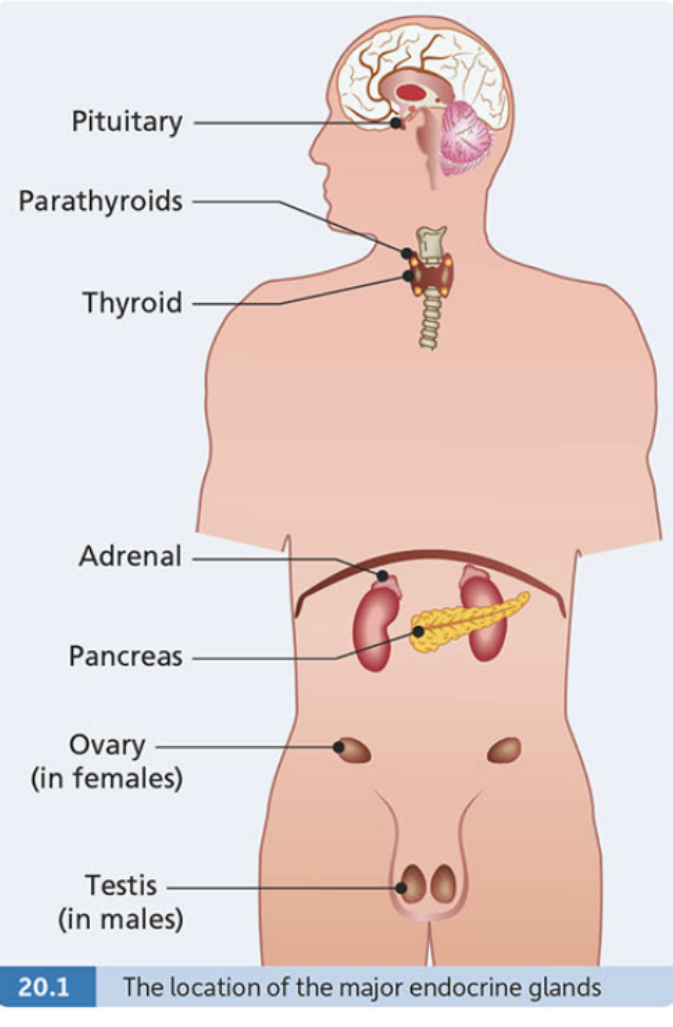
Your body has seven main endocrine glands, plus some organs that produce hormones alongside other functions. The major endocrine glands are located throughout your body:
- Pituitary gland: Located at the base of your brain
- Thyroid gland: In your neck, shaped like a butterfly
- Parathyroid glands: Four tiny glands behind your thyroid
- Adrenal glands: Sitting on top of both kidneys
- Pancreas: Below your stomach in your abdomen
- Ovaries (in females): In the pelvic area
- Testes (in males): In the scrotum
Additionally, other organs like your kidneys, heart, brain, stomach, intestines, and placenta can also produce hormones.
Functions of major endocrine glands
Pituitary gland
The pituitary gland is often called the "master gland" because it controls the activity of many other endocrine glands. It's about the size of a pea and sits in the middle of your head, just below your brain.
This tiny gland produces several important hormones:
- Thyroid-stimulating hormone (TSH): Controls your thyroid gland
- Follicle-stimulating hormone (FSH) and Luteinising hormone (LH): Control reproductive organs
- Anti-diuretic hormone (ADH): Controls water balance in your kidneys
Important
The pituitary also produces growth hormone, which is crucial during childhood and adolescence. When too much growth hormone is produced, it can lead to gigantism, causing people to grow extremely tall. This shows just how powerful hormones can be in affecting our bodies!
Thyroid gland
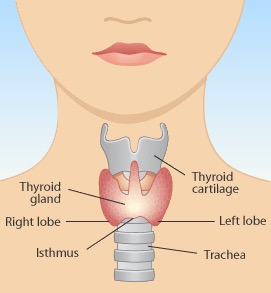
The thyroid is an H-shaped gland located in your neck, sitting on your windpipe (trachea). It produces the hormone thyroxine, which is made when an amino acid called tyrosine combines with iodine.
Thyroxine is crucial because it:
- Controls the rate of all your body's reactions
- Regulates your metabolism
- Affects your energy levels
Note
This is why people with thyroid problems often feel either very energetic or very tired and sluggish. An overactive thyroid makes everything speed up, while an underactive thyroid makes everything slow down.
Parathyroid glands
These are four tiny glands located just behind your thyroid gland. They produce parathyroid hormone (PTH), which is essential for controlling calcium levels in your blood.
PTH works by:
- Stimulating the release of calcium from your bones into your blood
- Helping your body absorb more calcium from food
- Controlling how your kidneys handle calcium
This system ensures your bones are constantly being broken down and rebuilt, keeping them strong and maintaining proper calcium levels for muscle and nerve function.
Adrenal glands
You have two adrenal glands, one sitting on top of each kidney. They produce adrenaline, also known as the "fight or flight" hormone.

When you're frightened, stressed, or excited, your adrenal glands release adrenaline, which:
- Increases your heart rate
- Helps your body produce more energy quickly
- Prepares you to respond efficiently to stress
- Makes you more alert and ready for action
Example
Real-life Example: Adrenaline in Action
Imagine you're walking alone at night and hear footsteps behind you. Instantly, your adrenal glands release adrenaline:
- Your heart starts racing
- You become more alert and focused
- Your muscles get ready for action
- You feel a burst of energy
This is your body preparing you to either run away or face the threat - the classic "fight or flight" response!
Pancreas
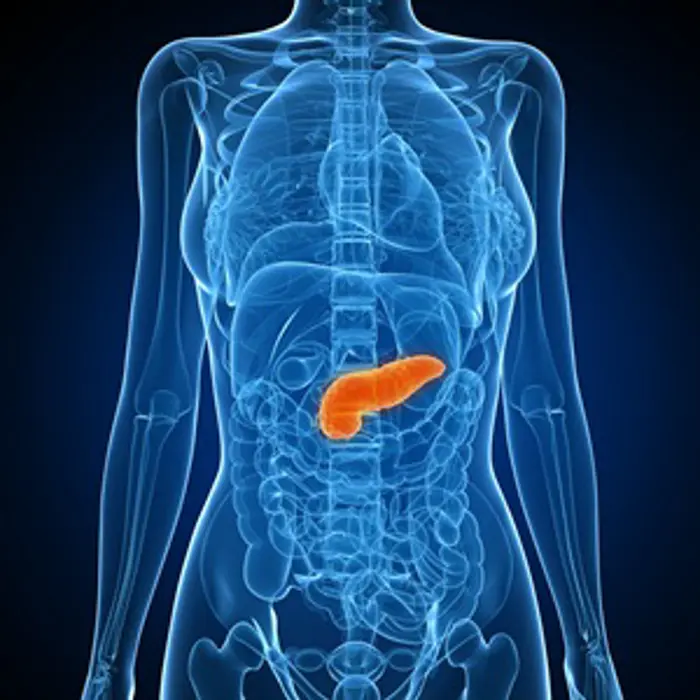
The pancreas is quite special because it's a dual-function gland - it produces both enzymes (for digestion) and hormones. It's located just below your stomach.
The hormone-producing part of the pancreas consists of about a million tiny clusters of cells called the islets of Langerhans. These produce insulin, one of the most important hormones in your body.
Insulin is vital because it:
- Reduces blood glucose levels
- Helps muscle and fat cells absorb glucose from the blood
- Allows your cells to use glucose for energy
- Helps store excess glucose in your liver and muscles
Important
When the pancreas doesn't produce enough insulin, or when cells don't respond to it properly, this leads to diabetes. This condition affects millions of people worldwide and shows how essential insulin is for normal body function.
Ovaries and testes
These reproductive organs produce the sex hormones that are crucial for sexual development and reproduction:
Ovaries (in females) produce:
- Oestrogen: Important for female sexual development and the menstrual cycle
- Progesterone: Prepares the body for pregnancy
Testes (in males) produce:
- Testosterone: Essential for male sexual development and characteristics
Hormonal manipulation
Hormone use in sport
Unfortunately, some athletes illegally use hormones to try to improve their performance. This practice is called doping and includes:
Anabolic steroids: These are drugs similar to testosterone that:
- Build up muscle mass
- Speed up muscle recovery after training
- Help strengthen bones
- Allow for more intense training methods

Human growth hormone: Also illegally used to build muscle and increase strength.
Erythropoietin (EPO): A hormone that increases red blood cell production, allowing more oxygen to be carried in the blood and potentially improving endurance.
Important
Why Hormone Abuse in Sport is Dangerous and Wrong
Using these substances is:
- Illegal in competitive sport
- Dangerous to health, causing serious side effects
- Unfair to other athletes competing naturally
Risks include liver damage, infertility, heart problems, and many other serious health issues. Athletes caught using these substances face bans and stripped medals.
Hormone use in healthcare
Hormones have many legitimate medical uses that help improve and save lives:
Contraceptive pills: Contain female hormones (oestrogen and progesterone) that prevent pregnancy by stopping ovulation.
Hormone replacement therapy (HRT): Used during menopause to replace declining levels of female hormones, helping reduce symptoms.
Insulin treatment: Essential for people with diabetes who cannot produce enough insulin naturally. Modern insulin pumps can provide continuous, controlled doses.
Cancer treatment: Some cancers are affected by hormones, so treatments can involve reducing hormone levels or blocking their effects.
Note
Unlike illegal hormone abuse in sport, medical hormone treatments are carefully prescribed and monitored by doctors. They're used to treat real medical conditions and improve quality of life for patients who need them.
Hormone use in agriculture
Farmers sometimes use hormones to improve food production and animal welfare:
In animals:
- Control reproductive cycles to help with breeding programmes
- Promote growth and increase meat production (though this is illegal in the EU)
- Increase milk production in dairy animals
In plants:
- Ripen fruit more uniformly (like ethene gas for bananas)
- Increase fruit size
- Control root formation in cuttings
- Kill weeds using synthetic plant hormones
Note
Agricultural hormone use is strictly regulated in most countries to ensure food safety. The hormones used break down quickly and don't remain in the food we eat in harmful amounts.
Summary
Key Points to Remember:
-
Endocrine glands are ductless glands that release hormones directly into the bloodstream to reach target organs
-
The pituitary gland is the "master gland" that controls other endocrine glands through hormones like TSH, FSH, and LH
-
Key hormones include thyroxine (metabolism), insulin (blood sugar), adrenaline (stress response), and sex hormones (reproduction)
-
Hormonal manipulation has legitimate medical and agricultural uses, but illegal use in sport is dangerous and unfair
-
Hormones work slowly but have long-lasting effects, making them perfect for controlling growth, metabolism, and reproduction