Abiotic factors that affect the population size of an organism in an ecosystem (LC 2026) (Leaving Cert Biology): Revision Notes
📚Revision Notes
Abiotic factors that affect the population size of an organism in an ecosystem
Determine experimentally three abiotic factors that affect the population size of an organism in an ecosystem.
- Soil temperature
- Soil pH
- Wind speed
Background:
The three abiotic factors examined include a combination of edaphic (soil) and climatic (long-term weather) factors. Other abiotic factors affecting population size include aquatic (water) and additional climatic factors. If these factors are unsuitable for the living organisms (plants or animals), the population will decline.
Soil pH:
- Measure the pH using either:
- A pH metre: Insert the probe into the solution and wait 15 minutes.
- Universal indicator paper: Dissolve a small soil sample in distilled water to create a muddy solution. Dip the paper into the solution and wait for the colour to change.
- Record the pH value from the metre display or compare the indicator paper colour to a pH chart and note the corresponding value.
Soil temperature:
- Insert thermometer into soil and leave for 15 minutes.
- Record reading on thermometer.
Wind speed:
Using an anemometer, count the number of times the anemometer turns a full rotation in 1 minute.
Note
Qualitative survey: records if a species is present or absent.
Note
Quantitative survey: gives the number of species in an area.
| Qualitative analysis | Quantitative analysis |
|---|---|
| Identification key | % frequency (plant) |
| Pooter (animals) | % cover (plant) |
| Sweep net (animals) | Capture-recapture method (animal) |
| Quadrat (plants) | |
| Tullgren Funnel (animals) | |
| Beating tray (animals) | |
| Pitfall trap (animals) | |
| Small mammal trap (animals) | |
| Direct search (animals) |
Animal collection methods:
| Instrument | Purpose | Procedure |
|---|---|---|
| Pooter | Collects small moving insects e.g., woodlouse | Point straw at animal with no gauze cover. Inhale through straw with gauze cover. |
| Pitfall trap | Helps capture organisms that live in the soil e.g., worm | Dig hole in the soil. Insert jar in soil. Place a cover that is left ajar for animals to fall in. |
| Beating tray | Collects animals living in trees | Place white tray under tree. Hit tree with stick. Collect organisms that fall in the tray. |
| Sweep net | Collects airborne animals e.g., butterfly | Pass sweep net through long grass. |
| Small mammal trap | Collects mice, rabbits, foxes | Set up trap and add bait. Return after 24 hours. |
| Tullgren funnel | Collect animals living in soil e.g., centipedes, millipedes, beetles | Add soil sample to funnel. Turn on light. Heat from light causes animals to fall into jar. |
| Cryptozoic trap | Collect animals such as slugs, centipedes, millipedes, woodlice | Place a flat stone or piece of wood on surface of the soil. After an interval of time, lift up said stone and observe animals present. |
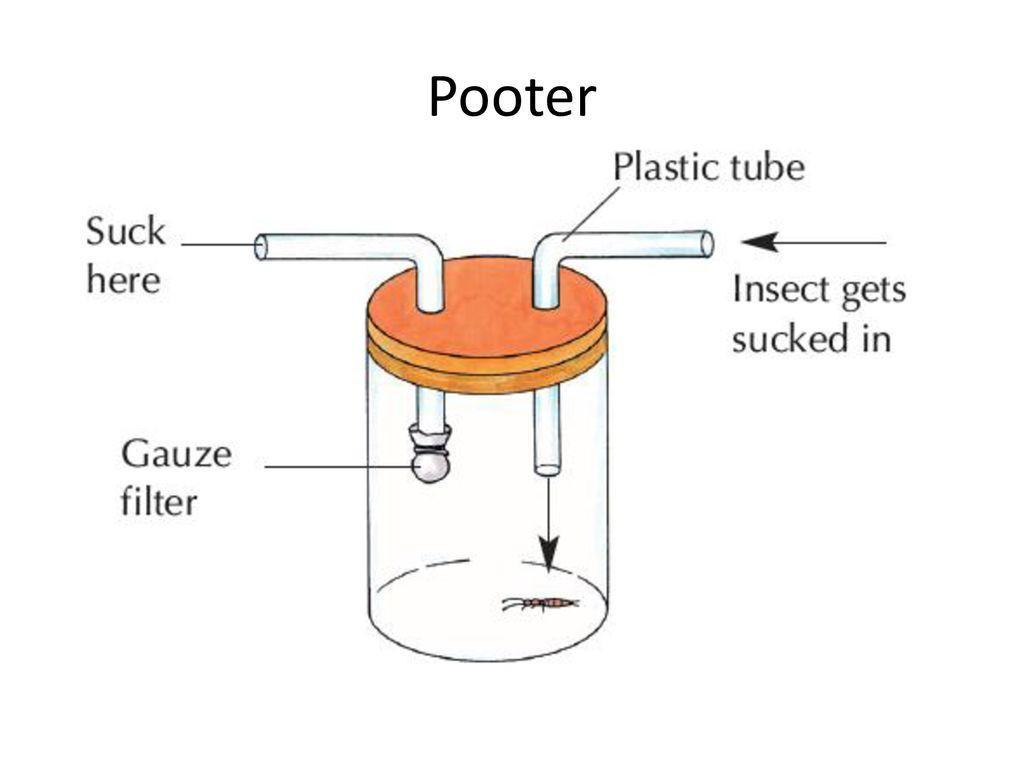
Pooter
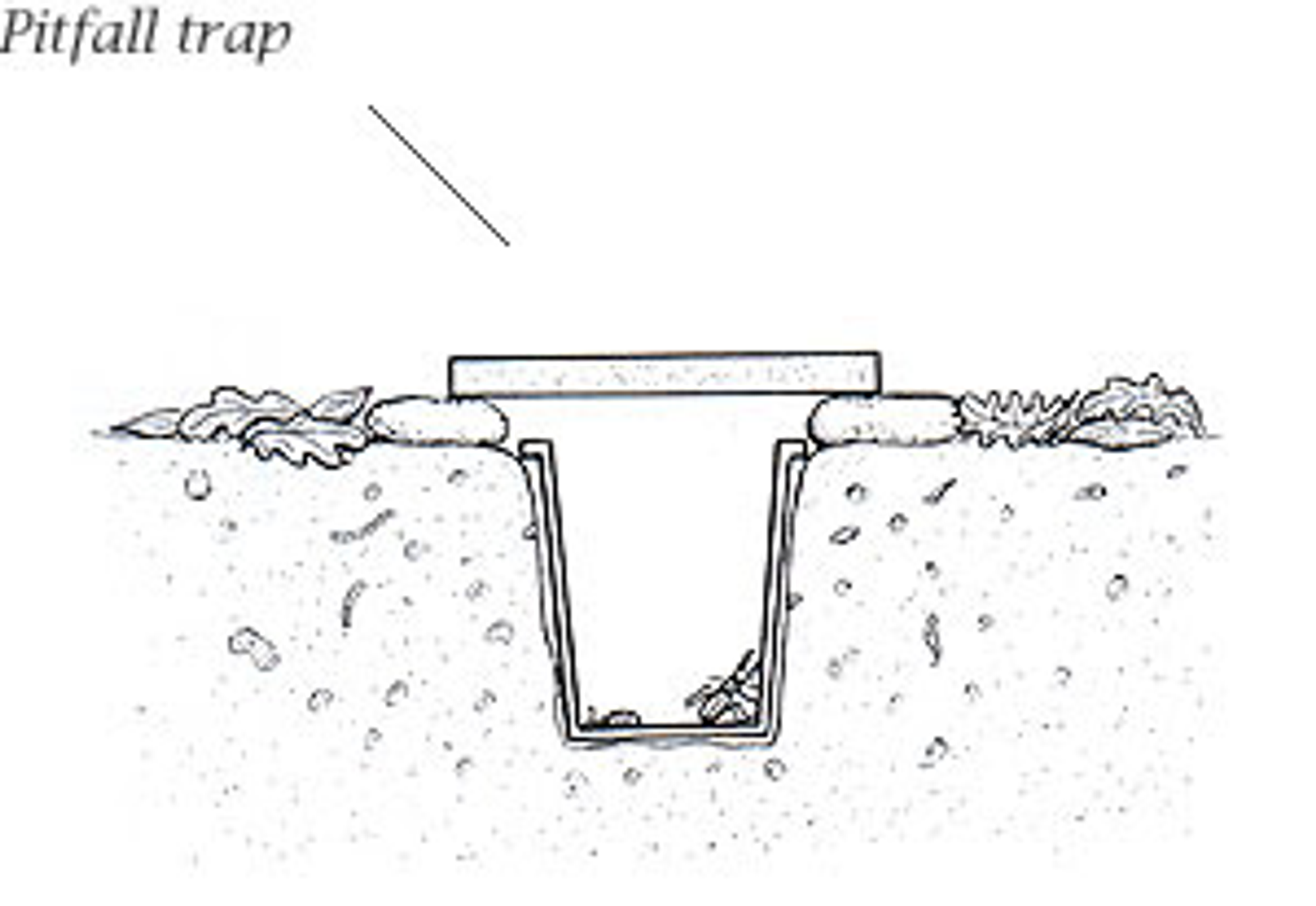
Pitfall trap
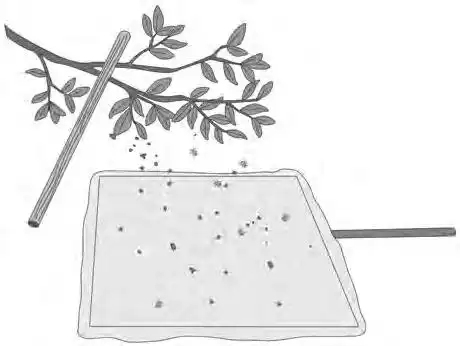
Beating tray
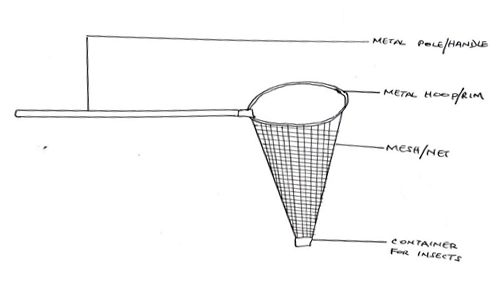
Sweep net
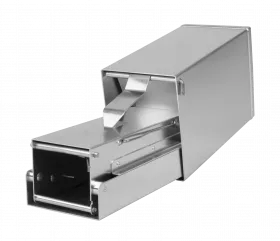
Small mammal trap
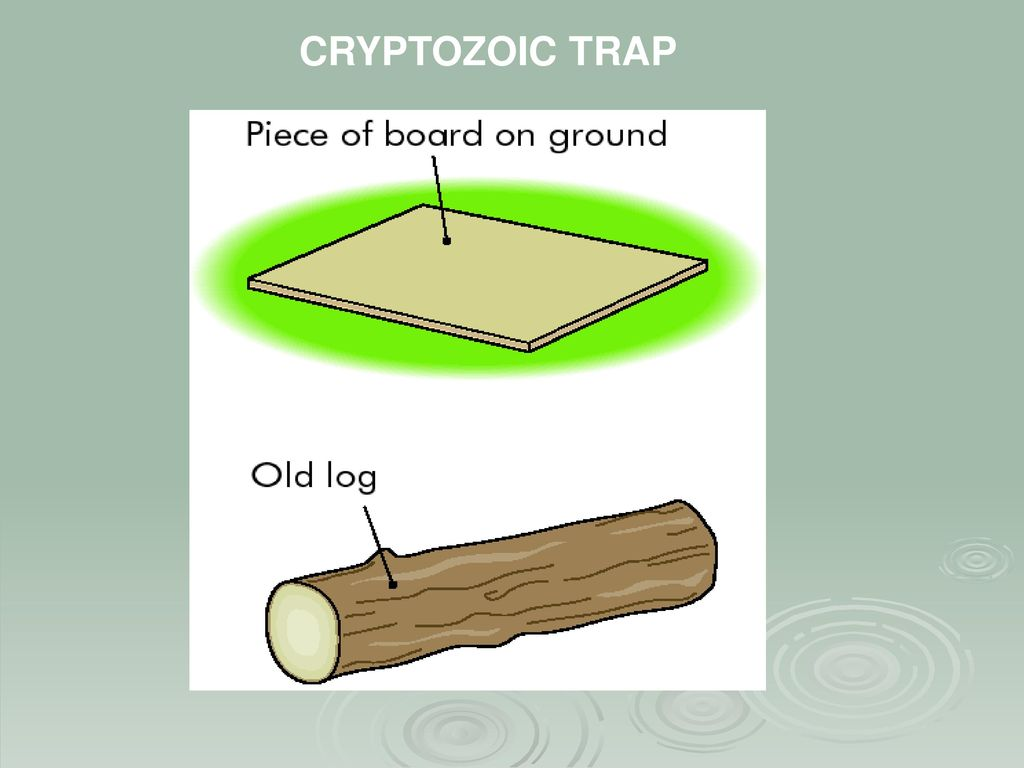
Cryptozoic Trap
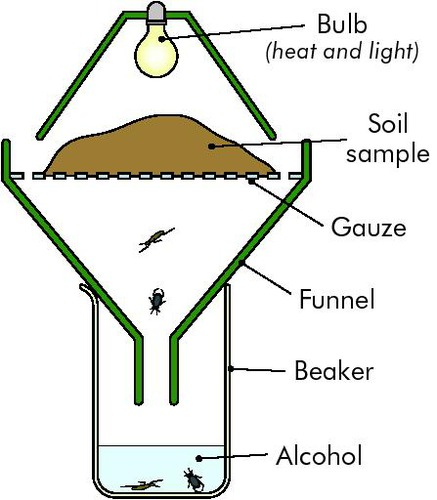
Tullgren funnel