How Business effects the Economy (Leaving Cert Business): Revision Notes
📚Revision Notes
The Impact of Business on the Economy
Businesses can have a major impact on both the local and national economy. This impact can be positive or negative, and is most visible through changes in:
- Employment
- Taxation
- Economic growth and development
Positive Impacts of Business on the Economy
1. Employment
- Businesses create jobs in many sectors, including agriculture, transport, retail, and technology.
- Jobs are created directly, when people are hired by the business itself, and indirectly, when demand increases for suppliers and service providers.
- Higher employment increases consumer income and spending, which helps other businesses and boosts the economy.
2. Taxation
- Businesses pay corporation tax, VAT, and employment taxes (e.g. PRSI).
- These taxes are used by the government to fund public services such as healthcare, education, and infrastructure. This strengthens both the national and local economy.
3. Living Standards
- When businesses perform well, employees and entrepreneurs earn more income through wages, profits, and dividends.
- This improves living standards and leads to greater spending in the economy.
4. Innovation and Investment
- Businesses invest in new ideas, products, and services.
- This innovation drives productivity and helps expand the economy by meeting new customer needs and opening up new markets.
5. Business Activity and Local Spending
- As businesses grow, they increase the level of money in circulation, especially in the local economy.
- Local suppliers benefit from increased demand, and employees spend their wages in local shops and services.
6. Community Development
- Many businesses support the local area by funding sports teams, events, and charities (e.g. sponsoring GAA clubs).
- This encourages social and community development and creates stronger ties between business and society.
7. Attracting Other Enterprises
- Successful businesses build confidence in an area and attract new entrepreneurs.
- For example, a growing retail business might encourage other firms in transport, logistics, and finance to set up nearby, creating a multiplier effect.
Negative Impacts of Business on the Economy
1. Stakeholder Relationships
- Some businesses may act unfairly towards stakeholders.
- This includes not paying suppliers on time, avoiding taxes, or providing false information to investors.
2. Consumer Rights
- If businesses cut corners to increase profits, they may sell poor-quality products or mislead customers through false advertising.
- This reduces trust and harms consumers.
3. Employment Law
- Businesses may mistreat employees by providing unfair wages, unsafe working conditions, or discriminatory practices.
- Failure to follow employment law damages worker wellbeing and can lead to industrial disputes.
4. Data Protection
- If businesses do not properly protect customer data or sell it without consent, they violate privacy laws and lose customer trust.
5. Environmental Issues
- Businesses can cause pollution, increase carbon emissions, or produce large amounts of waste. This harms the environment and creates extra costs for society.
Note
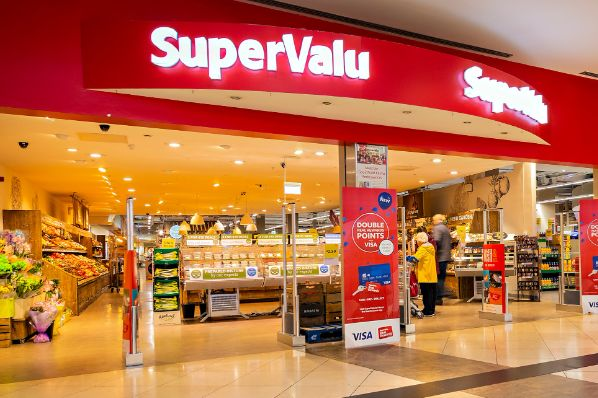
Case Study: SuperValu - Supporting the Irish Economy at Local and National Level
SuperValu is one of Ireland's largest grocery retailers, with over 220 independently owned stores operating under the SuperValu brand across the country. The business is part of Musgrave Group, an Irish family-owned company.
SuperValu supports both the local and national economy through employment, taxation, local sourcing, and community development.
1. Employment Creation
- Local Impact: SuperValu stores hire staff from the surrounding area, providing jobs in roles such as checkout, stock management, butchery, bakery, and customer service. This helps reduce unemployment in towns and villages across Ireland.
- National Impact: The Musgrave Group employs people in logistics, marketing, warehousing, IT, and administration. Head office jobs in Cork support the wider national economy.
Knock-on effect: More people in employment means more spending in local businesses such as cafés, petrol stations, and hairdressers. This is known as the multiplier effect.
2. Tax Contribution
- SuperValu pays corporation tax on profits, VAT on goods sold, and employment taxes such as PRSI and USC. This revenue supports public services like health, education, and roads.
- Every employee also pays income tax, increasing tax income for the government.
3. Support for Irish Suppliers and Local Producers
- SuperValu buys over €1 billion in goods from Irish producers every year, including fresh meat, dairy, vegetables, and baked goods.
- It supports 1,800 Irish food producers, many of them small or medium-sized enterprises (SMEs). Example:
- A small cheese producer in West Cork may supply cheese to dozens of SuperValu stores across Munster.
- This allows local farmers and food makers to grow their businesses without exporting. Effect:
- Money stays within the Irish economy, reducing imports.
- Jobs are created on Irish farms and in local food businesses.
- The value of Irish food exports increases because small businesses scale up and start exporting through the SuperValu Food Academy.
4. Community Development
- SuperValu stores sponsor local GAA clubs, tidy towns groups, and schools.
- They support local charities and events, increasing community spirit and quality of life.
- Through the SuperValu TidyTowns competition, the business helps promote rural development and tourism. Result:
- Social and community well-being improves.
- The local area becomes more attractive to live and work in, encouraging population retention and new enterprise.
5. Business Confidence and Enterprise
- SuperValu's success inspires confidence in local business.
- Other businesses open nearby (e.g. cafés, dry cleaners, health stores), benefiting from the increased footfall.
- Entrepreneurs feel encouraged to start up because of the stability and demand that SuperValu generates.
| Economic Factor | Local Impact | National Impact |
|---|---|---|
| Employment | Jobs in stores across communities | Head office, warehousing, and logistics roles nationwide |
| Taxation | Employees pay income tax | SuperValu and Musgrave pay VAT, corporation and employment tax |
| Local Sourcing | Buys from Irish farms and food producers | Supports agri-food industry and reduces import reliance |
| Community Support | Sponsorship of local GAA, charities, and schools | Strengthens rural communities and boosts national image |
| Enterprise Growth | Encourages start-ups and retail growth nearby | Food Academy helps small producers scale up and export |