Elements of a Business Plan (Leaving Cert Business): Revision Notes
📚Revision Notes
Elements of a Business Plan
Introduction to business planning
Planning is the process of deciding what a business wants to achieve and working out the best way to make it happen. It involves setting clear goals and figuring out the steps needed to reach them.
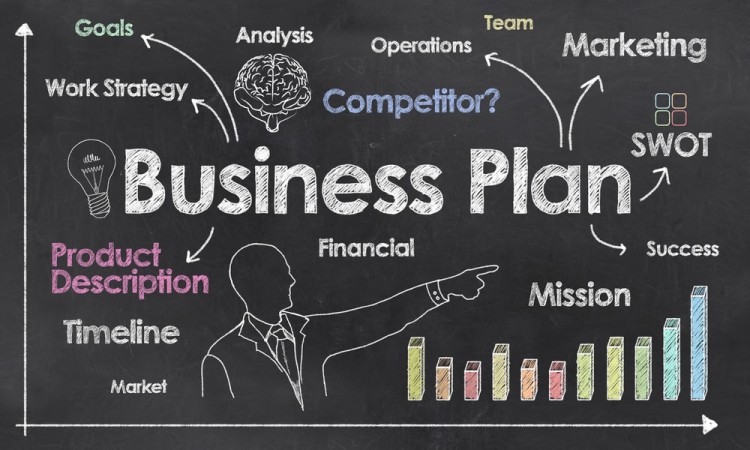
A business plan is a detailed document that outlines a company's objectives and explains how it will achieve them. Think of it as a roadmap that guides a business from where it is now to where it wants to be.
Note
The planning process is fundamental to business success as it transforms vague ideas into concrete, actionable strategies that guide decision-making at every level of the organisation.
The planning process helps businesses to:
- Set realistic and measurable targets
- Reduce risks and uncertainty
- Give the organisation clear purpose and direction
- Make better use of available resources
Forecasting plays an important role in planning. This involves predicting future events and trends, such as changes in customer demand, new technology developments, or economic conditions. Good forecasts help businesses prepare for what's coming next.
Functions of a business plan
Business plans serve several crucial purposes that benefit both the company and its stakeholders:
Improves motivation
A clear, well-written plan helps everyone in the business understand their role and how they contribute to overall success. When employees see how their work fits into the bigger picture, they feel more valued and motivated. This leads to higher productivity and better job satisfaction.
Secures finance
Banks, investors, and funding agencies need to see a solid business plan before they'll provide money. The plan demonstrates that the business owners have thought carefully about their venture and understand the financial requirements. It shows potential investors how their money will be used and when they can expect returns.
Anticipates problems
Good planning helps businesses look ahead and identify potential challenges before they become serious problems. This could include changes in market conditions, new competitors entering the market, or supply chain disruptions. By planning ahead, businesses can develop solutions in advance.
Provides benchmarking
A business plan sets out specific targets and goals that can be measured over time. This allows management to track progress and make adjustments when necessary. If sales targets aren't being met, for example, the business can investigate why and take corrective action.
Increases efficiency
When everyone knows what they're supposed to be doing and how their role fits into the overall plan, the business operates more smoothly. Resources are used more effectively because there's a clear strategy guiding all decisions.
Important
Business plans are not just documents that sit on a shelf - they are living tools that should be regularly reviewed and updated to reflect changing business conditions and opportunities.
Types of business plans
There are five main types of business plans, each serving a different purpose and covering different time periods:
Mission statement
A mission statement sets out the vision, values, and core purpose of the company. It explains what the business stands for and what it hopes to achieve. This is the foundation that guides all other planning decisions.
The mission statement should answer key questions like:
- What does our company do?
- Who do we serve?
- What makes us different?
- What are our core values?
Example
Mission Statement Example: Lily O'Brien's
Lily O'Brien's mission statement emphasises their passion for creating "amazing and innovative chocolate recipes" while incorporating both local Irish traditions and international flavour trends. Their focus on research and development shows their commitment to continuous innovation.
Strategic plan
Strategic planning involves setting long-term goals and working out how to achieve them. This type of planning typically covers three to five years and is developed by senior management.
A strategic plan includes:
- Long-term objectives such as market share targets
- Major resource allocation decisions
- Plans for business expansion or diversification
- Key performance indicators for measuring success
Strategic plans provide a framework for all other types of planning and help ensure that day-to-day decisions support the company's long-term goals.
Example
Strategic Planning Example: Lily O'Brien's Sustainability
Lily O'Brien's strategic commitment to sustainability includes reducing the environmental impact of their business activities and becoming more environmentally responsible in their operations.
Tactical plan
Tactical planning translates strategic goals into shorter-term, more specific objectives. These plans typically cover one to two years and are developed by middle management.
Tactical plans focus on:
- Specific action items needed to achieve strategic goals
- Resource requirements for different departments
- Timeline for implementing key initiatives
- Performance measures for tracking progress
Example
Tactical Planning Example: Sustainability Framework
Lily O'Brien's participation in the Bord Bia Origin Green Programme provides a framework for managing business sustainability, including an environmental management system.
Operational plan
Operational planning deals with the day-to-day running of the business. This includes weekly staff schedules, production timetables, and specific quantities to be produced. It's carried out by front-line managers who oversee daily operations.

Operational planning ensures that:
- Products and services are delivered efficiently
- Resources are used effectively
- Quality standards are maintained
- Customer demands are met promptly
Example
Operational Planning Example: Production Scheduling
The production manager at Lily O'Brien's chocolate factory creates detailed production schedules showing exactly what types of chocolate will be produced each day, when machines will be cleaned for different varieties, and weekly production targets for each product type.
Contingency plan
A contingency plan is a backup plan designed to deal with unexpected problems or emergency situations. Every business should have contingency plans to minimise disruption and potential losses when things don't go according to plan.
Contingency plans might cover:
- Supply chain disruptions
- Key staff leaving unexpectedly
- Economic downturns
- Natural disasters or pandemics
- Major equipment failures
Example
Contingency Planning Example: Brexit Preparation
Lily O'Brien's developed contingency plans for Brexit uncertainties, including stockpiling essential raw materials in case supply chains were disrupted.
Ethics and sustainability in business planning
Modern businesses must consider ethical and sustainable practices when developing their plans. This includes:
Environmental responsibility
- Reducing waste and packaging materials
- Using sustainable raw materials
- Minimising carbon footprint
- Implementing recycling programmes
Social responsibility
- Fair treatment of employees
- Supporting local communities
- Ensuring product safety
- Truthful advertising and marketing
Corporate governance
This involves following legal requirements and maintaining high standards of business conduct. Companies must publish reports on their environmental, social, and corporate governance (ESG) activities, showing how they're meeting their responsibilities to all stakeholders.
Important
Gender Pay Gap Reporting
The Gender Pay Gap Information Act requires Irish firms with over 50 employees to publish annual reports showing pay differences between male and female employees. This is a legal requirement that demonstrates the importance of transparency in business practices.
Business models vs business plans
It's important to understand the difference between a business model and a business plan:
Business model
A business model explains how a company creates, delivers, and captures value. It describes:
- How the business will make money
- Who the target customers are
- What products or services will be offered
- How the business will reach its customers
- What the key costs will be
Business plan
A business plan outlines the overall strategy and goals of a business. It includes the business model but also covers:
- Financial projections and funding requirements
- Marketing strategies
- Operational procedures
- Risk analysis
- Implementation timelines
Note
Think of the business model as the engine that makes the business work, while the business plan is the roadmap for building and operating that engine successfully.
Summary
Key Points to Remember:
- Planning is essential - it provides direction, reduces risks, and improves efficiency for any business
- Five key types - mission statement (vision), strategic (long-term), tactical (short-term), operational (daily), and contingency (backup) plans
- Multiple functions - business plans motivate staff, secure funding, anticipate problems, enable benchmarking, and increase efficiency
- Ethics matter - modern businesses must integrate sustainability and social responsibility into their planning processes
- Know the difference - business models explain how value is created, while business plans provide the complete roadmap for success