Business Regulation and Governance (LC 2027) (Leaving Cert Business): Revision Notes
📚Revision Notes
Business Regulation
Business regulation is a fundamental aspect of how businesses operate within society. Understanding regulation helps businesses comply with legal requirements while protecting stakeholders and promoting fair business practices.
What is business regulation?
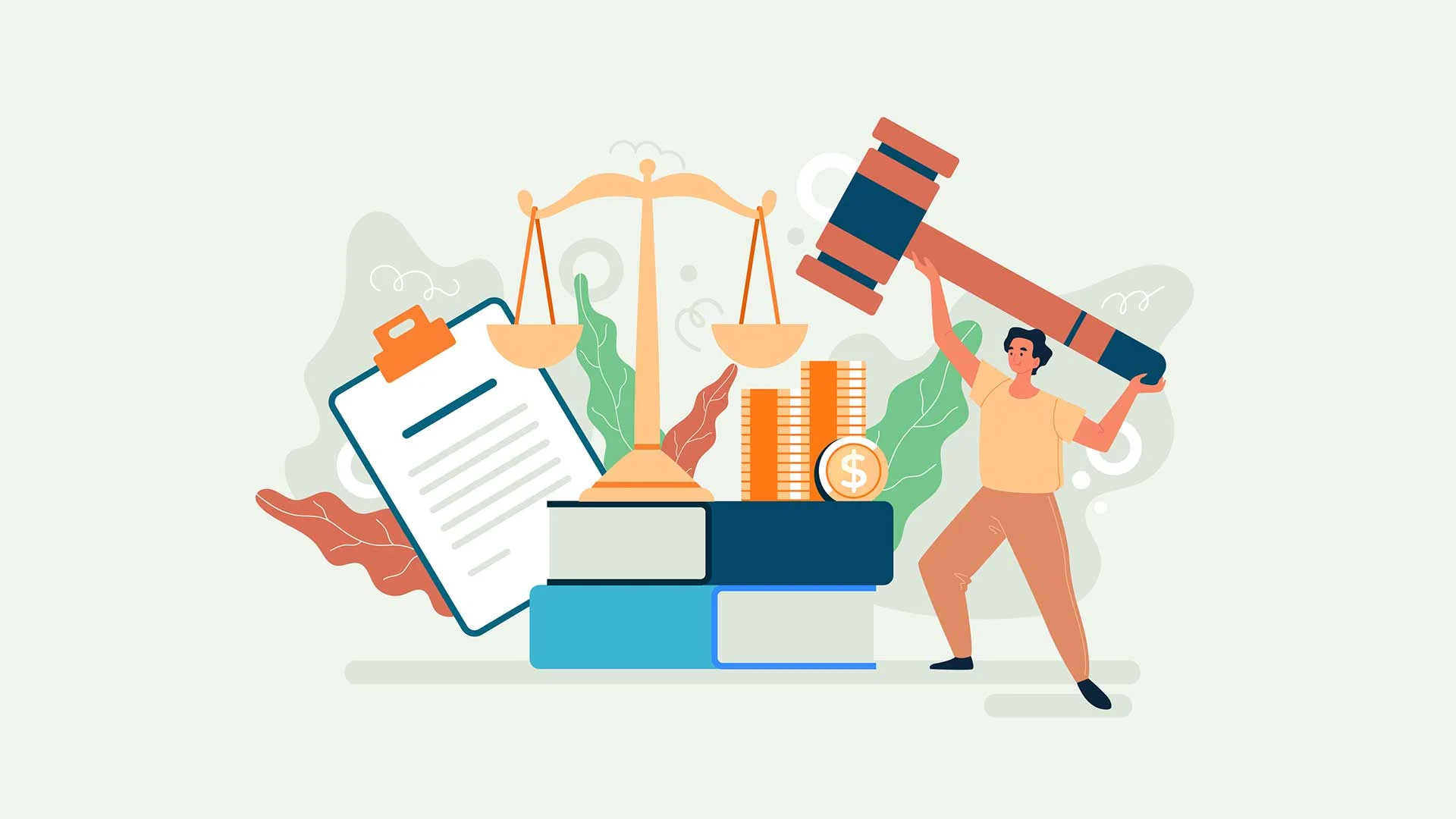
A regulation is a rule or guideline created by government to control and direct how businesses and organisations behave. These rules act as a framework that ensures businesses operate fairly and sustainably, protecting the interests of all stakeholders - including customers, employees, shareholders, and the wider community.
Note
Regulation serves as a mechanism to balance business freedom with social responsibility, ensuring that profit-making activities don't harm individuals or society as a whole.
Types of business regulation
Understanding the distinction between internal and external regulation is crucial for businesses to develop comprehensive compliance strategies.
Internal regulation (self-regulation)
Internal regulation refers to how businesses control and govern their own behaviour without external pressure. This form of regulation comes from within the organisation itself and typically includes:
- Board of directors - Senior executives who set strategic direction and oversee company operations
- Management policies - Internal rules and procedures that guide daily operations
- Company culture and values - The beliefs and principles that influence how employees behave
- Codes of conduct - Written guidelines that outline expected behaviour standards
Note
Internal regulation is important because it demonstrates that a business takes responsibility for its actions. Companies that regulate themselves effectively often face fewer external restrictions and build stronger reputations with stakeholders.
External regulation
External regulation occurs when outside bodies control business behaviour through laws and official requirements. This regulation comes in the form of:
- Legislation - Laws passed by government that businesses must follow
- State agencies - Government organisations that monitor and enforce compliance
External regulation ensures that all businesses meet minimum standards, regardless of their internal policies. It provides a level playing field where all competitors must follow the same basic rules.
Irish regulatory bodies
Ireland has several key regulatory organisations that oversee different aspects of business operations:
- Companies Registration Office (CRO) - Handles company registration and ensures compliance with company law
- Competition and Consumer Protection Commission (CCPC) - Promotes competition and protects consumers
- Health and Safety Authority (HSA) - Regulates workplace safety standards
- Revenue Commissioners - Manages tax collection and compliance
- Environmental Protection Agency (EPA) - Monitors and regulates environmental impact
Important
Each regulatory body has statutory powers - legal authority granted by government to enforce rules and impose penalties for non-compliance.

Why do we need business regulation?
Regulation serves several essential purposes in the business environment:
Risk management
Regulation helps identify and control activities that could cause harm to individuals, businesses, or society. By setting standards and monitoring compliance, regulatory bodies minimise the potential for damage from irresponsible business practices.
Legal compliance monitoring
Regulatory bodies scrutinise business activities to ensure companies follow the law. This includes regular inspections, audits, and reviews to verify that businesses meet their legal obligations.
Enforcement and penalties
When businesses fail to comply with regulations, regulatory bodies can apply sanctions and penalties. This enforcement mechanism encourages businesses to take regulations seriously and maintain proper standards.
Key areas of business regulation
Finance regulation
Financial regulation ensures that businesses handle money responsibly and transparently:
- The Companies Registration Office (CRO) sets legal requirements for how companies should be structured and managed
- All businesses must pay appropriate taxes, with Revenue Commissioners regulating tax collection
- The Pensions Authority oversees retirement savings schemes, including Personal Retirement Savings Accounts (PRSAs)
Note
Financial regulation protects investors, ensures fair taxation, and maintains confidence in the business system.
Employment regulation
Employment laws protect both workers and employers by establishing clear rights and responsibilities:
- Employment legislation defines the rights of both employers and employees in the workplace
- The Pensions Authority provides guidance for workplace pension schemes
- Regulations cover areas such as wages, working hours, discrimination, and workplace conditions
These regulations ensure that employment relationships are fair and that workers receive appropriate protection.
Health and safety regulation
The Health and Safety Authority (HSA) plays a crucial role in protecting people at work:
- Regulates workplace safety standards across all industries
- Provides guidance and advice to help businesses create safe working environments
- Monitors compliance through inspections and investigations
- Ensures that businesses prioritise the health, safety, and welfare of all workers
Important
Health and safety regulation prevents workplace accidents and creates safer working conditions for everyone.
Environmental regulation
The Environmental Protection Agency (EPA) protects Ireland's natural environment:
- Regulates business activities that could impact air, water, or land quality
- Promotes sustainable business practices that support climate action
- Monitors businesses to ensure they don't harm local environments
- Provides scientific information and guidance to support environmental protection
Environmental regulation ensures that business growth doesn't come at the expense of our natural surroundings.
Summary
Key Points to Remember:
-
Business regulation consists of rules that control how businesses behave to ensure fairness and sustainability for all stakeholders
-
Internal regulation comes from within businesses (boards, policies, culture) while external regulation is imposed by government through laws and agencies
-
Irish businesses must comply with various regulatory bodies including the CRO, CCPC, HSA, Revenue, and EPA
-
Regulation serves three main purposes: risk management, monitoring legal compliance, and enforcing penalties when businesses break the rules
-
The four key areas of business regulation are finance, employment, health and safety, and environmental protection