Why do Businesses change their Ownership Structure? (Leaving Cert Business): Revision Notes
📚Revision Notes
Why do Businesses change their Ownership Structure?
Changing Ownership Structure
Many Businesses change ownership structure. This is for a variety of reasons:
- To allow expansion: Changing the ownership structure can provide the necessary capital and resources for growth. This enables businesses to enter new markets more effectively. Sole traders often face difficulties in securing financing, and a different ownership structure can help overcome these challenges.
- Benefit from limited liability: Adopting a limited liability structure protects owners' personal assets from business debts. This significantly reduces financial risk for the owners. It also makes the business more attractive to investors, as they have assurance that their personal assets are safeguarded.
- Privatisation/Nationalisation: Transitioning ownership through privatisation can lead to increased efficiency and competitiveness. This is because private sector management often drives innovation and customer service improvements. Conversely, nationalisation ensures strategic control over essential services and resources, ensuring they remain accessible to the public.
- Taxation: Limited companies pay corporation tax (12.5%) which is lower than the income tax (with a higher rate of 40%) that sole-traders pay. This is an incentive for changing ownership structure as more profits can be reinvested in the Business.
Case Study: Aer Lingus
The government used to own Aer Lingus. In 2015 it sold its last stake in the company to the International Airlines Group (IAG) which also owns British Airways and Iberia.
- Critics argue that Aer Lingus is now not incentivised to provide routes beneficial to the Irish people. Aer Lingus is operating flights from Manchester to the United States which do not benefit Ireland.
- Proponents say that the government should not have owned the airline as it was unfair for other competitors such as Ryanair. It also forced the taxpayer to subsidise the airline and cover any losses.
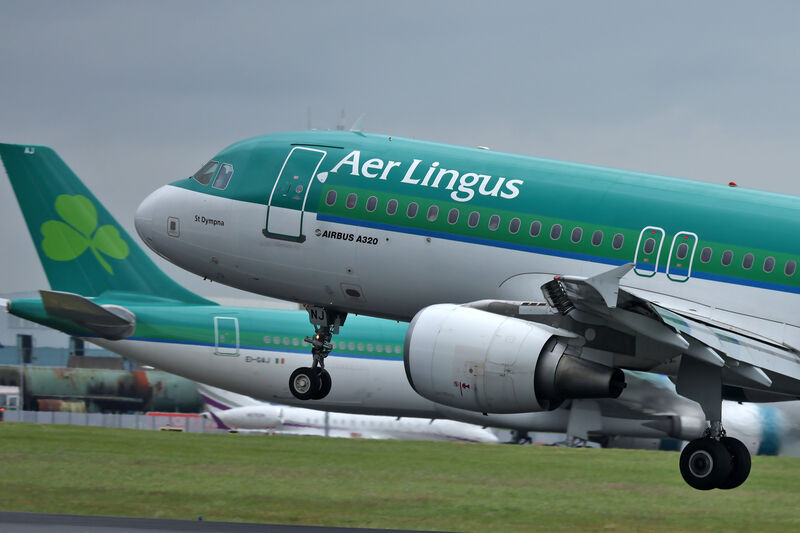
Aer Lingus is now a private company