Structure of the EU (Leaving Cert Business): Revision Notes
📚Revision Notes
Structure of the EU
The European Union operates through a complex institutional framework that ensures democratic decision-making across its 27 member states. Understanding how these institutions work together is essential for grasping how EU policies affect businesses and citizens.
Note
Understanding the EU's institutional structure is crucial for comprehending how European policies impact daily life, from business regulations to consumer rights. The system is designed to balance different interests while maintaining democratic accountability.
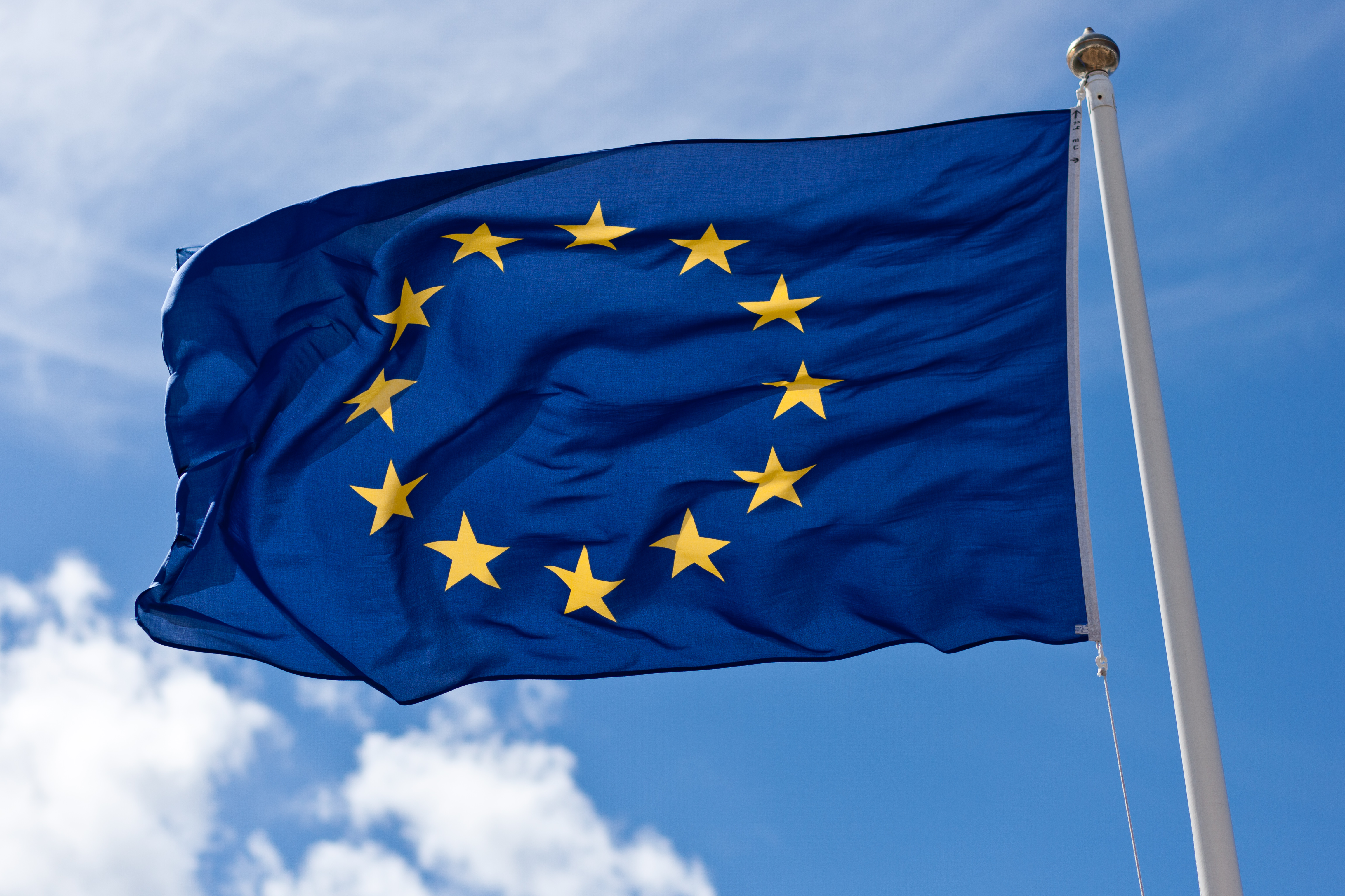
The main decision-making institutions
The EU's structure centres around three primary institutions that form what's often called the institutional triangle. Each institution has distinct roles and powers, but they must work together to create EU legislation and policy.
This triangular structure ensures that no single institution dominates the decision-making process, creating a system of checks and balances that protects both national sovereignty and citizen representation.
European Commission
The European Commission serves as the executive arm of the European Union and acts as the EU's civil service. It operates independently from national governments and represents the interests of the EU as a whole.
Role and key responsibilities
The Commission functions as the main executive body that carries out the day-to-day operations of the EU. It acts as the guardian of the treaties, ensuring that EU law is properly implemented across all member states.
Important
The Commission's independence is fundamental to EU operations. Commissioners must be completely impartial, putting European interests before national interests, even though they are nominated by their home countries.
Functions
The Commission has several critical functions that keep the EU operating effectively:
- Proposes new legislation using its exclusive right to initiate laws, which are then reviewed by the European Parliament and Council
- Manages EU policies by overseeing the implementation of decisions made by other institutions
- Manages the EU budget and ensures that countries comply with EU spending rules correctly
- Allocates EU funding by setting spending priorities and working closely with the Council and Parliament
- Draws up the annual budget for approval by Parliament and Council, supervising how EU money is spent
- Enforces EU law by working with the European Court of Justice to ensure proper implementation across all member states
- Represents the EU internationally by speaking on behalf of all EU countries in international forums and negotiating international agreements
Structure
The Commission consists of a college of commissioners with specific organisational features:
- 27 commissioners - one from each member state, ensuring equal representation
- Each commissioner leads a Directorate General (DG) covering areas like transport, social affairs, or environment
- Commissioners must be completely impartial in their dealings with the EU, putting European interests before national interests
Council of the European Union
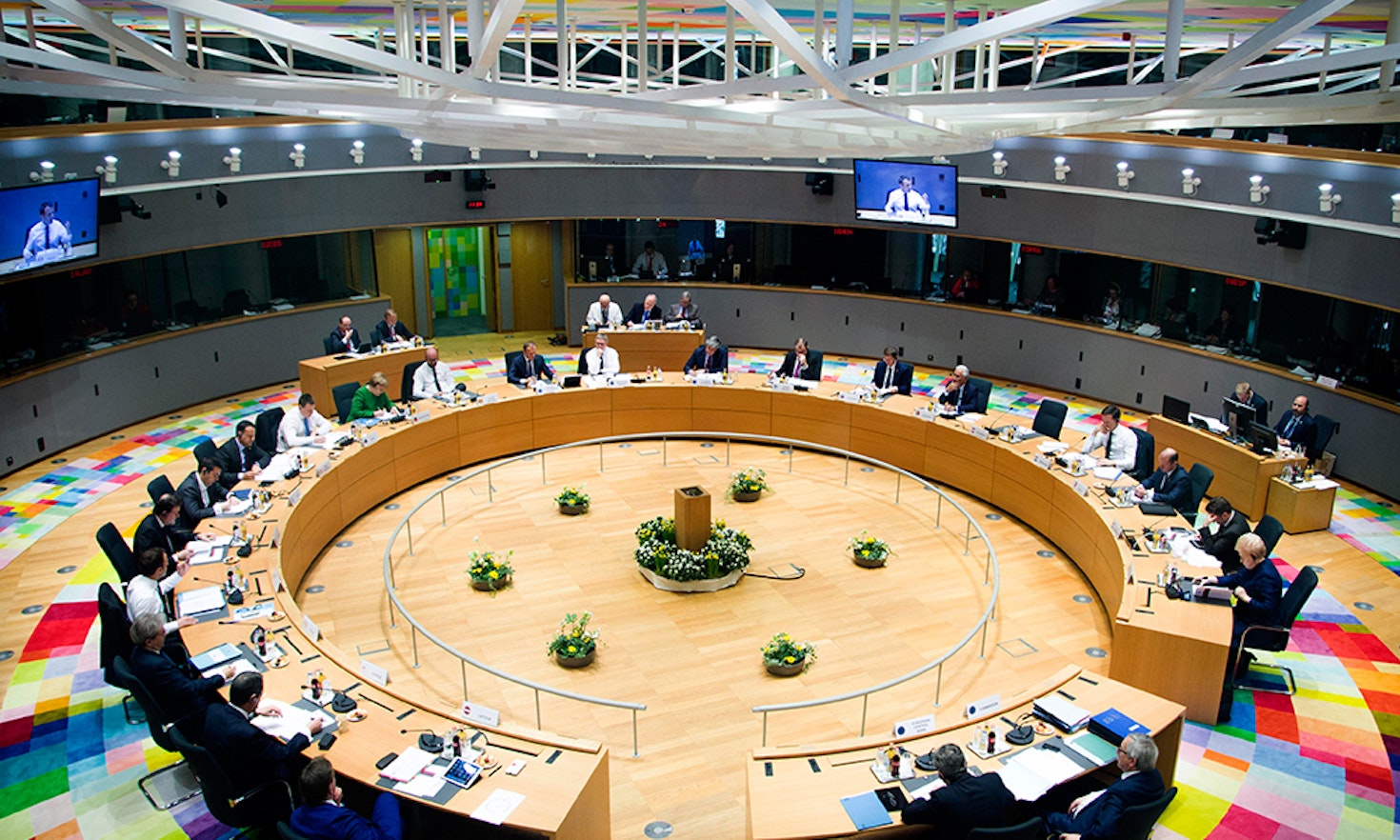
The Council of the European Union (also called the Council of Ministers) represents the governments of EU member states and serves as the EU's most powerful decision-making institution.
Role and key responsibilities
The Council represents national governments and ensures that each country's interests are considered in EU decision-making. It works closely with the European Parliament to adopt EU legislation through the co-decision procedure.
Functions
The Council performs several essential functions in the EU system:
- Negotiates and adopts EU laws jointly with the European Parliament through the co-decision procedure
- Coordinates policies between member states to ensure consistent implementation across the EU
- Concludes international agreements that help the EU achieve its policy objectives in areas like trade, science and technology
- Signs agreements on behalf of the EU after receiving proper authorisation
Structure
The Council's structure reflects the diverse interests of member states:
- Presidency rotates between different member states every six months to ensure fair representation
- 70-80 council meetings take place each year in Brussels and Luxembourg
- National ministers from each member state attend meetings, with attendance depending on the topic being discussed
Power
The Council exercises shared and supervisory power, working mainly in conjunction with Parliament to ensure balanced decision-making across the EU.
Note
The rotating presidency system ensures that smaller member states have equal opportunities to lead EU discussions and set priorities, preventing larger countries from dominating the agenda.
European Parliament
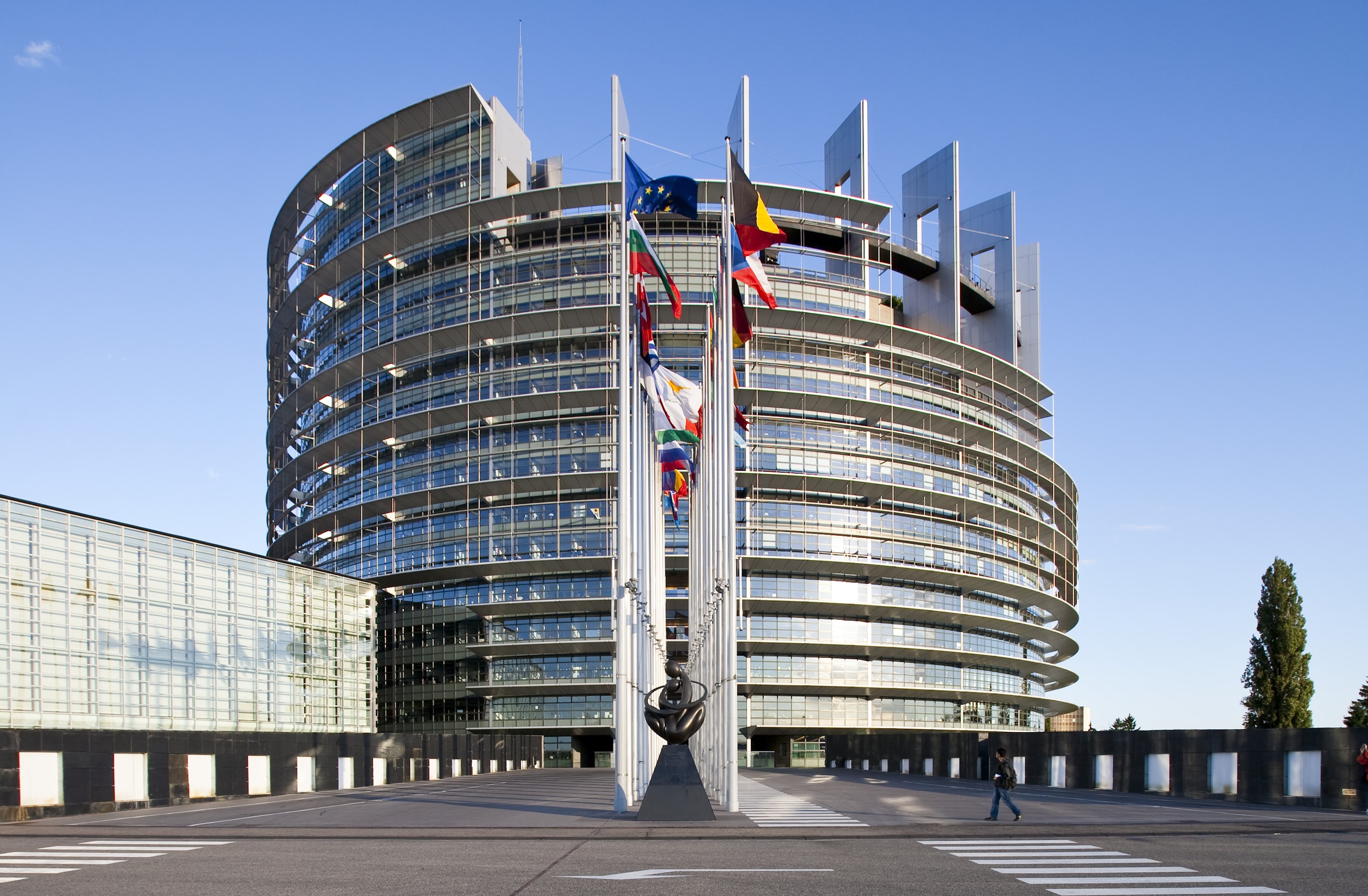
The European Parliament represents the citizens of EU countries directly and provides democratic legitimacy to the EU's decision-making process.
Role and key responsibilities
The Parliament acts as the voice of European citizens and ensures their interests are represented in EU legislation. Its members are directly elected by EU citizens every five years, making it the only directly elected EU institution.
Functions
The Parliament carries out several important democratic functions:
- Prepares reports that can be sent to the entire assembly, taking decisions on European laws jointly with the Council
- Exercises legislative powers by working with the Council to adopt EU legislation through the co-decision procedure
- Holds budgetary powers by agreeing on the annual EU budget alongside the Council
- Oversees EU institutions, particularly monitoring the European Commission's work
- Cooperates with national parliaments on European affairs to maintain democratic connections
Structure
The Parliament has a unique structure that reflects its democratic mandate:
- Directly elected by citizens but suffers from a democratic deficit as it cannot initiate or pass legislation independently
- 720 MEPs (Members of the European Parliament) representing all 27 member states
- MEPs are grouped by political affinity rather than nationality, working in committees that meet twice monthly in Brussels
Important
Democratic Deficit: While the Parliament is directly elected, critics argue that it has less power than national parliaments because it cannot initiate legislation independently. This limitation means that EU citizens have less direct control over EU law-making compared to their national law-making processes.
Power
The Parliament has shared and supervisory powers, exercising democratic oversight over the Commission and holding the right to reject commissioner appointments.
European Central Bank (ECB)
The European Central Bank was established on 1 June 1998 to manage the euro and safeguard its value across the eurozone.
Role and key responsibilities
The ECB serves as the central bank for EU countries that use the euro currency. More than 340 million Europeans across 20 countries rely on the euro for their daily transactions.
Functions
The ECB performs crucial financial functions:
- Maintains price stability by keeping inflation below 2%, helping citizens and businesses plan their spending and saving
- Contributes to banking system safety by supervising eurozone banks to ensure citizens' savings remain secure
- Develops and issues euro banknotes and currency for use across participating countries
- Manages electronic payments by maintaining systems that enable citizens to pay for items electronically or transfer money digitally
Power
The ECB operates with significant independence in monetary policy. EU legislators must consult the ECB when proposing new laws that might affect its operations, though this power was established in the founding treaties and can only be changed through treaty amendment.
Note
ECB independence is crucial for maintaining confidence in the euro. By keeping monetary policy decisions separate from political pressures, the ECB can focus on long-term economic stability rather than short-term political gains.
How the institutions work together
The EU institutions operate through a system of checks and balances that ensures no single institution holds too much power. The co-decision procedure is the main way that laws are made, involving a collaborative process that respects different interests.
Example
How EU Law is Made: The Co-Decision Process
Step 1: The Commission proposes legislation based on its exclusive right of initiative
Step 2: The Parliament and Council review and potentially amend proposals through detailed committee work
Step 3: Both institutions must agree before legislation can be adopted, ensuring broad consensus
Step 4: The Court of Justice ensures laws are properly applied across all member states
Step 5: The ECB manages monetary policy within this legal framework for eurozone countries
This structure ensures that the interests of EU citizens (through Parliament), member state governments (through Council), and the EU as a whole (through Commission) are all represented in decision-making.
Important
The co-decision procedure means that both the directly elected Parliament and the Council representing national governments must agree on legislation. This dual approval system prevents any single level of government from imposing decisions without broader consensus.
Summary
Key Points to Remember:
-
The EU has three main decision-making institutions: the European Commission, Council of the European Union, and European Parliament, which form the institutional triangle
-
The Commission proposes laws and manages EU policies, with 27 commissioners (one from each member state) ensuring equal representation
-
The Council represents national governments and shares legislative power with Parliament, while the Parliament directly represents EU citizens through 720 elected MEPs
-
The European Central Bank manages the euro and maintains price stability for over 340 million Europeans across 20 countries
-
All institutions must work together through the co-decision procedure to ensure balanced and democratic decision-making across the EU