Causes of Climate Injustice (Leaving Cert CASD): Revision Notes
📚Revision Notes
Causes of Climate Injustice
Understanding climate injustice
Note
Definition: Climate injustice occurs when the burdens of climate change are not shared equally across different communities and regions.
This unfairness means that the people who have done the least to cause global warming often experience the worst consequences, while those who have contributed most to the problem can often protect themselves from its impacts.
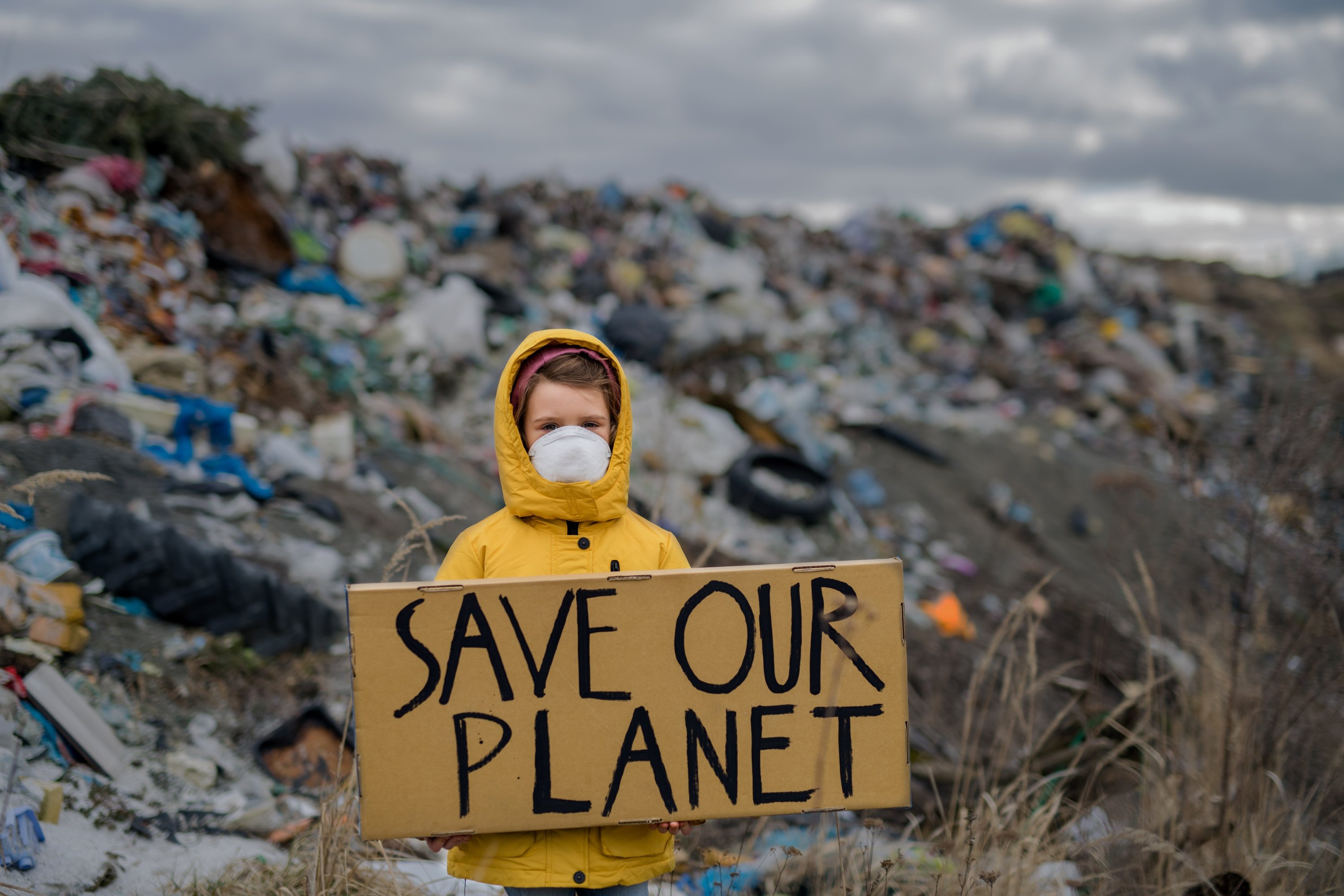
The underlying causes of this injustice are deeply connected to historical, social, and economic systems that have created significant power imbalances between different groups of people. Understanding these root causes helps us see why tackling climate change requires more than just reducing emissions - it also means addressing fundamental inequalities in our world.
Root causes of climate injustice
Growth economy and capitalism
Capitalism focuses on continuous economic expansion, frequently prioritising profit over environmental protection. This economic system drives several key problems:
-
Overproduction and overconsumption lead to increased greenhouse gas emissions
-
The benefits of economic growth become concentrated amongst wealthier groups
-
Meanwhile, poorer communities bear the costs through exposure to pollution, flooding, and forced displacement
This creates a situation where those who profit most from environmentally damaging activities can afford to live away from the worst effects, whilst vulnerable communities cannot escape the consequences.
Extractivism
Important
Extractivism = extracting natural resources (oil, coal, minerals, timber) for export and profit
This practice causes significant environmental and social problems:
-
Leads to deforestation, land degradation, and the displacement of local communities
-
The communities living where resources are extracted often see their environments destroyed whilst receiving little economic benefit
Example
Case Study: Niger Delta Oil Drilling
Oil drilling in the Niger Delta pollutes rivers and farmland, yet the profits mainly flow to foreign companies rather than benefiting local people. This demonstrates how extractivism creates environmental damage while economic benefits flow elsewhere.
Corporations and power imbalance
Large multinational corporations wield enormous economic and political influence that allows them to shape climate policies in their favour:
-
They often use their power to block stronger environmental regulations that might reduce their profits
-
Communities affected by industrial pollution (such as those living near oil refineries) typically have very little political power to challenge these corporations
-
This creates an unequal system where corporate interests often override community needs and environmental protection
Colonialism
The legacy of historical colonialism continues to shape today's unequal global economy in ways that increase climate injustice:
-
Colonial powers exploited lands and peoples for resources, establishing economic relationships that persist today
-
Former colonies remain heavily dependent on exporting raw materials and are particularly vulnerable to climate change impacts
-
Colonial policies often destroyed traditional sustainable land-use systems that communities had developed over centuries
These historical patterns mean that many of the countries most affected by climate change today are also those with the fewest resources to adapt and protect themselves.
Environmental racism
Note
Environmental racism occurs when minority ethnic groups face disproportionate exposure to environmental hazards.
-
Climate disasters also hit marginalised ethnic groups particularly hard because they often have limited resources for preparation and recovery
-
These communities frequently lack the political power needed to demand better environmental protection
Example
Example: Environmental Racism in the United States
In the United States, African American communities are more likely to live near landfills or industrial facilities, demonstrating how environmental hazards are unequally distributed along racial lines.
Racism
Broader patterns of racism reinforce inequalities in access to resources, political representation, and decision-making power:
-
Global climate negotiations often marginalise voices from the Global South, despite these regions facing the greatest climate risks
-
This means that the people most affected by climate change often have the least say in how the world responds to the crisis
Suppression of human rights
Communities that fight for environmental protection frequently face serious threats to their safety and freedom:
-
Environmental defenders often experience intimidation, violence, or imprisonment for their activism
-
This suppression of human rights prevents communities from protecting their local environments and speaking up about injustices they face
Example
Example: Indigenous Activists in Latin America
Indigenous activists in Latin America who oppose mining projects are frequently threatened or killed for their environmental activism, demonstrating how human rights suppression silences those fighting for environmental protection.
Wealth inequality
Global wealth inequality creates a stark contrast between those who cause climate change and those who suffer from it:
-
The richest 1% of the world's population contribute far more emissions than the poorest 50%
-
However, poorer groups face much greater risks from climate change effects like floods, droughts, and food insecurity
-
They also have fewer resources available to help them adapt to changing conditions
-
This inequality exists at global, national, and local levels, reinforcing patterns of vulnerability
Gender inequality
Women are disproportionately affected by climate change due to unequal access to land ownership, credit, and decision-making processes:
-
In many regions, women serve as primary food producers and water collectors, so droughts and resource scarcity significantly increase their workload
-
Despite bearing greater burdens from climate impacts, women's voices are often excluded from climate policy discussions and decision-making processes
-
This exclusion means that climate solutions may not adequately address women's specific needs and knowledge
The interplay of factors
These causes do not operate separately from each other. Instead, they overlap and strengthen one another, creating what researchers call intersectional climate injustice.
Important
Critical Concept: Intersectional Climate Injustice
The interconnected nature of different forms of injustice means that addressing climate injustice requires tackling multiple inequalities at the same time.
Example
Case Study: Indigenous Woman in Rural Community
An Indigenous woman living in a poor rural community may simultaneously face:
-
Extractivism through the loss of traditional lands to mining operations
-
Gender inequality due to lack of decision-making power in her community
-
Racism through discrimination by institutions and policies
-
Wealth inequality because of limited resources for adaptation and protection
This demonstrates how multiple forms of injustice compound each other.
The most vulnerable communities often understand these connections best because they experience multiple forms of injustice simultaneously. Their voices and knowledge are essential for developing effective and fair climate solutions.
Key points for understanding
Climate injustice stems from social, economic, and political systems rather than just environmental changes. Successfully addressing climate injustice means tackling these structural inequalities whilst also reducing greenhouse gas emissions.
Note
Exam Tips: Structure for Root Causes Questions
When writing about root causes of climate injustice, always follow this structure:
-
Define the cause clearly (for example, extractivism equals resource exploitation for profit)
-
Explain the connection between this cause and climate change impacts
-
Identify who benefits from the current system and who suffers from its consequences
-
Provide specific examples where possible (such as Niger Delta oil extraction, US environmental racism affecting African American communities, or women's roles in agriculture)
Summary
Key Points to Remember:
-
Climate injustice results from unequal distribution of climate change burdens, not just environmental factors
-
Nine key root causes work together: capitalism, extractivism, corporate power, colonialism, environmental racism, racism, human rights suppression, wealth inequality, and gender inequality
-
These causes interconnect and reinforce each other, creating intersectional injustices
-
The people who contribute least to climate change often suffer the most from its effects
-
Addressing climate injustice requires tackling structural inequalities alongside emissions reduction