Primary and Secondary Cells (Leaving Cert Chemistry): Revision Notes
📚Revision Notes
Primary and Secondary Cells
Introduction to galvanic cells
A galvanic cell generates electrical energy through chemical reactions occurring at two different electrodes (the anode and cathode). When we connect multiple galvanic cells together, we create what we commonly call a battery. Understanding the difference between primary and secondary cells is crucial for knowing how different types of batteries work and when to use them.
Note
The terms "cell" and "battery" are often used interchangeably in everyday language, but technically a battery consists of multiple cells connected together. A single AA battery is actually just one cell!
Primary cells (non-rechargeable batteries)
Primary cells are designed for single use only. Once the chemical reactions inside these cells are complete, the battery is finished and cannot be recharged. This happens because the chemical reactions that produce electricity are irreversible - meaning they can only go in one direction.
Note
Key characteristics of primary cells:
- Cannot be recharged once depleted
- Chemical reactions are irreversible
- Designed for single use only
- Typically provide 1.5V per cell
- Higher environmental impact due to disposal
Common examples:
- Zinc-carbon batteries - often found in remote controls and wall clocks
- Alkaline batteries - commonly used in torches and household devices
- Lithium batteries - used in some specialised applications
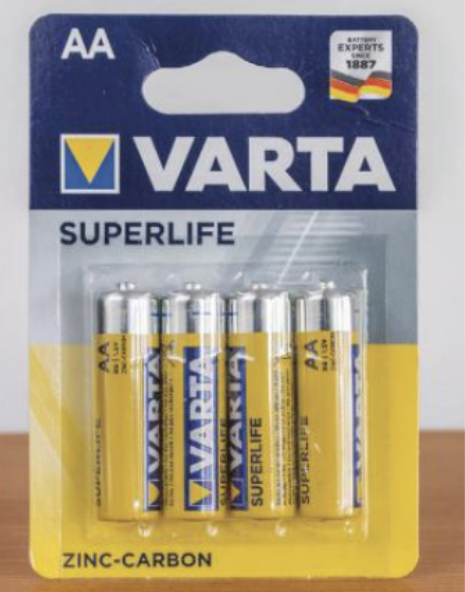
The image above shows a typical example of primary cells - zinc-carbon AA batteries that are designed for single use.
Important
Primary cells must be disposed of properly as they cannot be recharged. Attempting to recharge them can be dangerous and may cause the battery to leak or rupture.
Secondary cells (rechargeable batteries)
Secondary cells can be recharged and reused many times. This is possible because the chemical reactions inside these cells are reversible - meaning they can be made to go in both directions by applying electrical energy from an external source.
Note
Key characteristics of secondary cells:
- Can be recharged when depleted
- Chemical reactions are reversible
- Can be reused multiple times
- Various voltages (3.8V for lithium-ion, 2V for lead-acid)
- Lower environmental impact due to reusability
Common examples:
- Lithium-ion batteries - found in smartphones, laptops, and electric vehicles
- Lead-acid batteries - used in car batteries and backup power systems
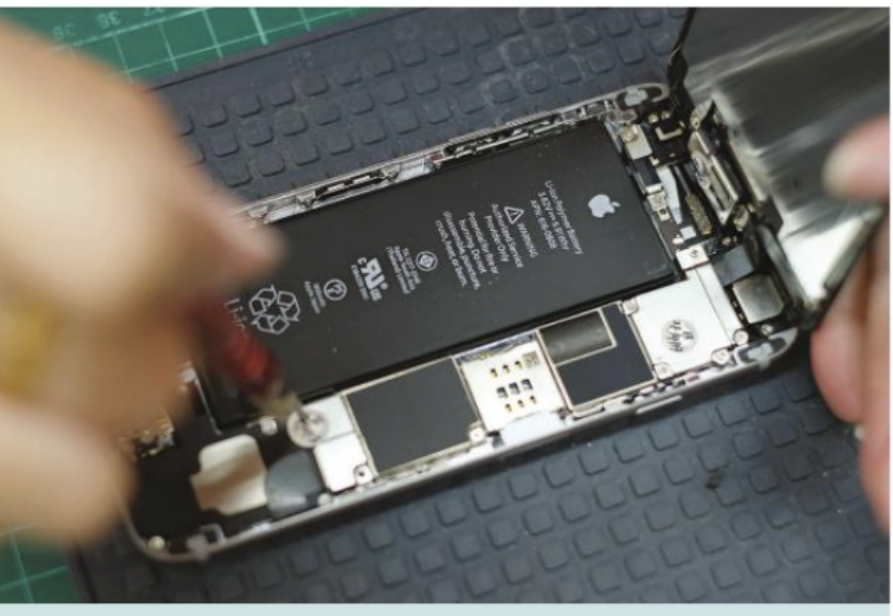
This image shows the inside of a smartphone with a lithium-ion battery, which is a perfect example of a secondary cell that can be recharged hundreds of times.
Comparing primary and secondary cells
The main differences between these two types of cells can be summarised in several key areas:
Rechargeability
- Primary cells: Cannot be recharged - once flat, they must be disposed of
- Secondary cells: Can be recharged repeatedly using an external power source
Chemical reactions
- Primary cells: Involve irreversible chemical changes
- Secondary cells: Use reversible chemical reactions that can be "undone" during charging
Usage patterns
- Primary cells: Single use only, then disposal
- Secondary cells: Multiple uses over extended periods
Voltage levels
- Primary cells: Typically 1.5V per cell
- Secondary cells: Varies by type (3.8V for lithium-ion, 2V for lead-acid)
Environmental considerations
- Primary cells: Higher environmental impact due to frequent disposal
- Secondary cells: Lower environmental impact as they can be reused many times
Real-world applications
Understanding when to use each type of cell is essential for making practical decisions about power sources.
Example
Example Applications for Primary Cells:
- Smoke alarms: Need reliable power for months without maintenance
- Emergency torches: Must work immediately after long storage periods
- Wall clocks: Low power consumption over extended periods
Example Applications for Secondary Cells:
- Smartphones: Daily charging cycle with high power demands
- Electric vehicles: Frequent charging with very high power requirements
- Power tools: Intensive use requiring reliable recharging capability
When to use primary cells:
- Devices used infrequently (smoke alarms, emergency torches)
- Remote locations where charging isn't practical
- Situations requiring long shelf life without use
When to use secondary cells:
- Frequently used devices (mobile phones, laptops)
- High-power applications (electric cars, power tools)
- Situations where environmental impact matters
Understanding voltage and capacity
The voltage of a cell depends on the specific chemical reactions taking place inside it. For example, a typical smartphone contains just one lithium-ion cell with a voltage of about 3.8V, which is sufficient to power the device's electronics. Car batteries, on the other hand, connect six 2V lead-acid cells in series to provide the 12V needed to start an engine.
Example
Worked Example: Car Battery Voltage
Step 1: Identify the individual cell voltage Each lead-acid cell provides 2V
Step 2: Count the number of cells A car battery contains 6 cells connected in series
Step 3: Calculate total voltage Total voltage = 6 cells × 2V per cell = 12V
Summary
Key Points to Remember:
- Primary cells are single-use batteries with irreversible chemical reactions that cannot be recharged
- Secondary cells are rechargeable batteries with reversible chemical reactions that can be used multiple times
- Primary cells typically provide 1.5V, while secondary cells vary (3.8V for lithium-ion, 2V for lead-acid)
- Secondary cells have a lower environmental impact due to their reusability
- Choose primary cells for infrequent use and secondary cells for regular, high-power applications