The Colosseum (Leaving Cert Classical Studies): Revision Notes
📚Revision Notes
The Colosseum
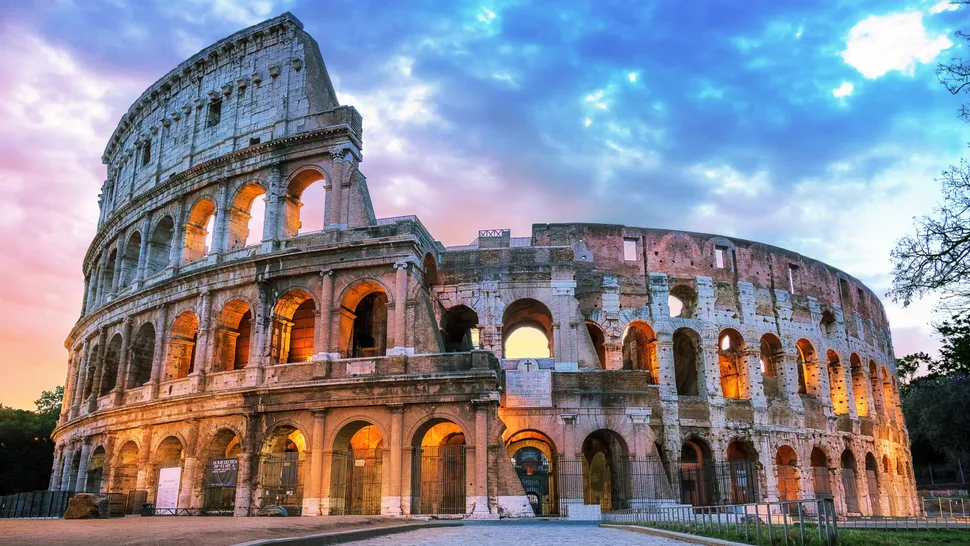
The Colosseum, officially known as the Flavian Amphitheatre, stands as one of Rome's greatest architectural achievements and a symbol of imperial power. This massive entertainment complex demonstrates how the Romans used spectacular shows to control and impress their population.
Note
The name "Colosseum" comes from the colossal statue of Nero that once stood nearby, but the official name honours the Flavian dynasty that built it.
Construction and timeline
The Colosseum's construction spanned three Flavian emperors, showing the importance of this project to the dynasty. Vespasian began the work in 72 AD as part of his efforts to restore Rome after the civil wars. His son Titus completed the main structure by 80 AD and held grand opening games lasting 100 days. Later, Domitian added the finishing touches and modifications to perfect the building.
Important
The choice of location was highly significant. The emperors built the Colosseum on the site where Nero had created his Golden House lake, symbolically returning this land to the Roman people and erasing the memory of the unpopular emperor.
Architectural marvels
Scale and structure
The Colosseum was an oval-shaped amphitheatre capable of holding between 50,000 and 80,000 spectators. This enormous capacity made it larger than most modern football stadiums. The building showcased Roman engineering excellence through its innovative use of concrete and stone construction.
Key features
The four-storey exterior displayed different architectural orders on each level, rising from simple Tuscan columns at ground level to elaborate Composite columns at the top. This progression demonstrated Roman mastery of Greek architectural styles whilst creating their own innovations.
Note
The Velarium System
The velarium was a sophisticated awning system that could be extended across the arena to provide shade for spectators. Sailors from the Roman navy operated this complex system of ropes and pulleys, showing how the building required specialised knowledge to function.
Underground, the hypogeum contained a network of chambers, corridors, and lifts. This hidden world housed gladiators, wild animals, and stage machinery. Elaborate lift systems could suddenly raise animals or scenery into the arena, creating dramatic surprises for the audience.
Multiple entrances and vomitoria (exits) allowed the massive crowds to enter and leave efficiently, preventing dangerous crushing in the corridors.
Example
Engineering Marvel: The Lift System
The hypogeum featured at least 28 lifts operated by counterweights and pulleys. A lift could raise a caged lion from the underground chambers to arena level in seconds, creating a dramatic surprise entrance that would have amazed spectators who had no idea what was coming next.
Social hierarchy and seating
The Colosseum's seating arrangement reflected Roman society's strict social divisions. The closer you sat to the action, the higher your social status.
Senators and the elite occupied the best seats near the arena floor, where they could see every detail of the combat. Ordinary citizens sat in the middle tiers, whilst women and slaves were relegated to the highest, cheapest seats with the worst views.
Important
This arrangement served a political purpose, constantly reminding Romans of their place in society whilst allowing the emperor to display his generosity by providing free entertainment to all social classes.
Entertainment and atmosphere
Types of shows
The Colosseum hosted various spectacular events designed to thrill and amaze the crowds:
- Gladiatorial combat between trained fighters using different weapons and fighting styles
- Venationes (wild beast hunts) featuring exotic animals from across the empire, including lions, elephants, and rhinoceroses
- Public executions of criminals, often staged as mythological scenes
- Naval re-enactments in the early years, when the arena could be flooded
The crowd experience
The atmosphere inside was intense and emotional. Spectators engaged actively through chanting, betting, and cheering. The architecture itself enhanced the drama - animals suddenly appearing through trap doors, the roar of the crowd echoing off the walls, and the smell and excitement of live combat created an unforgettable sensory experience.
Example
A Day at the Games
A typical day might begin with venationes in the morning, featuring trained hunters facing exotic beasts. At midday came the public executions, often recreating mythological deaths. The afternoon climaxed with the main event - gladiatorial combat between skilled fighters, with the crowd's cheers determining life or death for the defeated.
Political motivations
The Flavian emperors had clear political reasons for creating this magnificent venue. The concept of "bread and circuses" (panem et circenses) meant keeping the population fed and entertained to prevent political unrest.
The games served multiple purposes:
- Winning popular support by providing free entertainment
- Displaying imperial power and wealth through the scale and expense of the shows
- Promoting Roman values such as courage, military discipline, and acceptance of death in service to Rome
Note
The emperor's presence at the games allowed direct contact with his subjects, reinforcing his role as provider and protector of the Roman people. This was crucial political theatre - the emperor could gauge public mood and demonstrate his generosity simultaneously.
Written sources and evidence
Several ancient writers provide valuable insights into the Colosseum's significance:
Suetonius recorded the roles of Vespasian and Titus in the amphitheatre's construction, helping us understand the political importance of the project.
Martial wrote poems celebrating the inaugural games, describing the exotic animals and lavish spectacles in vivid detail. His work shows how contemporaries viewed these entertainment extravaganzas.
Cassius Dio documented naval battles staged in the Colosseum, providing evidence for the variety of shows presented there.
Note
These sources help modern historians understand both the political motivations behind the Colosseum and the enormous scale of the spectacles it hosted. However, we must remember that these writers often emphasised the spectacular and exotic to impress their readers.
Summary
Summary
Key Points to Remember:
- The Flavian Amphitheatre was built by three emperors (Vespasian, Titus, Domitian) between 72-80 AD to demonstrate imperial power and generosity
- Advanced engineering features included the velarium awning system, hypogeum underground chambers, and efficient crowd control through multiple entrances
- Seating reflected social hierarchy with senators near the arena and women/slaves in the highest tiers
- Entertainment served political purposes - "bread and circuses" kept the population happy and loyal to the emperor
- Written sources by Suetonius, Martial, and Cassius Dio provide crucial evidence about the Colosseum's construction, games, and political significance