Built Heritage and Conservation (Leaving Cert Construction Studies): Revision Notes
📚Revision Notes
Vernacular and Georgian Architecture
- Vernacular architecture, also called local or native architecture, is an informal style of building that responds to the needs of local people.
- It uses materials available in the local area and follows traditional construction methods.
- The design is influenced by climate, terrain, culture, and the skills of the builder.
- Styles vary from place to place and even within the same country.
Key Principles
- Local needs – Buildings are designed to suit the lifestyle and requirements of the community.
- Local materials – Structures are made using resources available in the area (e.g. stone, mud, turf, timber, reeds, straw, ice, animal skins).
- Local traditions – Construction methods follow established regional techniques.
Characteristics
- Usually modest in scale, enough to house occupants.
- Simple design and limited range of materials.
- Not standardised – design depends on available materials, local climate, terrain, and builder's skill.
- Environmentally sustainable – materials do not need long-distance transport and are often waste products or naturally abundant.
- Harmonise with the local landscape.
Examples
- Tipi – Timber frame covered with animal skins. Mobile structure for nomadic Native Americans of the Great Plains.
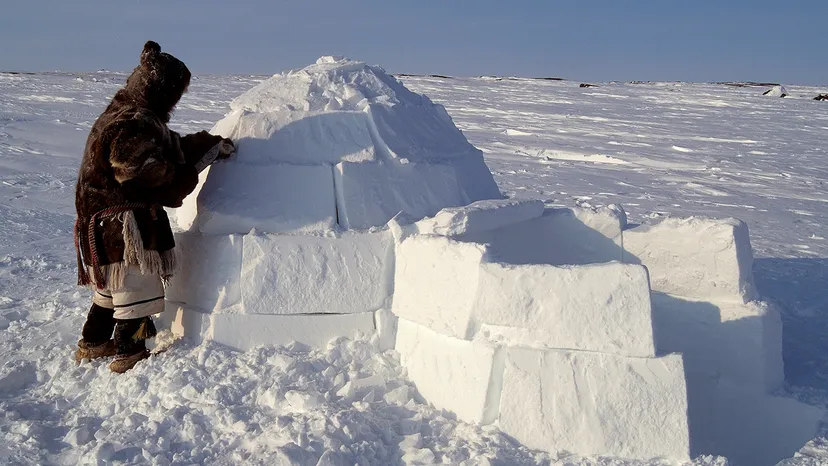
- Igloo – Ice-block structure for Inuit people, providing insulation in freezing conditions.
- Irish thatched cottage – Built from clay, mud, stone, or turf. Roof thatched with reeds, sedges, or straw from crops. Symbol of Irish rural heritage.
West Coast Dwellings
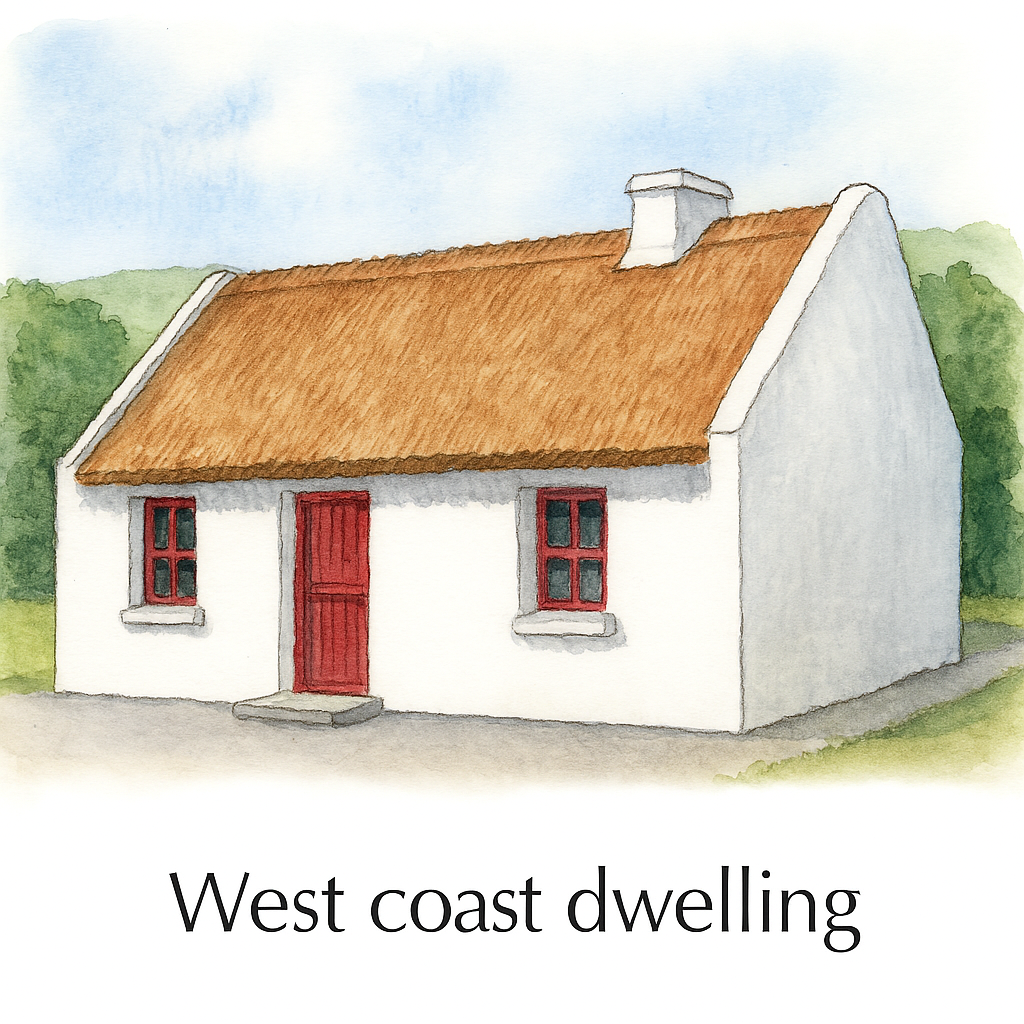
- Traditional west coast dwellings were modest and simple.
- Most had one main room, used by the family for cooking, eating, and sleeping.
- In bad weather, animals were often brought inside, with the lower part of the house used for shelter.
- Houses were often built on a slope. Wealthier families sometimes had a separate byre attached to the house.
- Walls were built using stone with lime mortar, or sometimes mud or peat. Exteriors were usually limewashed white.
- Interiors were sparsely furnished, with storage often provided by recesses built into the walls.
- Many had a loft for extra sleeping space.
- Roofs were usually thatched, but slate was sometimes used in wealthier homes, especially along the coast.
- The gable end of the house was built facing the prevailing wind for protection.
- These dwellings were most common in Munster and Connacht, with some examples in Ulster.
East Coast Dwellings
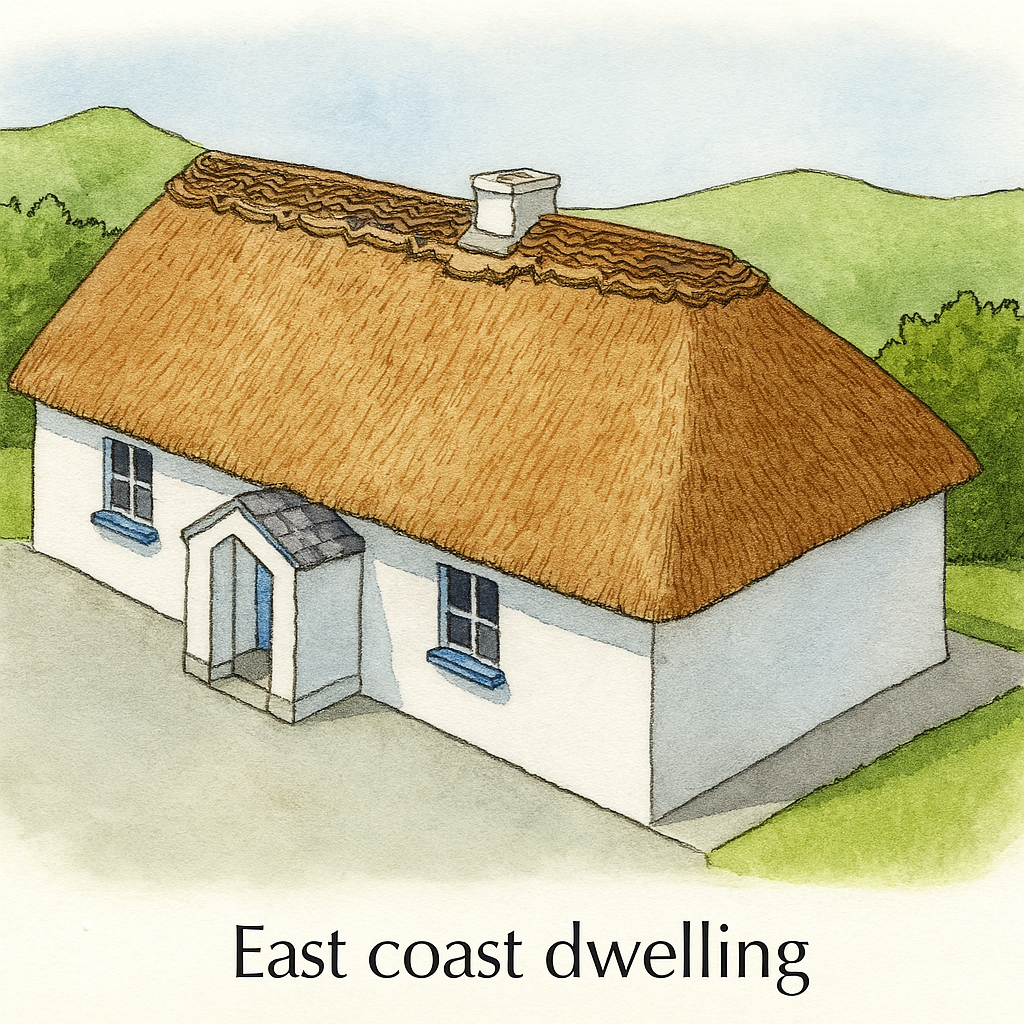
- East coast homes were generally more elaborate because of the milder climate, better farmland, and greater wealth in the region.
- Houses had more rooms, and some had full lofts above the ground floor.
- Wealthier homes were lime-rendered both inside and out.
- Walls were built from stone and coated with lime render to allow moisture to evaporate, preventing condensation and mould.
- Roofs were often half-hipped or hipped.
- East coast dwellings often had separate living and sleeping spaces, unlike the single-room layouts of the west.
- The living space was usually arranged around a central hearth.
- These houses were most common in Leinster and parts of Ulster.
- Interiors were better furnished, reflecting the greater wealth of the owners.
Lime Render
- Lime render has been used for over 10,000 years as a protective and breathable wall finish.
- It is made from a mix of lime, sand, and water.
- The traditional ratio is one part lime to 2.5–3 parts sand.
- Coarse sand is preferred to reduce cracking.
- Lime render allows moisture to pass through walls, controlling humidity and preventing condensation and mould.
Development of Cottage Style
- Over time, many cottages were extended or given a second storey, often with the help of grants.
- These improved homes were sometimes called "thatch mansions."
- Thatch was sometimes replaced with slate on the main dwelling.
- Corrugated iron was often used for the roofs of surrounding outbuildings.

Classical Style Architecture
- Time Period: Arrived in Ireland around the turn of the 18th century.
- Who Built Them: Rich landlords who extended their homes or built new dwellings to add to their estates.
- Design:
- Simple, usually two storeys high.
- Visitors entered into a hallway, with all rooms accessible from it (unlike the standard cottage where entry was into the kitchen).
- Features:
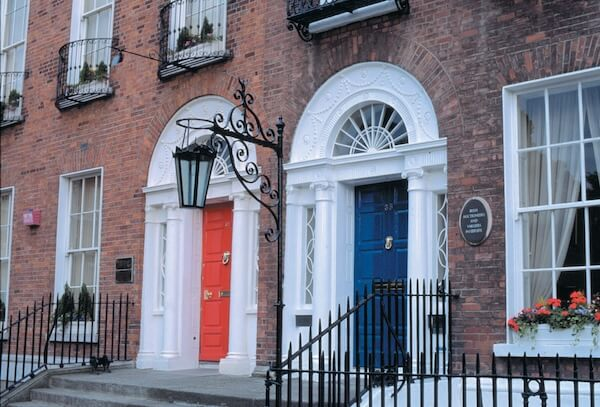
- Wooden panelled doors with fanlights above.
- Sliding sash windows, three bays across.
- Rendered walls, sometimes painted.
- Roofs were slated and sometimes hipped.
- Key Principle:
- Proportion was essential.
- All elements - windows, doors, heights - were built to set ratios for aesthetic balance.
- Influence:
- Inspired by Palladian architecture, based on the work of Italian architect Andrea Palladio.
- Followed symmetry, perspective, and principles of ancient Roman architecture.
- Irish Examples:
- Bessborough House, Co. Kilkenny.
- Leinster House, Dublin.
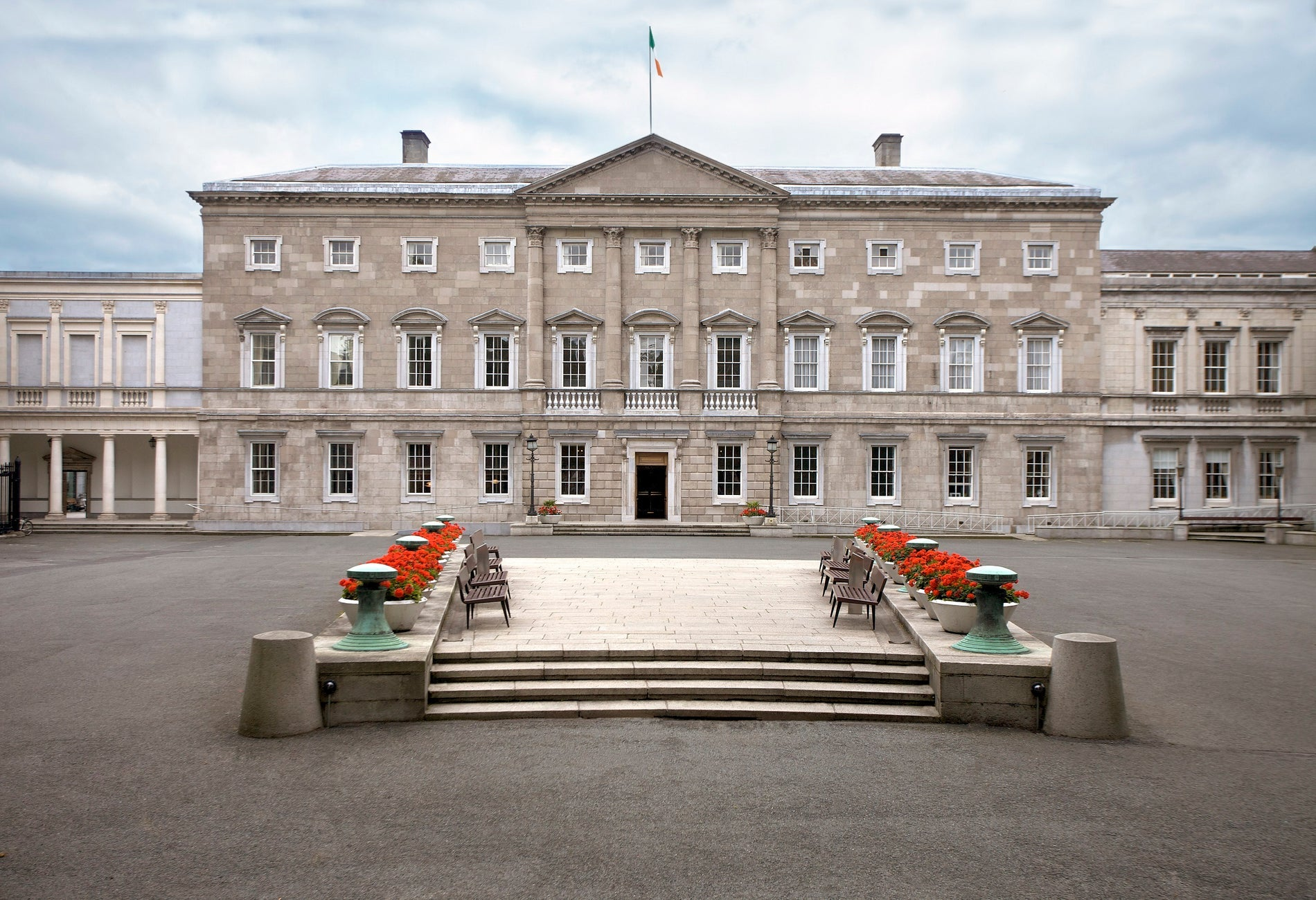
Georgian Architecture
- Where Found:
- Common in cities like Dublin (Merrion Square), Limerick (Pery Square), and other urban areas.
- Houses were often arranged around squares or in terraces.
- Design:
- Four storeys high over a basement.
- Reception rooms located on the first floor.
- In midlands and east, façades often clad in brick.
- Windows:
- Sash windows with multiple glass panels, giving height and proportion to the façade.
- Upper storey windows were shorter to maintain proportion when viewed from the street.
- Doors:
- Doors were focal points, often with pillars or windows beside them.
- Half-circular fanlights were common above doors.
- Decorative steps and iron railings often led up to the entrance.
- Materials:
- In Dublin, brick was often surplus ship ballast from England.
- In other regions, buildings followed the Georgian style but used local materials instead of brick.
- Overall Look:
- Elegant, symmetrical façades.
- Simple front elevation with windows and doors as the main decorative features.