Fireplace and Chimney (Leaving Cert Construction Studies): Revision Notes
📚Revision Notes
Fireplace and Chimney
- Fireplaces have been a central feature of homes for centuries, valued for both their aesthetic and functional qualities.
- They can be traditional or modern in design, but all require a chimney to remove smoke and gases from the building.
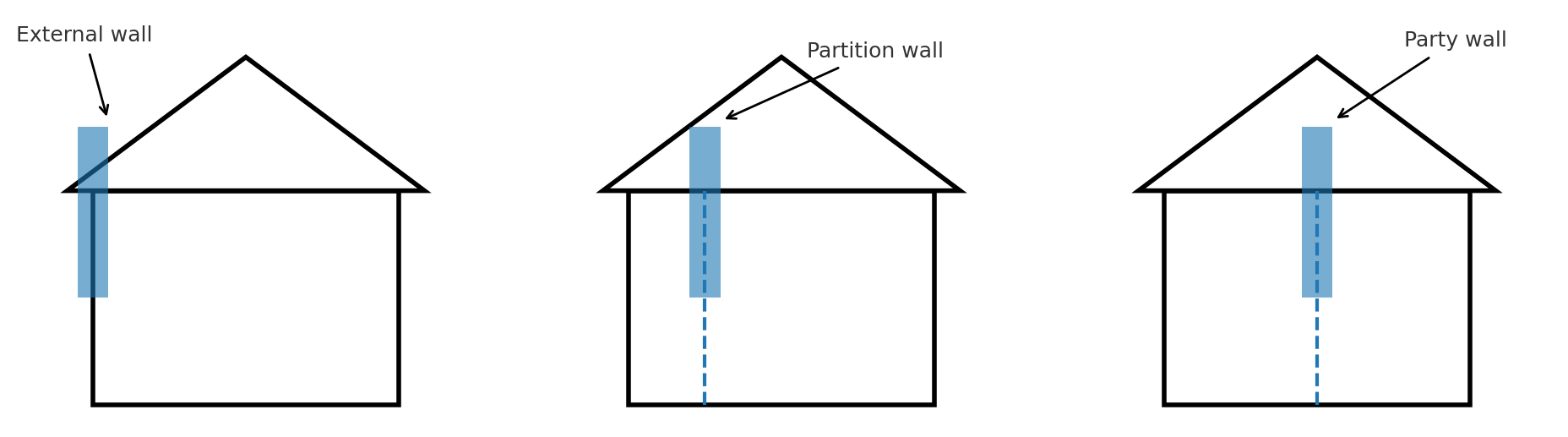
- Chimneys can be placed internally (within external, partition, or party walls) or externally (freestanding or with an external flue).
Functions of a Fireplace
- Generate Heat Safely
- Built from non-combustible materials such as ceramics or concrete, which can withstand high temperatures.
- Well-insulated at the back to reflect heat into the room instead of losing it through walls.
- Extract Smoke and Gases
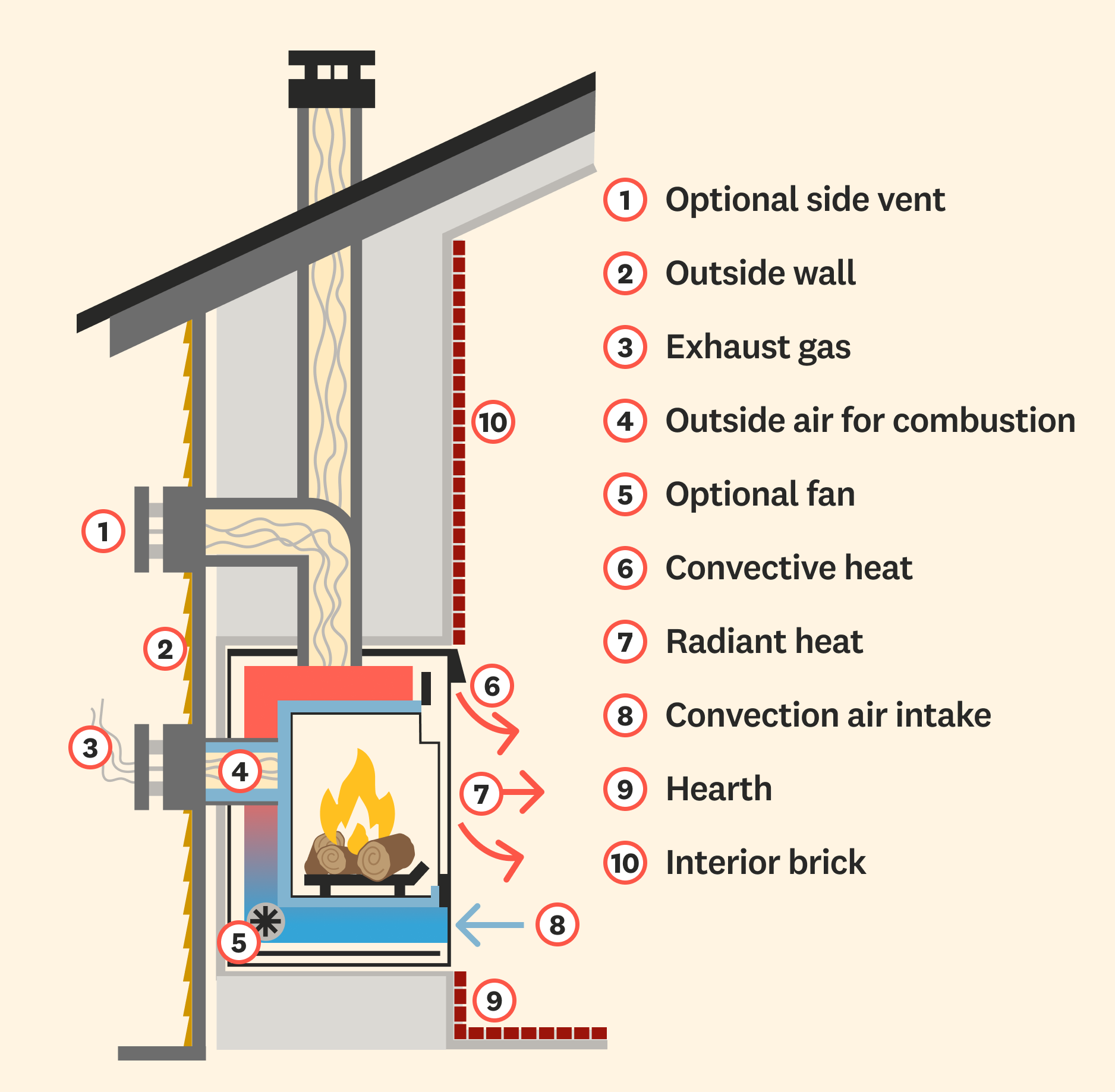
- The chimney uses draught (created by flue height and air pressure differences) to pull smoke and gases upward.
- Flue must be the correct width — too wide and draught will weaken, reducing efficiency.
- Burn Fuel Efficiently
- A well-designed grate allows air to circulate under the fuel, enabling hotter, cleaner burns.
- Open fires can lose up to 80% of their heat because of the open design.
Heat Loss
- Heat escapes up the chimney along the same route as smoke.
- Only around 25% of the heat from an open fire reaches the room.
- Additional loss depends on insulation quality.
Chimney Placement Options
- External wall – Built into an outside wall.
- Partition wall – Between rooms, not an external wall.
- Party wall – Shared wall between adjoining houses.
- Freestanding – Independent of the house walls.
- External flue – Metal or other external flue pipe attached outside the building.