Conservation (Leaving Cert Construction Studies): Revision Notes
📚Revision Notes
Conservation
What is conservation?
Heritage conservation works to protect and preserve historically significant man-made buildings and structures.
The main goal of conservation is to prevent historic buildings from deteriorating whilst returning them to their original condition. This requires a precise approach guided by established principles.
Note
Conservation is not just about maintaining old buildings - it's about preserving Ireland's cultural identity and history for future generations to experience and learn from.
Core principles of conservation
Conservation work follows three fundamental principles, often called the "3 R's":
Research
Thorough investigation must be completed before any conservation work begins. This research provides essential information about the building's history, construction methods, and materials used.
Restore
Repair work is always preferred over replacement. Original features should be carefully repaired to match their appearance when the building was first constructed. This maintains the building's authentic character.
Respect
The building's role within its surrounding environment must be considered. Proper research enables the building to be restored in a way that complements and enhances its local setting.
Important
Following these principles ensures buildings are conserved to high standards. Success depends on understanding and respecting traditional construction methods and materials.
Conservation approaches
There are two main methods for conserving historic buildings:
Restoration
This involves refurbishing the building to return it to its original state. Traditional methods and materials are used wherever possible.
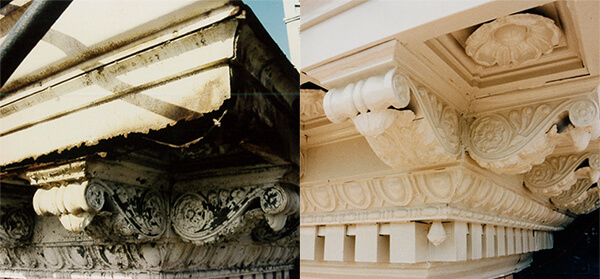
Example
Restoration Example: Historic Mill
An old mill might be restored using the same techniques and materials that were originally employed:
- Stone walls repaired using traditional lime mortar
- Original timber beams restored rather than replaced
- Water wheel mechanism rebuilt using period-appropriate materials
- Roof tiles sourced to match original clay tiles
Reconstruction
This approach involves rebuilding using complementary or sympathetic materials, which may include modern elements. The building clearly shows both old and new sections, and the changes are not hidden. The building's function may also be altered during reconstruction. This method allows historic buildings to be adapted for contemporary use whilst preserving their heritage value.
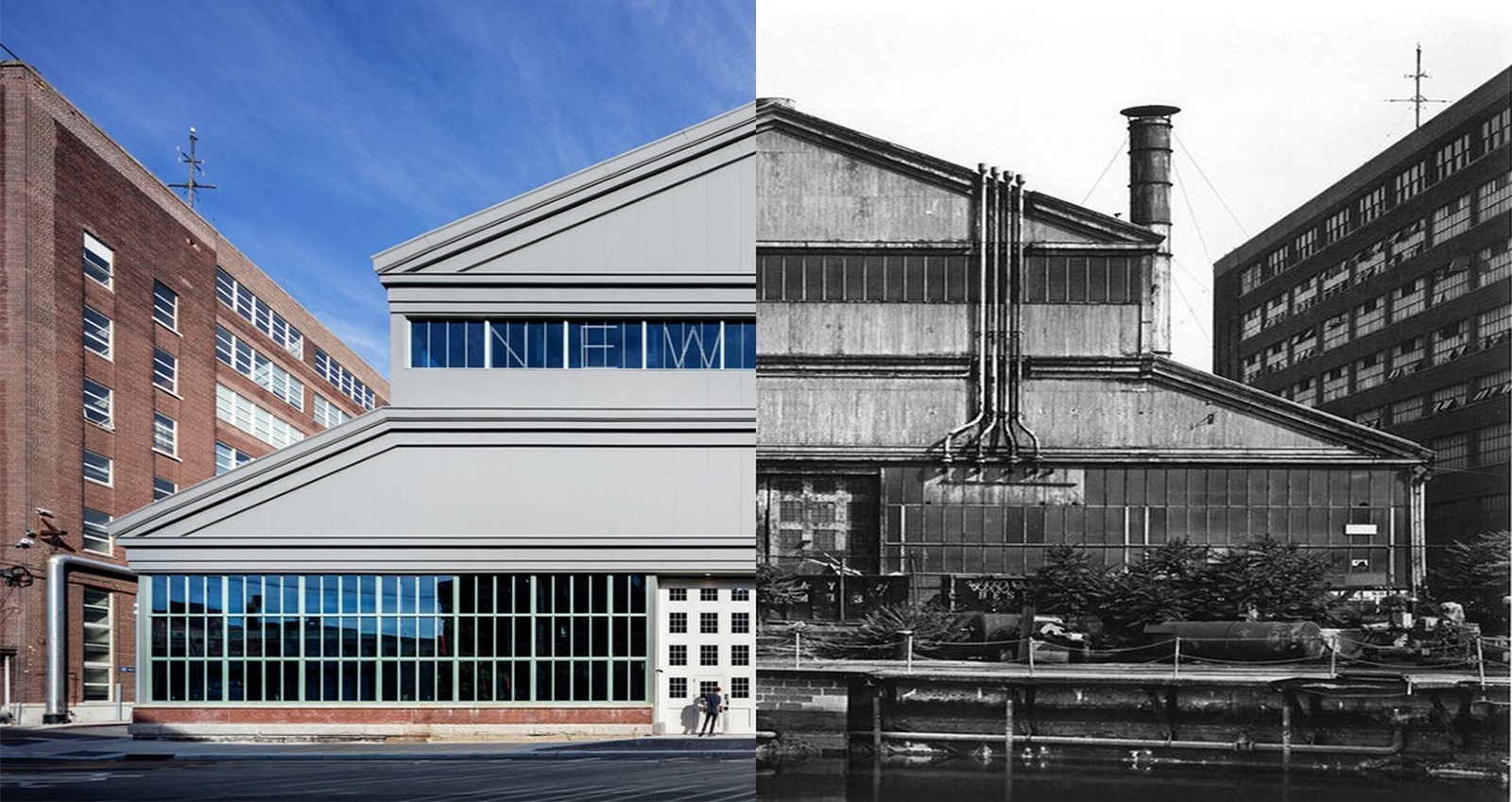
Example
Reconstruction Example: Adaptive Reuse
A historic warehouse might be reconstructed as modern apartments:
- Original brick facade preserved and restored
- New steel and glass sections clearly visible as modern additions
- Interior completely redesigned for residential use
- Modern amenities integrated while respecting historic character
Government organisations protecting built heritage
Office of Public Works (OPW)
Role: State property management and conservation Establishment: 1831 Key Functions:
- Manages and maintains over 2,000 state properties
- Operates 70+ heritage sites including national monuments
- Provides accommodation for government departments
- Undertakes major conservation projects on state buildings
Local Authorities
Role: Local heritage protection and planning control Key Functions:
- Maintain Record of Protected Structures (RPS)
- Process planning applications affecting heritage buildings
- Enforce heritage protection legislation
- Administer local heritage grants and schemes
National Inventory of Architectural Heritage (NIAH)
Role: Building survey and heritage assessment Establishment: 1990 Key Functions:
- Surveys buildings constructed from 1700 onwards
- Assesses architectural and historical significance
- Recommends buildings for RPS inclusion
- Maintains national database of architectural heritage
An Chomhairle Oidhreachta (The Heritage Council)
Role: the public body in Ireland responsible for promoting and managing the country's national heritage. Key Functions:
- Provides policy advice on heritage matters
- Supports community heritage projects
- Promotes heritage awareness and education
- Funds heritage research and conservation initiatives
Record of Protected Structures (RPS)
The RPS is a comprehensive list maintained by local authorities. It contains structures and buildings that are considered excellent examples of architecture from specific periods or possess significant architectural merit based on established criteria.
Important
Buildings listed on the RPS receive legal protection from inappropriate alteration or demolition. 
Non-governmental heritage organisations
Civic trusts
These independent charitable organisations:
- Recognise and protect architecturally valuable buildings
- Work to identify, conserve, and repair buildings of merit
- Operate independently from government but often collaborate with official bodies
An Taisce
This independent body focuses on environmental protection:
- Monitors the application of European environmental legislation at local level
- Promotes sustainable living and environmental awareness through education programmes
- Acts as policy consultants for waste management and natural environment protection
Summary
Key Points to Remember:
- Conservation protects Ireland's built heritage through careful restoration and preservation of historically significant structures
- The 3 R's guide all conservation work: Research thoroughly, Restore rather than replace, and Respect the building's environment
- Two main approaches exist: Restoration returns buildings to original state using traditional methods, whilst reconstruction combines old and new elements
- Multiple organisations share responsibility: NIAH identifies heritage buildings, local authorities maintain RPS lists, and various bodies from OPW to civic trusts contribute to protection efforts
- Legal protection exists through the Record of Protected Structures system, which prevents inappropriate changes to listed buildings