Internal Design (Leaving Cert Construction Studies): Revision Notes
📚Revision Notes
Internal Design
The internal layout of a home determines how rooms are used and affects the overall functionality of the dwelling. A poorly designed layout can lead to wasted space, poor circulation between rooms, and higher energy costs. In contrast, a well-planned layout supports everyday activities, improves comfort, and helps reduce running costs.
Internal design should work alongside external layout considerations to create a cohesive living environment. The positioning and organisation of internal spaces directly impacts daily living patterns and energy efficiency.
Note
The relationship between internal design and external layout is crucial - they must work together to create a truly functional and comfortable home environment.
Room orientation and solar gain
Proper room orientation maximises solar gain and natural lighting throughout the home. The key principle involves positioning frequently used daytime areas towards the southern face of the building, allowing these spaces to benefit from natural illumination and solar heating during the day.
Different rooms should be strategically located based on their primary usage times:
- Living areas work best when they can capture maximum light during their peak usage periods
- The arrangement should consider both morning and evening sun patterns
- Central utility areas like hallways and storage can occupy north-facing positions
Important
This approach reduces energy costs while creating more pleasant living environments through better use of natural light. Proper orientation can significantly impact both comfort and running costs throughout the home's lifetime.

Kitchen layout
The kitchen functions as one of the most important rooms in any home, requiring careful planning to ensure efficient operation. Understanding the main kitchen functions helps create better layouts that support daily cooking activities.
Kitchen functions
The three primary kitchen functions are:
- Food storage - refrigeration and pantry space
- Food preparation and cooking - work surfaces and cooking facilities
- Clean-up area - washing and waste management
Work triangle concept
Effective kitchen design centres around the work triangle, which connects the sink, cooker, and fridge in a triangular arrangement. This configuration minimises movement during cooking tasks and creates an efficient workflow.
Important
Work Triangle Requirements:
For the work triangle to function properly:
- Each side should be between 1.2 metres and 2.7 metres, with the total perimeter of the triangle (sum of all three sides) ranging from 4 to 8 metres.
- The triangle should not be interrupted by foot traffic passing through.
- Work surfaces are needed on both sides of the cooker.
- The distance between sink and cooker must be less than 2 metres.
Planning should also consider appliance positioning alongside the task areas, with electrical outlet locations determined once appliance positions are finalised.
Dining room
The dining area typically connects directly with the kitchen, creating a natural flow between food preparation and consumption. Dining rooms can be either formal or informal, depending on the household's lifestyle and preferences.
Formal dining rooms generally feature high-quality furnishings and are reserved for special occasions rather than everyday meals. The lighting design in dining areas differs from other rooms, focusing illumination on the dining table rather than providing general room lighting. This creates an intimate atmosphere for meals and conversation.
Note
Dining room lighting should be planned to create ambiance - consider pendant lights or chandeliers positioned directly over the dining table for optimal effect.
Living room
The living room serves as a multipurpose gathering space for various family activities including relaxation, study, television viewing, and conversation. Since this room experiences heaviest use during evening hours, it should be positioned to capture maximum light from the evening sun.
The specific layout depends on the occupants' lifestyle and preferences. Different activity zones within the living room may need to accommodate various functions simultaneously. Traditionally, fireplaces or hearths serve as focal points that help organise furniture arrangements and create comfortable gathering areas.
Note
Consider creating distinct zones within larger living rooms - a conversation area around the fireplace, a TV viewing area, and perhaps a reading corner near windows for natural light.
Bedrooms
Bedroom positioning ideally takes advantage of morning sunlight, though this is not always essential since most bedroom use occurs during nighttime hours when natural light is unavailable. In modern Irish homes, master bedrooms commonly include en suite bathroom facilities for privacy and convenience.
Other factors influencing bedroom location include:
- Proximity to children's rooms and bathrooms - for family convenience and supervision
- Availability of attic space - for additional sleeping areas or storage
Important
The master bedroom's en suite arrangement requires early planning to ensure proper plumbing and electrical services are incorporated during construction. This cannot be easily added later without significant expense and disruption.
Bathroom
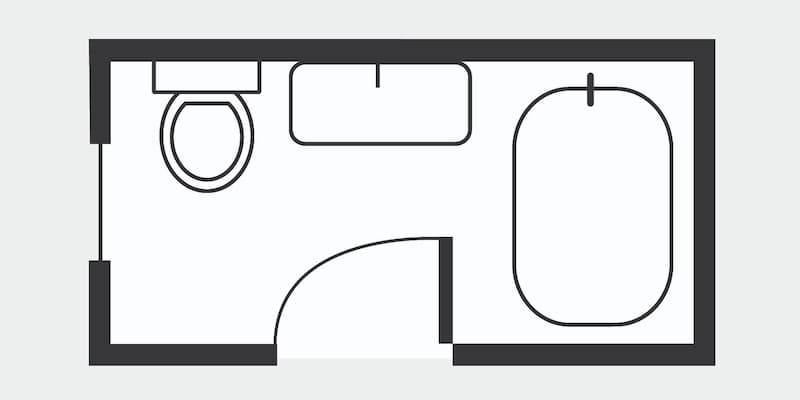
Bathroom layout requires advance planning because sanitary fixtures including toilets, sinks, and baths/showers all need plumbing services. These services must be planned during the wall construction phase since they become difficult or impossible to relocate later.
Unlike furniture in other rooms that can be rearranged, bathroom fixtures represent permanent installations that significantly impact the room's functionality. Proper planning ensures efficient use of space while accommodating all necessary facilities and maintaining comfortable circulation areas.
Important
Critical Planning Point: Plan bathroom layouts early since plumbing for sanitary fixtures cannot be easily moved after construction. This is one of the most expensive mistakes to correct later in the building process.
Hallway
The hallway functions as a transition space between outdoor elements and the comfortable interior environment. Beyond this transitional role, hallways provide essential access to stairs and ground floor rooms, making them crucial circulation areas that connect different parts of the home.
Effective hallway design balances space efficiency with accessibility, ensuring smooth traffic flow without wasting valuable floor area that could be allocated to living spaces.
Note
While hallways are necessary circulation spaces, they should be designed efficiently to avoid wasting valuable floor area that could be better used for living spaces.
Utility room
Utility rooms may or may not be included in modern home designs, depending on space availability and family needs. When present, these functional areas typically house washing machines and dryers, requiring adequate ventilation to manage moisture and heat generated by these appliances.
Utility rooms may also incorporate additional facilities such as water closets or secondary bathroom facilities, making them multifunctional service areas that support the main living spaces.

Important
The Value of Planning: Time invested in thorough planning during the design phase leads to faster and more efficient construction. Poor planning inevitably leads to delays, cost overruns, and quality issues during the build phase.
Summary
Key Points to Remember:
- Position frequently used daytime rooms towards the south to maximise natural light and solar heating
- The kitchen work triangle (sink, cooker, fridge) should have sides no longer than 6 metres and remain uninterrupted by foot traffic
- Plan bathroom layouts early since plumbing for sanitary fixtures cannot be easily moved after construction
- Living rooms should capture evening sun since they are primarily used during those hours