Project Planning (Leaving Cert Construction Studies): Revision Notes
📚Revision Notes
Project planning
Understanding project planning
Project planning is a crucial stage that occurs after site selection and surveying. Think of a building site as a temporary factory designed to produce a house. This process involves coordinating three essential elements: people (manpower), finances (money), and building supplies (materials).
Effective project planning means researching and organising all the different factors involved in construction. This systematic approach is often called project management. The key is spending adequate time during the planning phase to determine where, when, and how the structure will be built.
Important
The success of any construction project depends heavily on the quality of planning undertaken before work begins on-site. Poor planning leads to delays, cost overruns, and quality issues.
Benefits of thorough planning
Good preparation during the planning stage delivers several important advantages:
- Faster construction progress - Work flows more efficiently when properly organised
- Cost savings - Anticipating problems and finding solutions before they occur on-site reduces expenses
- Better material management - Supplies arrive exactly when needed, preventing site overcrowding
- Timely deliveries - Materials reach the site at the right moment, keeping work progressing smoothly
- Stakeholder coordination - All major participants understand their roles and requirements from the start
Note
Research shows that every hour spent in proper planning can save up to 10 hours during the construction phase. This demonstrates why thorough preparation is essential for project success.
Building documents and communication
Modern construction requires clear graphical communication to ensure all team members understand exactly what is being built. Unlike traditional building methods that relied on local materials and established techniques, today's complex projects need detailed documentation.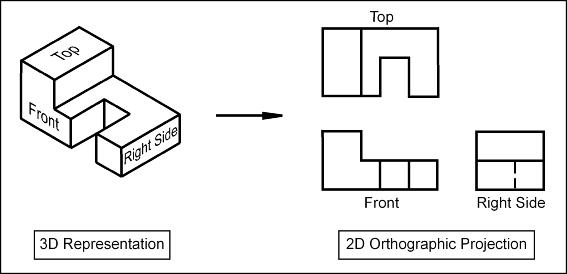
Architectural drawings
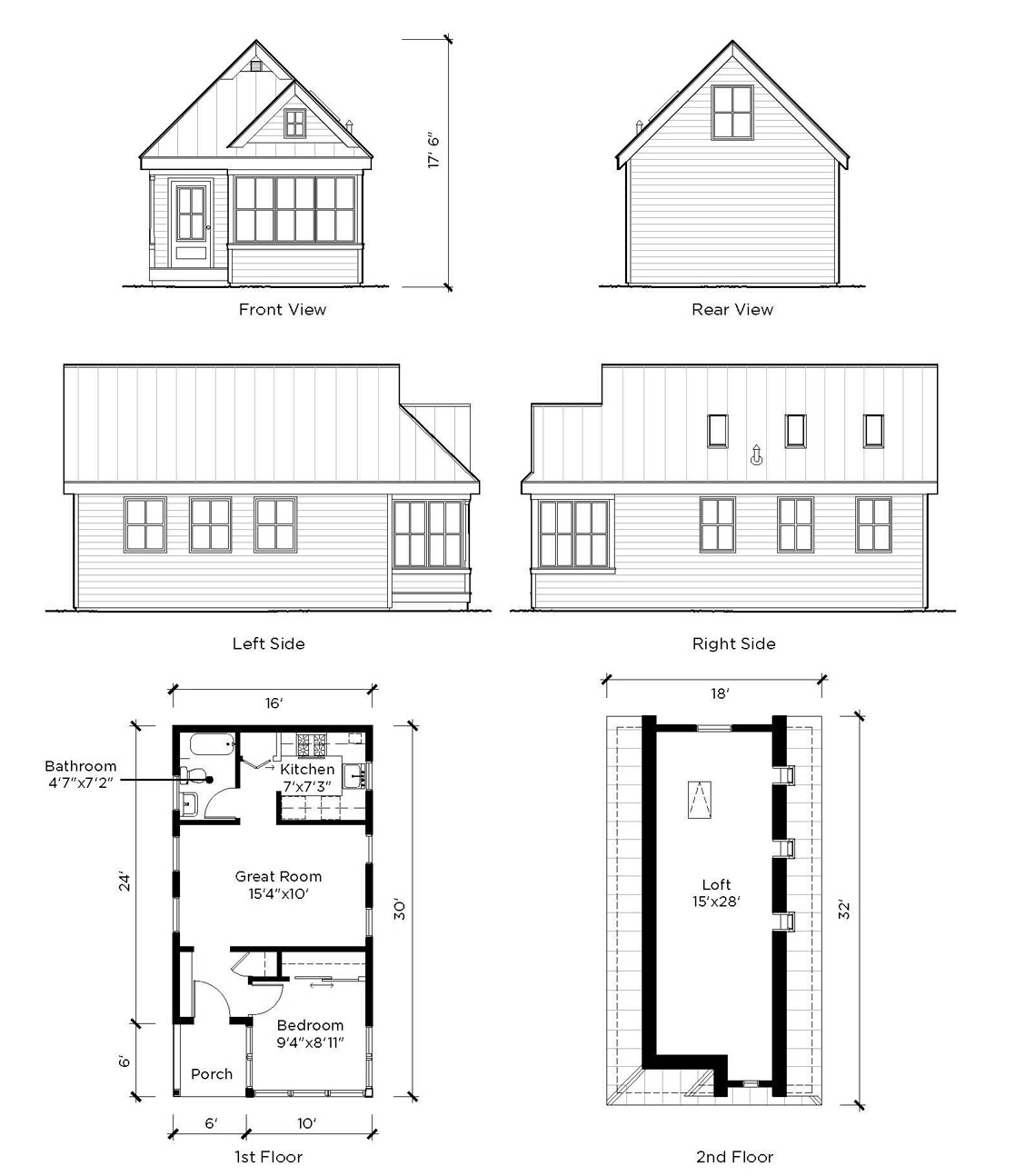
The primary method of communication uses orthographic projection through architectural drawings. This technical drawing system presents multiple views of the building and combines them into one comprehensive set of plans.
A complete set of architectural drawings typically includes:
- Ground floor plans - Showing room layouts, dimensions, and spatial relationships
- Elevation views - Displaying the external appearance from different angles (front, rear, sides)
- Section views - Revealing internal structure and vertical relationships
- Detail drawings - Providing specific construction information for complex areas
Construction team roles
Building projects require diverse expertise from both professional services and skilled tradespeople. Understanding these roles helps in planning and coordination.
Professional services
Architect - Leads design and planning activities while overseeing the construction site during building work.
Architectural technologist - Translates the architect's design concepts into detailed technical drawings and working plans.
Structural engineer - Designs the building's structural framework, particularly important for buildings with large or unusual loads.
Surveyor - Establishes precise site boundaries and positioning markers for accurate construction layout.
Quantity surveyor - Analyses and estimates construction costs, including both labour and materials. Also conducts property surveys to identify defects.
Health and safety consultants - Develop safe working practices and site guidelines, verify worker certifications, and ensure proper safety signage.
Mechanical and electrical engineers - Design and oversee installation of building services including electricity, water, heating, and ventilation systems.
Important
Each professional service provider has specific qualifications and legal responsibilities. Ensuring the right professionals are engaged at the appropriate stages is crucial for project compliance and success.
Skilled tradespeople
The construction process requires numerous specialised trades, each contributing specific skills:
- Steel fixer - Cuts, bends, and positions reinforcing steel within concrete structures
- Scaffolder - Erects and maintains scaffolding systems (requires specific construction skills certification)
- Bricklayer/blocklayer - Constructs the building's walls and superstructure
- Roofer - Specialises in roof construction and weatherproofing
- Carpenter - Works with timber for formwork, partitions, stairs, and roof structures
- Plumber - Installs water services and heating systems throughout the building
- Electrician - Handles all electrical installations (must be certified)
- Plasterer - Applies plaster finishes to walls and creates decorative mouldings
- Painter and decorator - Completes final painting and decorative finishes
Note
Many trades require specific certifications and licenses. Always verify that tradespeople have appropriate qualifications before allowing them to work on your project.
Legal and financial considerations
Once the construction site has been selected, several important legal and financial matters must be addressed before building can commence.
Financing the project
Most construction projects require long-term financing through a mortgage, which is available from various financial institutions. This loan typically covers both land purchase and construction costs.
Note
A mortgage is a loan taken out to buy a property, where the property is used as security. If the loan isn't repaid, the lender can take back the property.
Legal requirements
A solicitor must be consulted to handle the legal aspects of the project. Their responsibilities include:
- Ensuring proper land registration in the purchaser's name
- Advising on stamp duty obligations
- Managing the legal transfer of property ownership
Important
Stamp duty is a tax levied on land and property purchases. This cost must be factored into the overall project budget from the planning stage, as it can represent a significant expense that many first-time developers overlook.
Insurance requirements
Construction projects involve significant risks that must be managed through appropriate insurance coverage.
Note
Insurance is a financial agreement where a person or company pays regular amounts (called premiums) to an insurance provider, in return for protection against specific risks. In construction, insurance helps cover the cost of damage, loss, or accidents during or after building work. If a problem occurs, the insurer pays out money to cover the costs, depending on what's included in the policy.
During construction
Insurance is legally required while building work is taking place. This coverage protects against damage or accidents that might occur on-site. Typically, the builder or contractor arranges this insurance, though the developer may also secure additional coverage.
After completion
While insurance is not legally mandatory once construction finishes, mortgage lenders require appropriate insurance before approving loans.
Structural and defect insurance protects against construction defects that may appear after completion. To obtain this coverage, the building must comply with the insurer's specified standards and construction methods.
Home insurance provides broader protection for the property and its contents against damage, loss, and accidents. Different policies offer varying levels of coverage, so careful consideration of specific needs is important.
Important
Failure to maintain appropriate insurance coverage can void mortgage agreements and leave property owners personally liable for significant financial losses. Always consult with insurance professionals to ensure adequate protection.
Summary
Key Points to Remember:
- Project planning is essential for coordinating people, money, and materials effectively
- Good preparation saves time and money during the construction phase
- Architectural drawings provide the universal language for construction communication
- Construction teams include both professional services and skilled tradespeople, each with specific roles
- Legal and financial planning must address mortgages, solicitors, stamp duty, and insurance requirements