Site Selection (Leaving Cert Construction Studies): Revision Notes
📚Revision Notes
Site selection
Selecting the right site for a home requires careful consideration of multiple factors that will influence both the building process and the final dwelling's efficiency. These considerations affect every aspect of construction, from initial planning through to ongoing running costs.
The site selection process involves examining factors related to:
- The site itself (such as location, aspect, terrain and soil type)
- Access to services, and
- The local environment.
Understanding these elements early in the process is crucial as they impact all subsequent building decisions.
Note
Site selection is one of the most important decisions in the building process, as it affects construction costs, energy efficiency, and the long-term sustainability of your home.
Three levels of site evaluation
When identifying a suitable building site, evaluation must occur at three levels:
- Locality - The broader area and regional planning considerations
- Plot of land - The specific piece of land being considered
- Building location - Where exactly on the site the building will be positioned
Each level presents different challenges and opportunities that must be carefully assessed.
Note
Three-Level Approach to Site Evaluation
This systematic approach ensures no critical factors are overlooked during the site selection process. Each level builds upon the previous one, creating a comprehensive evaluation framework.
Locality considerations
Area development plans
Before any site can be chosen, you must consult the Area Development Plan for the region. These plans establish different restrictions for urban and rural areas, which directly influence both the location and architectural style of permitted buildings.
Important
Area Development Plans are Mandatory Consultations
Failure to consult the Area Development Plan before site selection can result in costly mistakes and planning permission refusals. These plans are legally binding and must be reviewed at the earliest stage of the process.
Land characteristics
The physical characteristics of the land play a crucial role in site suitability. Topographic factors such as whether the land is overshadowed by mountains or situated on slopes will determine:
- The amount of natural light and shade the site receives
- Construction methods that can be practically employed
- Overall building costs
Landscape impact
Any development must harmonise with the local landscape. Planning permission will not be granted for developments that negatively impact the surrounding environment. This requirement ensures that new buildings complement rather than detract from their settings.
Note
Landscape compatibility is not just about aesthetics - it's a legal requirement for planning permission approval.
Planning restrictions
Several factors can restrict how a site may be used:
- Architectural policies - Local design requirements and standards
- Heritage areas or sites - Protected historical locations
- Planning-restricted areas - Green belts, coastal zones, and rural housing control zones
- Scenic amenity areas or trails - Protected landscapes and walkways
- Public rights of way - Established access routes that cannot be blocked
Multiple local bodies may need to be consulted to fully understand all applicable restrictions and requirements.
Note
Planning Restriction Research
Always research multiple sources of planning restrictions. Different local bodies may have overlapping jurisdictions, and missing any restriction could result in planning delays or refusals.
Plot of land evaluation
Once locality issues are resolved, the specific plot must be thoroughly examined considering these key elements:
- Aspect and orientation
- Shelter provision
- Orientation to the sun
- Road access
Aspect and orientation
Aspect refers to the direction a site or building faces. For sloping sites, the aspect is the direction the slope faces. This significantly affects the amount of sunshine received throughout the day.
A south-facing aspect receives substantially more sunlight than a north-facing aspect. The south side enjoys year-round sun exposure, with maximum exposure during summer months and reduced but still significant exposure during winter.
Aspect also influences wind exposure and shelter. In Ireland, south-westerly winds are most common, though this varies by location and local topography.
Example
Aspect Comparison Example
South-facing site: Receives direct sunlight from approximately 9 AM to 4 PM during winter months, and much longer during summer months.
North-facing site: Receives limited direct sunlight, primarily during early morning and late evening in summer months only.
Energy impact: South-facing homes can reduce heating costs by 15-25% compared to north-facing homes due to passive solar gain.
Shelter provision
Urban vs rural differences: Urban properties benefit from shelter provided by surrounding buildings. In rural settings, natural shelter becomes essential for energy efficiency and comfort.
Problems with exposed sites: Building on exposed sites leads to:
- Higher heating costs due to increased heat loss
- Greater weathering and maintenance requirements
- Significant visual impact on the landscape
- Buildings appearing out of context with their surroundings
Important
Exposed Site Warning
Buildings on exposed sites can experience heating cost increases of 30-50% compared to sheltered locations. The long-term financial impact often exceeds the initial site cost savings.
Natural shelter solutions: The most effective approach involves using existing landscape features and vegetation:
- Evergreen trees provide year-round protection from harsh northerly winds
- Deciduous trees planted to the south offer summer shade while allowing winter sunlight through when leaves fall
- Windbreak positioning: The distance between a building and windbreak should be 4-7 times the height of the trees for optimal effectiveness
Example
Windbreak Positioning Calculation
Example: If your evergreen trees are 10 metres tall:
- Minimum distance from house: 40 metres (10m × 4)
- Maximum effective distance: 70 metres (10m × 7)
- Optimal distance: 50-60 metres for best wind protection
Orientation to the sun
Proper solar orientation is fundamental to energy-efficient building design. The sun provides essential warmth, energy and light for both plant growth and human comfort.
Solar path considerations: Understanding where the sun will be relative to the site at different times helps optimise natural heating and lighting. The sun rises in the east and sets in the west, with seasonal variations in height and angle.
Optimal positioning: The ideal situation involves positioning the building with its longest side facing south or within 15 degrees of south. This maximises solar gain and natural light whilst minimising reliance on artificial heating and lighting.
Passive solar design: Strategic use of overhangs can maximise benefits from solar orientation:
- In winter, low sun angles allow sunlight to penetrate and warm interior spaces
- In summer, higher sun angles are blocked by overhangs, preventing overheating
- This approach forms part of passive building techniques that utilise natural environmental conditions
Example
Passive Solar Design Example
Winter scenario (December): Sun angle is approximately 15° above horizon at midday. A 1-metre overhang allows sunlight to reach 3.7 metres into the room, providing natural heating.
Summer scenario (June): Sun angle is approximately 58° above horizon at midday. The same 1-metre overhang blocks direct sunlight, preventing overheating while maintaining natural light.
Road access
Safe and legal access to the site is essential. Important regulations include:
- Road access cannot be positioned on road bends due to safety concerns
- Sites already accessed on bends require access point repositioning before planning permission will be granted
- Access positioning affects both safety and ongoing convenience
Important
Road Access Safety Requirements
Planning permission will be automatically refused for sites with access points on road bends. If your preferred site already has access on a bend, budget for the cost of creating a new access point in a safe location.
The building plot
Once a plot is selected, detailed surveying becomes necessary to create accurate plans for builders. This site analysis examines:
- Soil type and ground conditions
- Precise site aspect and orientation measurements
- Distance from roads and services
- Available shelter and microclimatic conditions
- Exact house positioning on the site
- Site boundaries and any special features
- Topographical details including heights, gradients and contours
Note
Professional Surveying is Essential
While initial site evaluation can be done personally, professional surveying is required for accurate construction planning. This investment prevents costly construction surprises and ensures proper foundation design.
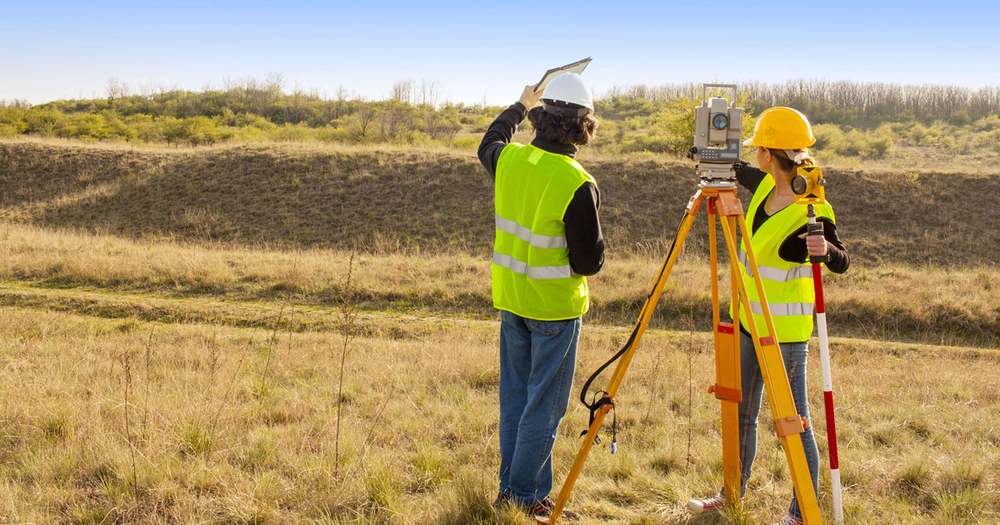
Site surveying
Site surveying (also called land surveying) involves professional inspection and mapping of the chosen area. This process creates detailed plans showing:
- Ground heights and contours across the site
- Precise measurements of all site features
- Accurate boundary definitions
- Location of existing services and infrastructure
The survey data enables:
- Accurate cost calculations for the construction project
- Early identification of potential construction challenges
- Proper planning for utilities and access requirements
- Informed decisions about building positioning and design
Summary
Key Points to Remember:
- Site selection occurs at three levels: locality, plot of land, and building position - each requiring different considerations
- Area Development Plans must be consulted before site selection, as they establish binding restrictions for different areas
- South-facing aspects receive the most sunlight year-round, making them ideal for energy efficiency and natural lighting
- Natural shelter from trees and landscape features significantly reduces heating costs and protects buildings from weathering
- Passive solar design uses strategic positioning and architectural features like overhangs to maximise energy efficiency through natural environmental conditions
- Professional surveying is essential for accurate construction planning and cost estimation