Site Surveying (Leaving Cert Construction Studies): Revision Notes
📚Revision Notes
Site surveying
What is site surveying?
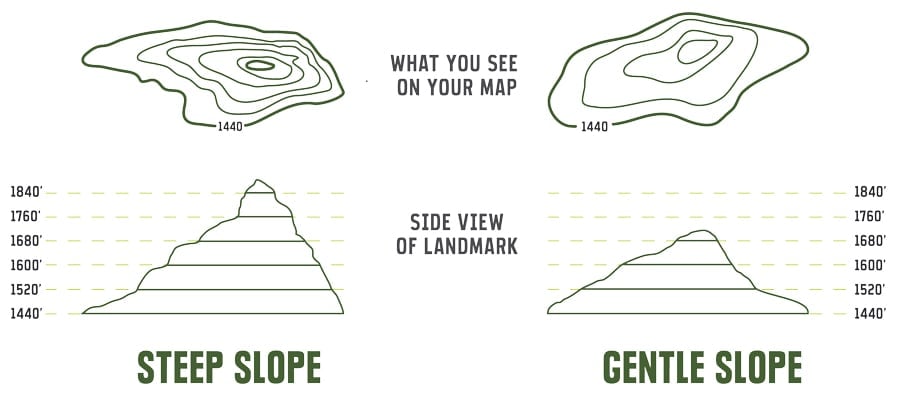
Site surveying, also known as land surveying, is the process of examining and creating detailed plans of a building site. This includes mapping the height variations and contours of the land. The main purpose is to help calculate construction costs and identify any potential issues with the land's topography that could affect building work.
When a building plot has been chosen, it must be thoroughly surveyed before detailed construction plans can be created. The surveying process examines several important factors that will influence both the building design and construction methods used.
Note
Site surveying is a critical first step in any construction project. Without proper surveying, builders may encounter unexpected challenges that could significantly increase costs or compromise structural integrity.
Important
Topography is the shape and features of the land, such as hills, valleys, slopes, and flat areas.
Key factors examined during site surveying
Site surveying looks at numerous elements that affect construction planning:
- Soil composition - determines foundation requirements
- Site orientation and aspect - affects natural lighting and heating
- Distance from roads - impacts access and services
- Location of utilities - water, electricity, gas, sewerage connections
- Natural shelter - trees, hills, other buildings
- Building position - optimal placement on the site
- Site boundaries - exact property limits
- Special site features - slopes, trees, rock outcrops, water features
At this stage, surveyors measure the topography of the land, including all heights, gradients, and boundary lines.
Note
Each of these factors can significantly impact construction costs and building design. For example, poor soil composition may require expensive foundation solutions, while favourable site orientation can reduce long-term heating and cooling costs.
Types of site surveys
There are five main types of surveys carried out on building sites:
- Boundaries survey - establishes exact property limits and ownership lines
- Footings survey - determines the best locations for building foundations
- Setting out survey - marks the precise position where the building will be constructed
- Check survey - verifies that construction work matches the original plans
- Services survey - locates existing utilities and plans new connections
The measurement survey process
Professional site surveying follows a systematic four-stage approach:
- Planning
- Collecting and recording measurements
- Processing measurements
- Drawing up
1. Planning stage
Surveyors must plan the work carefully before beginning. They establish reference points called datums on or near the site. These fixed points ensure all measurements remain accurate and consistent throughout the survey.
Note
Datums are permanent reference points that provide a consistent baseline for all measurements. Without properly established datums, survey accuracy would be compromised as the work progresses.
2. Collecting and recording measurements
This involves using specialist equipment, particularly a theodolite - a telescope-like instrument that measures both horizontal and vertical angles with high precision. Surveyors take measurements from the established reference points to map distances and heights across the site.
Important
The theodolite is the most critical piece of surveying equipment. This precision instrument can measure angles to within seconds of a degree, ensuring the accuracy needed for professional construction work.

3. Processing measurements
Once recorded, all measurements are carefully assessed and used to perform calculations. This stage involves checking for errors and ensuring all data is consistent and accurate.
4. Drawing up plans
The final stage uses all calculations of heights, angles, and distances to create detailed topographical drawings of the site. These plans show the exact shape and features of the land.
Modern surveying technology
Today's surveying equipment often incorporates GPS technology to provide precise coordinates and reference points for measurements. This improves accuracy and speeds up the surveying process compared to traditional methods.
Site orientation considerations
During surveying, professionals consider how the building should be positioned to maximise natural benefits. For example, orienting the main glazed areas towards the south (within 15 degrees either side) can maximise solar heat gain during winter months.
Roof overhangs can be designed to provide shade from high summer sun while allowing lower winter sun to heat interior spaces. This approach to energy-efficient design is called passive solar heating.
Important
Proper site orientation can significantly reduce long-term energy costs. Buildings oriented to take advantage of natural solar heating can reduce heating bills by up to 25% while improving occupant comfort.
Road access requirements
An important surveying consideration is road access to the site. Building regulations prohibit creating new access points on road bends due to safety concerns. If a site already has access on a bend, planning permission for further development will typically be refused unless the access point can be moved to a safer location.
Important
Road Access Regulations
Never attempt to create new access points on road bends - this violates building regulations and creates serious safety hazards. Always consult with local planning authorities before making any changes to site access arrangements.
Key takeaways
Summary
Key Points to Remember:
- Site surveying creates detailed plans showing land heights, contours, and features needed for construction planning
- Five main survey types cover boundaries, footings, building position, accuracy checks, and utility services
- The measurement process follows four stages: planning, collecting data, processing calculations, and drawing up plans
- Theodolites measure precise angles and distances from established reference points called datums
- Modern GPS technology improves surveying accuracy and efficiency
- Proper site orientation during surveying can maximise natural heating and lighting benefits