Stone (Leaving Cert Construction Studies): Revision Notes
📚Revision Notes
Stone as a building material
Stone stands as one of the most fundamental materials in construction. It has served builders across the world for centuries. In Ireland, stone fulfils two primary roles:
- Creating structural walls and
- Providing decorative finishes to buildings.
One of stone's most valuable characteristics is that it can be easily reused. When buildings are demolished, the stone can be crushed and graded, offering a cost-effective and environmentally sustainable method of reusing this natural resource. The bedrock beneath Ireland provides much of the raw material for the buildings that define our landscapes today.
Note
Stone is a durable material that can be reused without losing its structural strength. This makes it a sustainable option in construction, supporting modern green building practices and reducing the need for new raw materials.
Types of stone used in construction
Granite
Granite presents itself as an extremely hard and durable building material. Its appearance typically ranges from grey to pink colours, and close examination reveals a glistening surface created by embedded minerals and crystals.
Location and sourcing:
- Mountainous areas of Dublin and Wicklow
- Various locations in Galway
- The Mourne Mountains in County Down
Properties and uses:
Granite functions excellently as dimension stone because it can be cut precisely while maintaining its structural integrity. However, its hardness makes it challenging to work with, causing significant wear on cutting tools. Despite this difficulty, granite's durability makes it ideal for major public buildings. The GPO in Dublin serves as a prominent example of granite construction.
Important
While granite's hardness makes it exceptionally durable, this same property significantly increases construction costs due to tool wear and the specialised skills required for cutting and shaping.
Limestone
Limestone combines hardness, durability, and toughness in a single material. Ireland's most famous limestone deposits are located in the Burren region of County Clare.
Applications:
Limestone works particularly well for substantial civic buildings. Cork City Hall demonstrates limestone use in a major architectural project.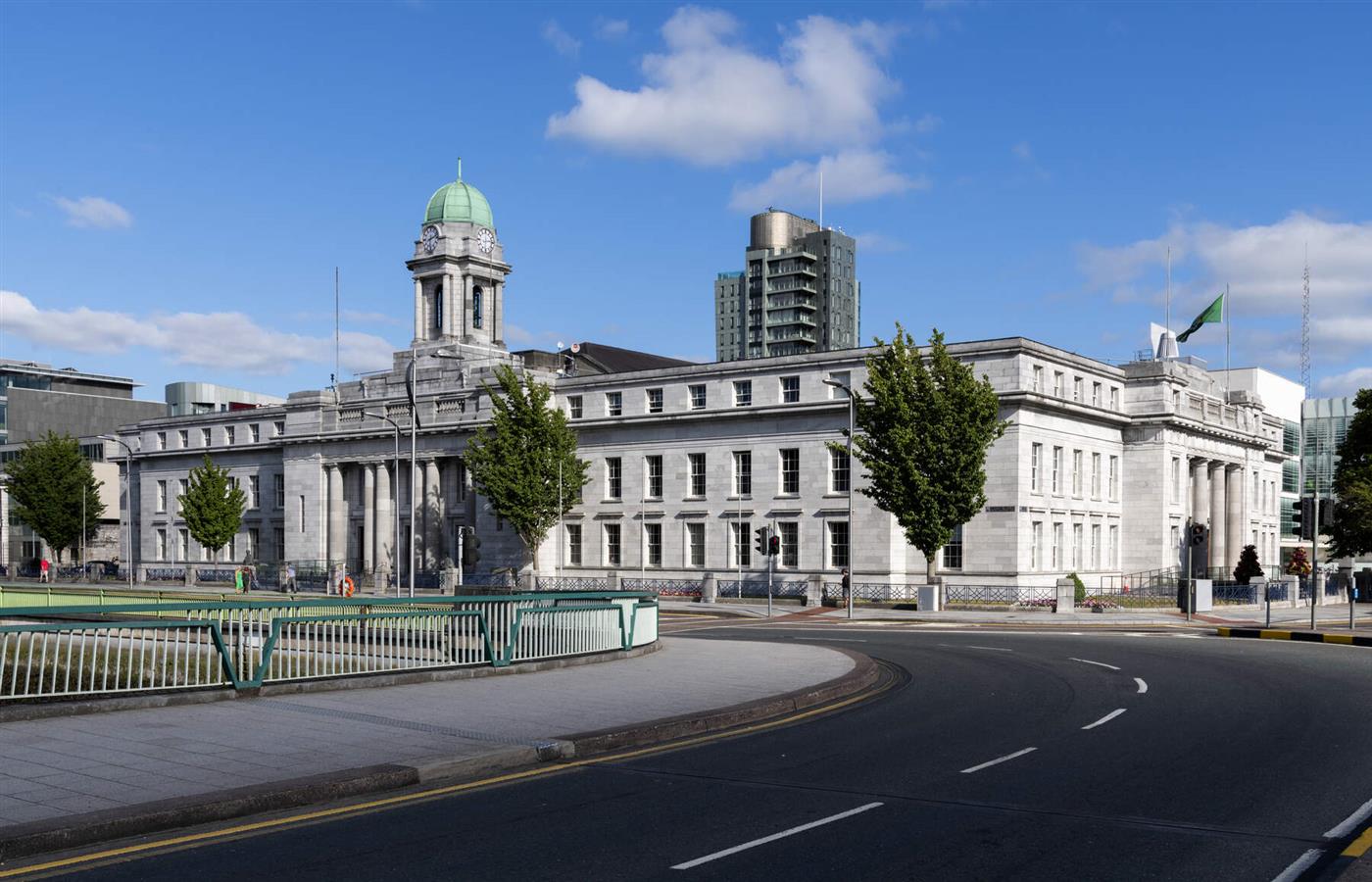
Sandstone
Sandstone offers unique thermal resistance properties, making it particularly suitable for fireplace construction. As a hard rock, it demonstrates excellent resistance to erosion processes.
Geographic distribution:
Sandstone deposits are primarily found in Ireland's southwest regions. Muckross House in Killarney, County Kerry, showcases how sandstone can be incorporated into architectural detailing.
Marble
Marble originates from limestone through geological processes. This transformation creates an expensive, decorative stone.
Usage characteristics:
- More commonly used indoors than outdoors due to poor weather resistance
- Popular applications include fireplaces and kitchen worktops
- Provides an elegant finish for interior spaces
Important
Marble's poor weather resistance makes it unsuitable for most exterior applications in Ireland's climate.
Slate
Slate represents a hard, durable stone with particular advantages for roofing applications. The production process involves splitting the stone, which naturally breaks off in manageable pieces that are then graded according to thickness.
Construction technique:
Roofing installation follows a specific pattern - thicker slate pieces are positioned at the base of the roof (over the eaves), while thinner pieces are used higher up. Valentia in County Kerry houses Ireland's last operational slate quarry, maintaining this traditional industry.
Example
Traditional Slate Roofing Technique
Step 1: Grade slate pieces by thickness
- Thick pieces (8-12mm) for eaves area
- Medium pieces (6-8mm) for middle sections
- Thin pieces (4-6mm) for upper roof areas
Step 2: Install from bottom to top
- Start with thickest pieces at eaves
- Gradually transition to thinner pieces
- Ensure proper overlap for weather protection
This graduated system provides optimal water shedding while reducing weight load on the upper roof structure.
Stone construction techniques
Understanding coursing
The deliberate arrangement of stone in horizontal layers is called coursing. This technique not only provides structural stability but also creates visually appealing patterns. Irish construction traditions recognise three main coursing styles:
- Random stone uncoursed
- Random stone coursed
- Square rubble coursed
Random stone uncoursed:
Stones of varying sizes and shapes are laid without defined horizontal lines, creating an organic, informal appearance.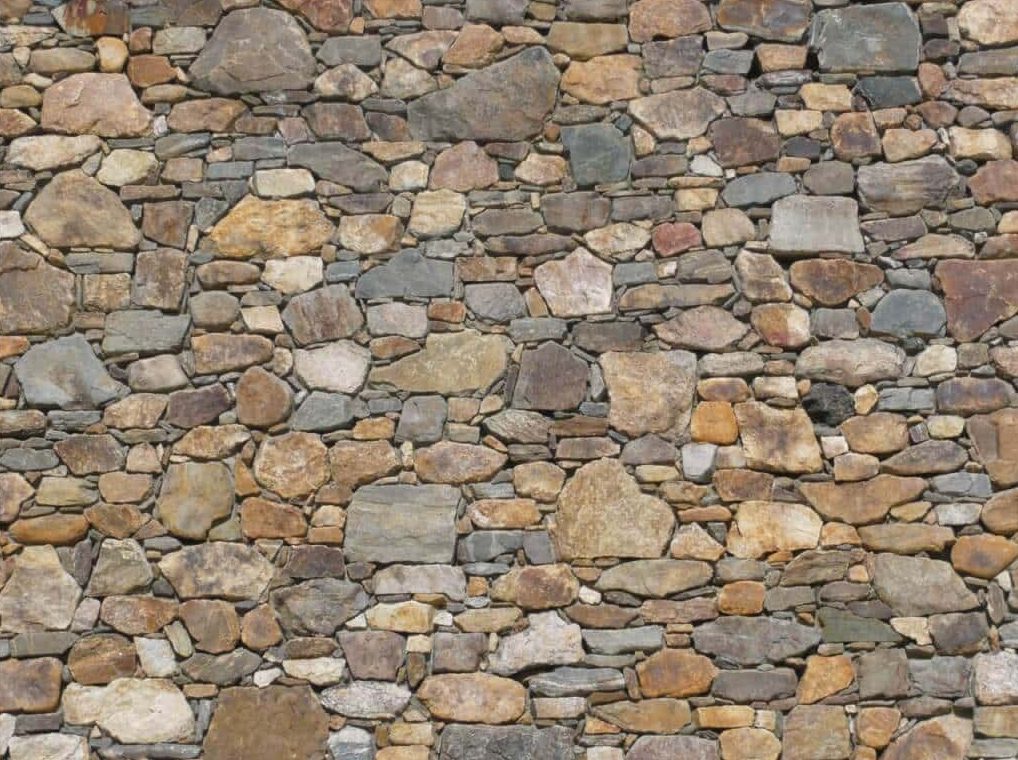
Random stone coursed:
While stones still vary in size and shape, they are arranged to create roughly horizontal courses or layers, providing more structure than the uncoursed method.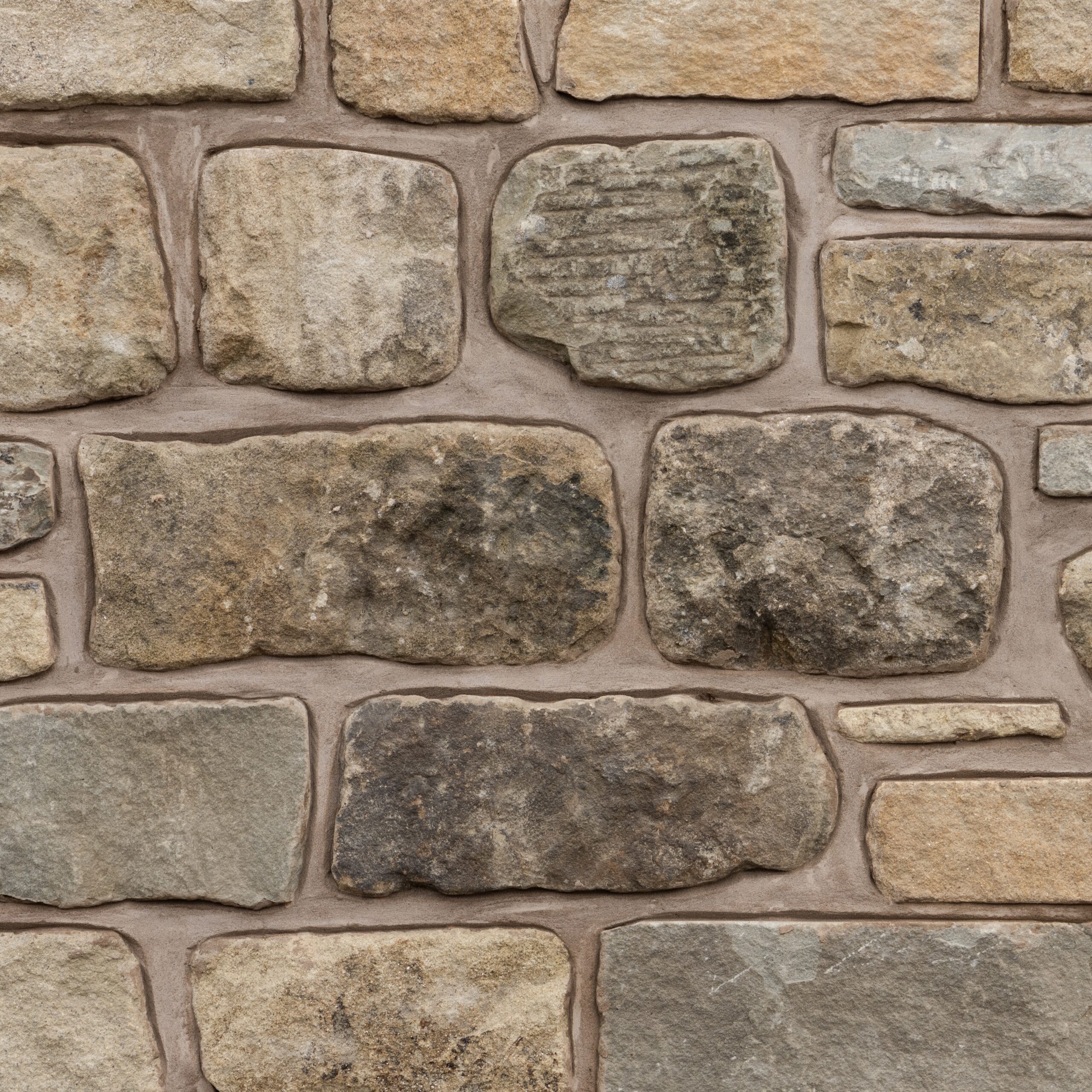
Square rubble coursed: More regularly shaped stones are arranged in distinct horizontal courses, creating a neater, more formal appearance.
Example
Comparing Coursing Techniques
Visual Impact:
- Random uncoursed: Rustic, cottage-style appearance
- Random coursed: Balanced between informal and structured
- Square rubble coursed: Formal, institutional building style
Structural Considerations:
- Coursed methods provide better load distribution
- Uncoursed requires more skilled masonry work
- Square rubble offers most predictable structural performance
Stone's role in Irish heritage
Stone construction shapes Ireland's built environment. Traditional stone walls define the Irish countryside, while historic towns and villages showcase unplastered stone buildings that have evolved from simple stacking techniques to sophisticated layered construction methods.
This evolution demonstrates how builders gradually developed more refined techniques for shaping and arranging stone layers to create both functional and aesthetically pleasing structures.
Note
The progression from basic stone stacking to refined coursing techniques represents centuries of accumulated building knowledge. Each generation of Irish stonemasons refined these methods, creating the distinctive architectural character we see in historic Irish buildings today.
Summary
Key Points to Remember:
- Stone serves as both a structural material and decorative finish in Irish construction
- Five main types are used: granite (hardest), limestone (civic buildings), sandstone (fire-resistant), marble (indoor decoration), and slate (roofing)
- Stone is completely recyclable through crushing and grading processes
- Coursing refers to the systematic laying of stone in horizontal patterns
- Ireland's geology provides diverse stone types from different regions, each with specific properties and applications