Fixings: Locks and Hinges (Leaving Cert Construction Studies): Revision Notes
📚Revision Notes
Fixings: locks and hinges
Doors require several essential hardware components to function properly. These fixings enable doors to open, close, and provide security. The two main categories of door hardware are hinges (for movement) and locks (for security).
Note
Understanding door hardware is essential for proper installation and maintenance. Without correctly functioning hinges and locks, doors cannot provide the basic functions of access control and security that buildings require.
Types of hinges
Butt hinges
Butt hinges are the most commonly used door hinges. They consist of two metal plates (leaves) joined by a pin that allows rotational movement. The hinge enables the door to swing on its vertical axis whilst preventing other types of movement.
- Standard butt hinges are straightforward to fit and provide reliable door operation. However, they can be time-consuming to remove when door maintenance is required.
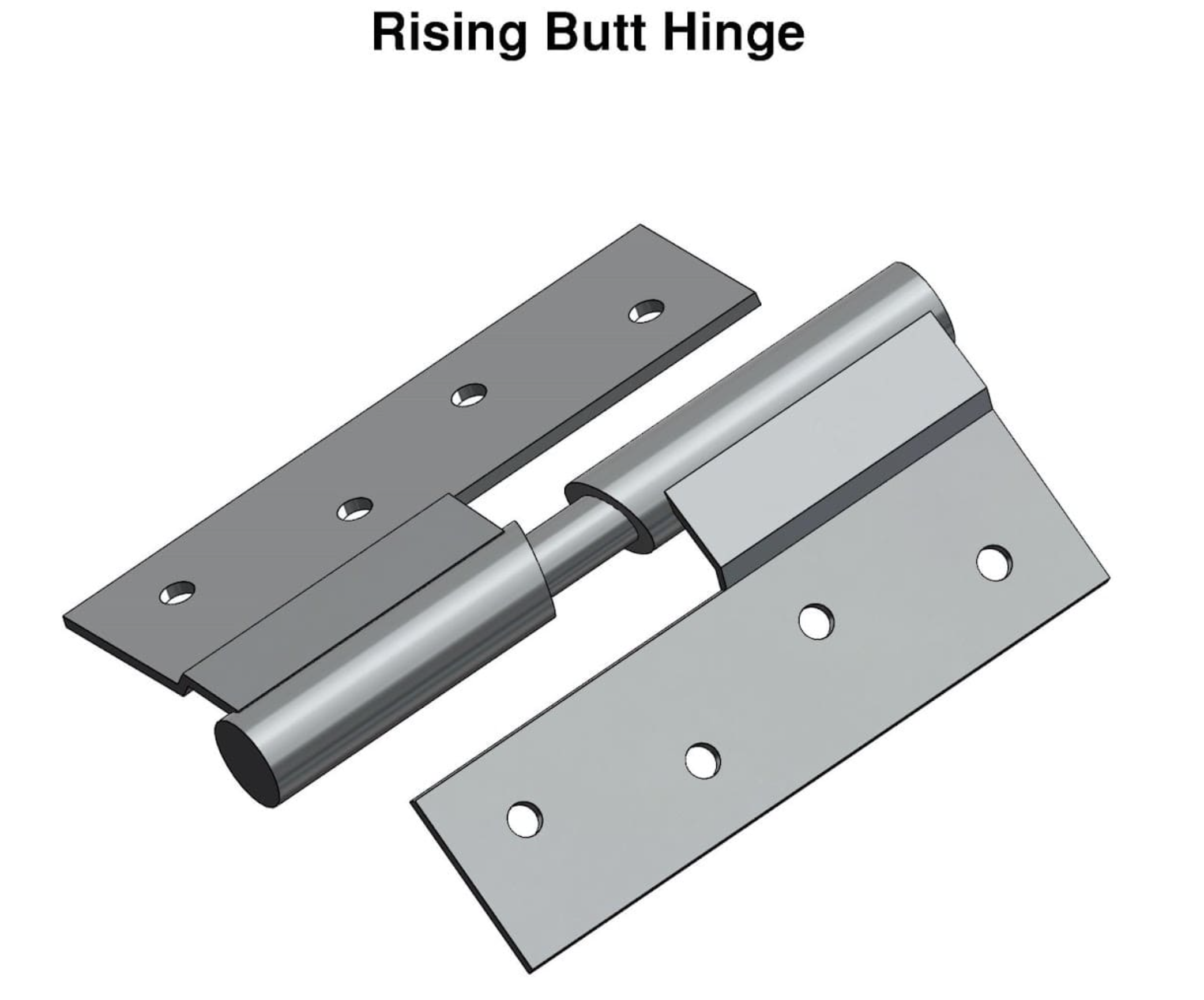
- Rising butt hinges offer an additional benefit beyond basic door movement. As the door opens, the rising mechanism slightly lifts the door upwards. This feature helps the door clear floor coverings such as carpets or rugs that might otherwise obstruct the door's path.

Example
Worked Example: Choosing Between Standard and Rising Butt Hinges
Situation: Installing a bedroom door that opens over thick carpet
Step 1: Assess the floor covering
- Carpet thickness: 15mm
- Door clearance with standard hinges: 10mm
Step 2: Identify the problem
- Standard hinges would cause the door to drag on carpet
Step 3: Select appropriate hinge type
- Rising butt hinges lift door by 3-5mm when opening
- This provides sufficient clearance over the carpet
Lift-off hinges
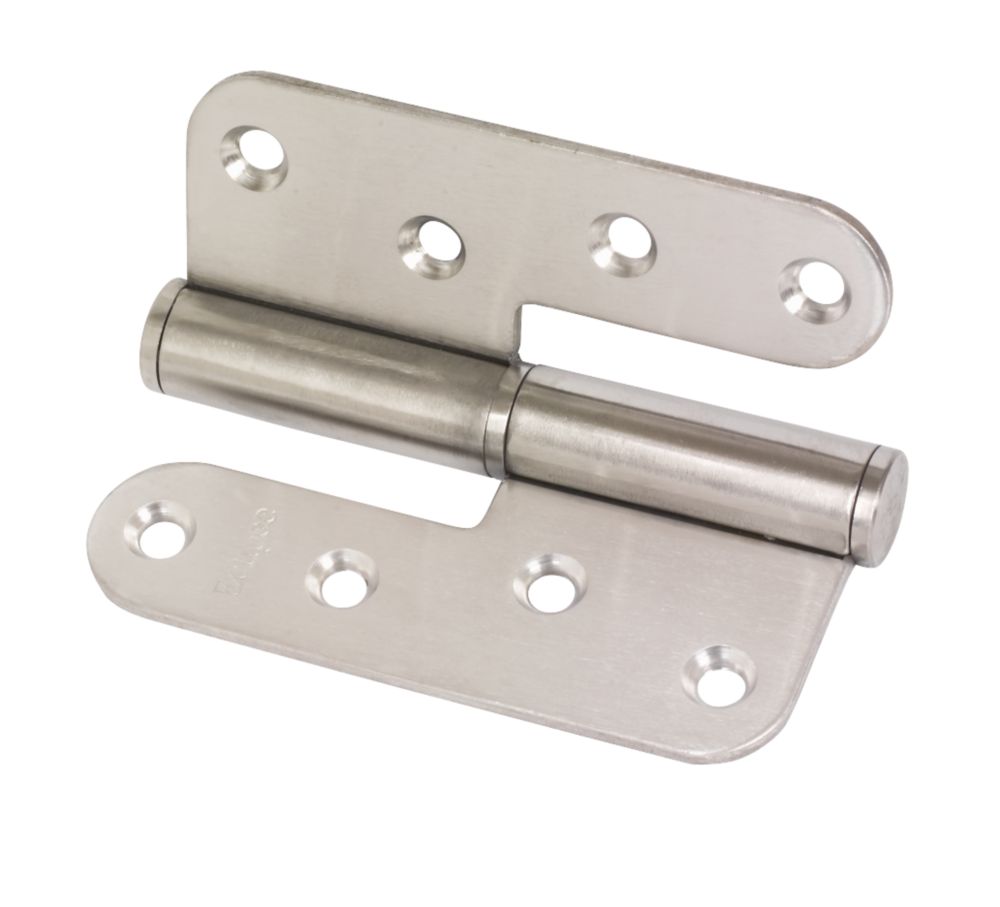
Lift-off hinges solve the problem of difficult door removal. These hinges comprise two separate components - one section fixes to the door frame whilst the other attaches to the door itself. This design allows the door to be lifted straight up and off the hinges without requiring any disassembly of the hinge mechanism.
This type of hinge proves particularly useful when doors need regular removal for cleaning, maintenance, or access purposes.
Types of locks
External door locks provide essential security for buildings. Most doors, both internal and external, are fitted with locking mechanisms as standard practice.
Important
Security is paramount - the choice of lock type directly affects the safety and security of the building's occupants. External doors should always have robust locking systems appropriate to the security requirements.
Mortise locks
The mortise lock represents the most prevalent lock type in door installations. Installation requires cutting a rectangular cavity (mortise) into the door's edge to house the lock body.
Mortise locks operate using two distinct mechanisms:
- The latch - controlled by the door handle, allowing normal opening and closing
- The lock - operated by a key, providing security when engaged
Note
The dual-mechanism design of mortise locks provides both convenient access and secure locking capability. This makes them ideal for doors that need frequent access but also require security when needed.
Night latches
Night latches provide an alternative locking solution, particularly suited to external doors. Unlike mortise locks, night latches mount on the door's surface rather than being recessed into it.
A key characteristic of night latches is their one-way operation - they can be opened from inside without a key, but require a key for external access. This feature provides security whilst allowing quick internal exit.
Multipoint locks
Multipoint locking systems represent a more advanced security solution. Rather than having a single locking point, these systems feature multiple locking mechanisms distributed along the door's height.
The strategic placement of multiple locking points eliminates weak spots that might exist with single-point locks. The entire system operates with one key, engaging all locking points simultaneously from either inside or outside.
Important
Emergency Access Concern: In emergency situations such as fires, occupants must have access to the key to unlock the door, which could create evacuation difficulties if the key is not readily available. Consider this carefully when specifying multipoint locks for escape routes.
Installation considerations
Note
Key Factors for Hardware Selection:
When selecting door hardware, consider:
- Security requirements - external doors need more robust locking systems
- Usage frequency - high-traffic doors benefit from durable hinges
- Maintenance needs - lift-off hinges simplify door removal for servicing
- Emergency access - ensure lock types don't compromise safety requirements
The right choice depends on balancing security, convenience, and safety requirements for each specific application.
Summary
Key Points to Remember:
- Butt hinges are the standard choice, with rising butt hinges helping doors clear floor obstacles
- Lift-off hinges allow easy door removal without dismantling the hinge mechanism
- Mortise locks require a cavity cut into the door and offer both latch and lock functions
- Night latches mount on the surface and allow keyless exit from inside
- Multipoint locks provide enhanced security but require key access for emergency exit