Health & Safety in Engineering (Leaving Cert Engineering): Revision Notes
📚Revision Notes
Health & Safety in Engineering
Introduction
Health and safety in engineering is a critical aspect that requires engineers to manage various risks while maintaining technical expertise. Engineering environments expose workers to significant dangers, making effective safety management essential for protecting lives and ensuring regulatory compliance.

Engineers must understand that precision and safety go hand in hand. The complexity of engineering equipment and processes creates multiple hazard sources that require constant vigilance and systematic management approaches.
Note
Engineering environments are inherently more dangerous than typical workplaces due to the combination of heavy machinery, electrical systems, hazardous materials, and complex processes. This makes systematic safety management not just beneficial but absolutely essential.
Understanding engineering safety risks
Risk management in engineering involves identifying potential hazards and implementing targeted strategies to prevent accidents. Engineering environments present unique challenges because they combine heavy machinery, hazardous materials, electrical systems, and complex work processes.
The most effective approach to managing engineering safety focuses on the most common and severe hazards that can impact engineering teams. These include machinery-related incidents, vehicle accidents, workplace falls, electrical hazards, and manual handling injuries.
Important
Research has found that focusing safety efforts on the most common risk categories can reduce workplace accidents by up to 70%. The five main risk areas account for approximately 85% of all engineering workplace incidents.
The five main health and safety risks
Machinery risks
Machinery-related injuries represent one of the biggest concerns in engineering environments. The complexity and variety of equipment used requires systematic safety measures and constant attention to detail.
Maintenance forms the foundation of machinery safety. Daily inspections and regular servicing prevent equipment malfunctions that can lead to serious injuries or operational disruptions. Poor maintenance practices often result in severe equipment failures and safety incidents.
Note
Studies show that over 60% of machinery-related accidents are preventable through proper maintenance schedules. A well-maintained machine is not only safer but also more efficient and cost-effective to operate.
Safeguards and safety equipment must be properly installed and regularly checked on all machinery. Emergency stops, protective guards, and safety mechanisms need routine testing to ensure they function correctly and remain accessible to operators.
Training requirements for machinery operators are essential and must be comprehensive. All operators need proper licenses and thorough understanding of emergency procedures and basic first aid. Training records should be maintained and updated regularly to ensure ongoing compliance.
Important
Common mistake to avoid: Never bypass or disable safety guards, even temporarily. This is one of the leading causes of severe machinery accidents and can result in criminal liability for supervisors and operators.
PPE and clothing policies require strict enforcement. Workers must wear appropriate personal protective equipment including safety goggles, helmets, and protective clothing. Loose clothing and jewellery create significant entanglement risks near rotating equipment and should be avoided completely.
Vehicle risks
Engineering sites often involve delivery lorries, forklifts, and other vehicles that create specific hazard patterns. Managing these risks effectively can significantly reduce accident rates and improve overall site safety.
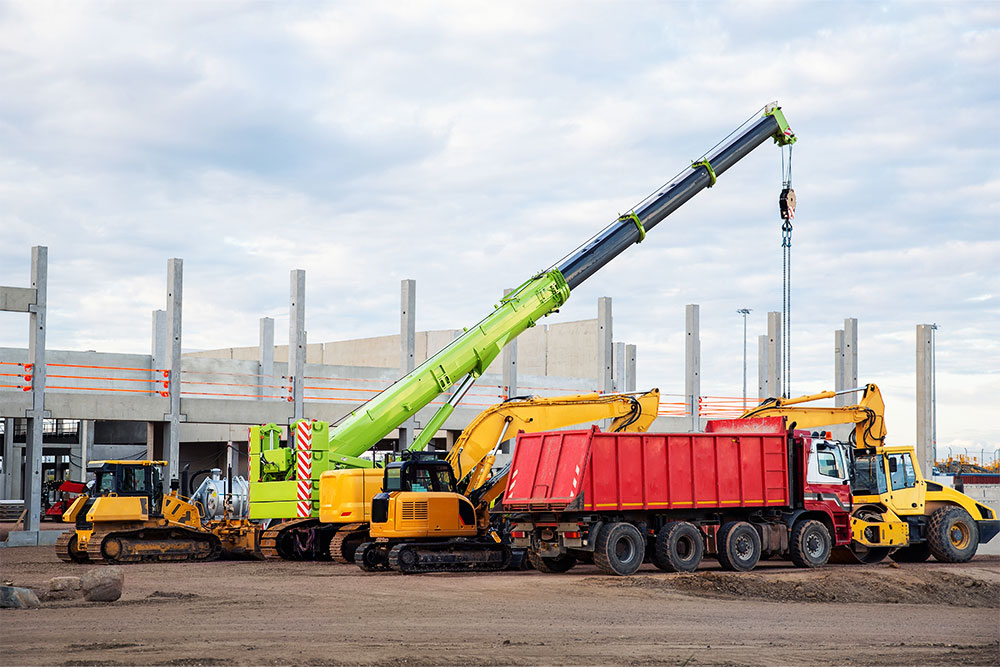
Site rules must establish clear signage and traffic management systems. Designated routes for delivery vehicles help prevent collisions with pedestrians and other site activities. Well-marked routes reduce confusion and improve traffic flow efficiency.
Site planning should separate vehicle routes from pedestrian areas wherever possible. Clear signage at intersections and well-lit pathways enhance visibility and reduce accident risks. Planning considerations should include emergency vehicle access and evacuation routes.
Note
Effective site planning can reduce vehicle-related incidents by up to 50%. The key is treating vehicle management as an integral part of the overall site safety strategy, not an afterthought.
Forklift management requires particular attention because these vehicles cause serious accidents when poorly maintained or operated by untrained personnel. Only authorised, trained operators should handle forklifts, and adequate task time should be allocated to reduce rushing and errors.
Slips, trips, and falls
These common accidents in engineering environments often result from debris, oil spills, or uneven surfaces. Proper management involves systematic hazard identification and environmental controls.
Risk assessment procedures should identify hazards such as uneven floors, uncovered machinery, and unstable handrails. Thorough assessments help address potential problems before they cause accidents and create comprehensive safety protocols.
Important
Essential for prevention: Regular risk assessments must be conducted at least monthly, or immediately after any changes to the work environment. Many slip, trip, and fall accidents occur in areas that have been recently modified or where new hazards have developed.
Oil management becomes crucial because machinery leaks create serious slip hazards. Regular maintenance prevents leaks, while oil containment systems help manage spills when they occur. Quick cleanup procedures reduce exposure time and accident risks.
Dust control addresses the problem of slippery floors caused by engineering processes. Regular cleaning schedules and non-slip flooring materials provide effective solutions. Floor grip assessment and replacement programmes help maintain safe walking surfaces.
Electricity and switchgear
Electrical equipment and switchgear present significant risks when not properly managed. Key safety considerations require systematic approaches to equipment management and personnel training.
Equipment age considerations involve upgrading older electrical systems to modern, safer alternatives. Newer equipment often provides better safety features and improved compliance with current standards, reducing maintenance issues and safety risks.
Note
Electrical equipment over 15 years old poses significantly higher risks due to insulation degradation, outdated safety features, and compatibility issues with modern safety systems. Regular assessment of equipment age should be part of every safety audit.
Training programmes must ensure staff understand electrical equipment handling and associated risks. Comprehensive training should cover emergency procedures, hazard recognition, and proper safety protocols. Training records need regular updates to maintain compliance standards.
Equipment stress management involves verifying that electrical systems can handle required current loads and fault levels. Overloading leads to severe incidents, so regular testing and performance monitoring prevent dangerous situations.
Important
Critical safety rule: Only qualified, licensed electricians should work on electrical systems. Even seemingly simple electrical tasks can be deadly if performed incorrectly, and insurance and legal liability issues make this non-negotiable.
Maintenance schedules require qualified personnel to conduct regular inspections and servicing. Proper maintenance prevents equipment failures and identifies potential safety issues before they become serious problems.
Manual handling
Handling heavy objects represents a routine engineering task, but improper techniques frequently cause injuries. Managing these risks requires systematic training and environmental planning.
Training programmes should provide regular instruction on proper manual handling techniques to prevent injury. Training must cover lifting techniques, team lifting procedures, and when to use mechanical aids instead of manual handling.
Environment management involves keeping pathways clear of obstacles and hazards. Well-planned routes avoid stairs, narrow walkways, and slippery floors that increase handling risks. Good lighting and clear sight lines improve safety during material movement.
Note
Data indicates that proper manual handling training can reduce back injuries by up to 45%. However, training must be reinforced regularly and combined with environmental improvements to be truly effective.
Sharp edge protection ensures that items with potentially dangerous edges receive proper finishing or protective covering. This prevents cuts and injuries during handling and reduces the risk of accidents during transport.
Risk management strategies
Effective risk management requires combining traditional safety measures with modern technological solutions. Scheduling software can track maintenance, inspections, and training requirements, helping ensure compliance and identifying potential issues before they escalate.
Incident reporting systems help streamline accident data collection and analysis. These systems identify risk areas and support safety measure improvements by providing detailed information about accident patterns and near-miss events.
Note
Modern digital safety management systems can improve compliance rates by 40% and reduce administrative overhead by up to 60%. The investment in these systems typically pays for itself within the first year through reduced incidents and improved efficiency.
Risk assessment software makes hazard identification and safety measure implementation more collaborative and systematic. Digital tools help teams work together to identify risks and develop appropriate responses.
Action-tracking software manages maintenance tasks, inspections, and training schedules. These systems ensure critical tasks receive completion and prevent important actions from being overlooked or delayed.
Key safety principles
Regular training, maintenance, and specialised software represent essential tools for protecting engineering teams and enhancing overall safety performance. These elements work together to create comprehensive safety management systems.
Important
Main cause of safety failures: Inconsistent application of safety procedures across different teams and shifts. Standardisation and regular monitoring are essential for maintaining high safety standards throughout the organisation.
Proactive approaches and attention to detail create safer working environments and ensure compliance with safety regulations. Focus on key risk areas, combined with technology to streamline management processes, provides the most effective safety outcomes.
Best practice sharing through digital documentation and training materials provides easy access to important safety information. Consistent practices across engineering teams help maintain high safety standards and reduce variation in safety procedures.
Summary
Key Points to Remember:
-
The five main engineering risks are machinery, vehicles, slips/trips/falls, electricity, and manual handling - focus your safety efforts on these areas first
-
PPE requirements include safety goggles, helmets, and protective clothing - proper equipment use prevents many serious injuries
-
Regular maintenance and training form the foundation of engineering safety - both require systematic approaches and proper documentation
-
Risk assessment must identify specific hazards before implementing safety measures - assessment drives effective safety planning
-
Technology solutions help manage maintenance schedules, training records, and incident reporting - use software tools to improve safety management efficiency