Pneumatics and Hydraulics (Leaving Cert Engineering): Revision Notes
📚Revision Notes
Pneumatics and Hydraulics
What are hydraulics and pneumatics?
Hydraulics and pneumatics are two important power transmission systems used extensively in engineering applications. Understanding the fundamental differences between these systems is essential for selecting the right technology for specific tasks.
Hydraulics refers to systems that use liquids, typically oil, to transfer power within a device or mechanism. The liquid serves as the medium through which force and energy are transmitted from one location to another.
Pneumatics, in contrast, describes systems that rely on compressed gas, usually air, to perform similar power transmission functions. The gas acts as the working fluid to create motion and force.
Both systems operate on the same basic principle: they use pressurised fluids to store energy, which can then be released to perform useful work such as lifting loads, powering devices, operating levers, creating pushing forces, providing traction, or controlling automation processes.
Note
These systems can range from small handheld devices to massive industrial installations capable of moving extremely heavy loads. The key to their effectiveness lies in how they convert fluid pressure into mechanical motion.
How hydraulic and pneumatic systems work
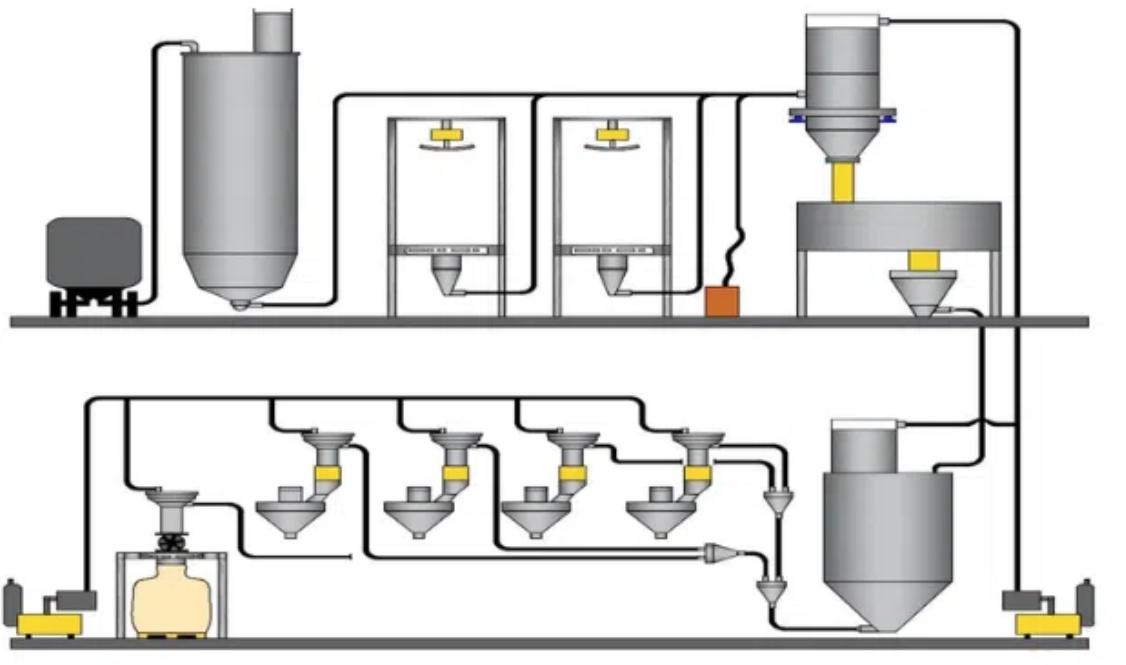
Both hydraulic and pneumatic systems function by using pressurised fluids to transmit power and force. The process involves forcing the fluid through various system components to make it perform useful work.
Note
The Principle of Pressure Transmission
When a fluid becomes confined within a space and pressurised, the force it creates spreads equally in all directions throughout the container. This distributed force can then be controlled and directed to create either linear motion (straight-line movement) or rotary motion (circular movement).
The stored energy in the pressurised fluid can be precisely controlled and used to press objects, carry out manufacturing processes, or power complex automation sequences. This controlled release of energy makes hydraulic and pneumatic systems highly versatile for industrial applications.
Principles and benefits of fluid power systems
The effectiveness of hydraulic and pneumatic systems stems from several key advantages that fluid power transmission offers over other methods:
Note
Key Benefits of Fluid Power Systems:
- High power-to-weight ratio - particularly evident when using liquids in hydraulic systems
- Spark-free operation - eliminates fire hazards in sensitive environments
- No overheating issues - unlike electrical systems that can overheat under load
- Multifunctional control capabilities - can perform multiple operations simultaneously
- Reduced mechanical complexity - eliminates the need for gears, chains, or belts
- Smooth, vibration-free operation - provides steady, controlled movement
- Minimal component wear - fewer moving parts mean longer service life
- Quiet operation - especially when using oil-based hydraulic systems
These benefits make fluid power systems particularly suitable for applications requiring precise control, high force output, or operation in challenging environments.
Examples and applications
Understanding the practical applications of each system helps illustrate their unique capabilities and ideal use cases.
Example
Hydraulic System Applications:
- Industrial automation and manufacturing systems
- Heavy-duty lifting equipment and cranes
- Excavation and construction equipment
- Automotive braking and steering systems
- Aircraft control surfaces and landing gear
- Systems requiring large forces and high working precision
Example
Pneumatic System Applications:
- Industrial actuators for moving or holding products
- Power tools such as air hammers and pneumatic drills
- Electrical circuit switching mechanisms
- Light applications requiring fast-acting responses
- Clean manufacturing environments where oil contamination must be avoided
Similarities between hydraulics and pneumatics
Both hydraulic and pneumatic systems share several fundamental characteristics that make them suitable for similar applications:
Fluid-based operation: Both systems harness the power of compressed fluids, making them identical in their basic working principle. The energy storage and release mechanisms function similarly in both technologies.
Common components: Both systems require similar parts to function effectively, including components that apply pressure to the fluid, devices that prepare and transport the fluid, valves that control fluid flow, and actuators that convert fluid energy into mechanical movement.
Versatile applications: Both hydraulic and pneumatic systems find use in manufacturing, construction, automotive, and numerous other industries. They offer nearly identical advantages in terms of control precision and operational flexibility.
Key differences between hydraulics and pneumatics
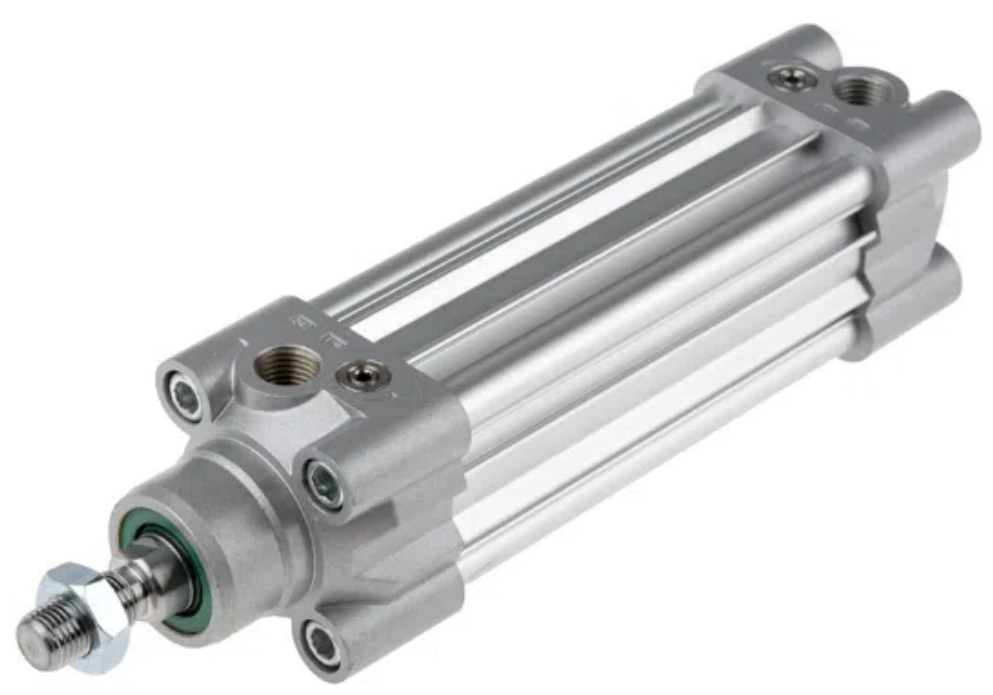
While both systems use fluid power, several important differences distinguish hydraulic from pneumatic systems:
Important
Critical Differences Between Systems:
Fluid type: The most significant difference lies in the working medium. Hydraulic systems use liquids, primarily petroleum-based oil or water. These liquids are essentially incompressible, meaning their volume remains constant when pressurised. This characteristic allows pressure to increase dramatically when force is applied.
Pneumatic systems use compressed gases, typically air or inert gases like nitrogen. Unlike liquids, air is compressible, meaning its volume decreases under pressure. While this provides quicker response times, it results in lower power output and reduced precision compared to hydraulic systems.
Power and precision: Hydraulic systems deliver higher power levels and greater precision due to the incompressible nature of liquids. Pneumatic systems offer faster response times but with less force and precision.
Speed of operation: Pneumatic systems generally operate faster than hydraulic systems, making them ideal for applications requiring rapid cycling or quick response times.
Choosing between hydraulic and pneumatic systems
The selection between hydraulic and pneumatic systems depends on specific application requirements including load capacity, speed, cost, precision level, and environmental considerations.
Pneumatic systems advantages
Note
When to Choose Pneumatic Systems:
Cleanliness and safety: Air-operated systems excel in applications requiring high cleanliness standards or sanitation. They eliminate the risk of fluid spills that could contaminate products or work environments.
Cost effectiveness: Air is freely available and costs nothing to use, making pneumatic systems more economical to operate. Additionally, used air can be safely released into the atmosphere without environmental concerns.
No fluid storage requirements: Unlike hydraulic systems, pneumatic systems don't require storage tanks for used fluid since compressed air can be vented directly to atmosphere.
Speed advantage: When applications require fast-acting actuators, pneumatic systems provide superior response times compared to hydraulic alternatives.
Compact design: Pneumatic systems can be designed as lightweight, compact units suitable for portable tools and small devices.
Fire safety: These systems can operate safely in environments where electrical sparks might cause fires or explosions.
Hydraulic systems advantages
Note
When to Choose Hydraulic Systems:
High power output: When moving large loads or applying significant force, hydraulic systems provide substantially more power than pneumatic alternatives.
Superior precision: Hydraulic systems offer better operational accuracy and positional control, making them ideal for precision manufacturing applications.
Quiet operation: These systems run almost silently, making them suitable for noise-sensitive environments.
Important
However, hydraulic systems tend to be heavier and require more frequent maintenance than their pneumatic counterparts.
Industrial applications
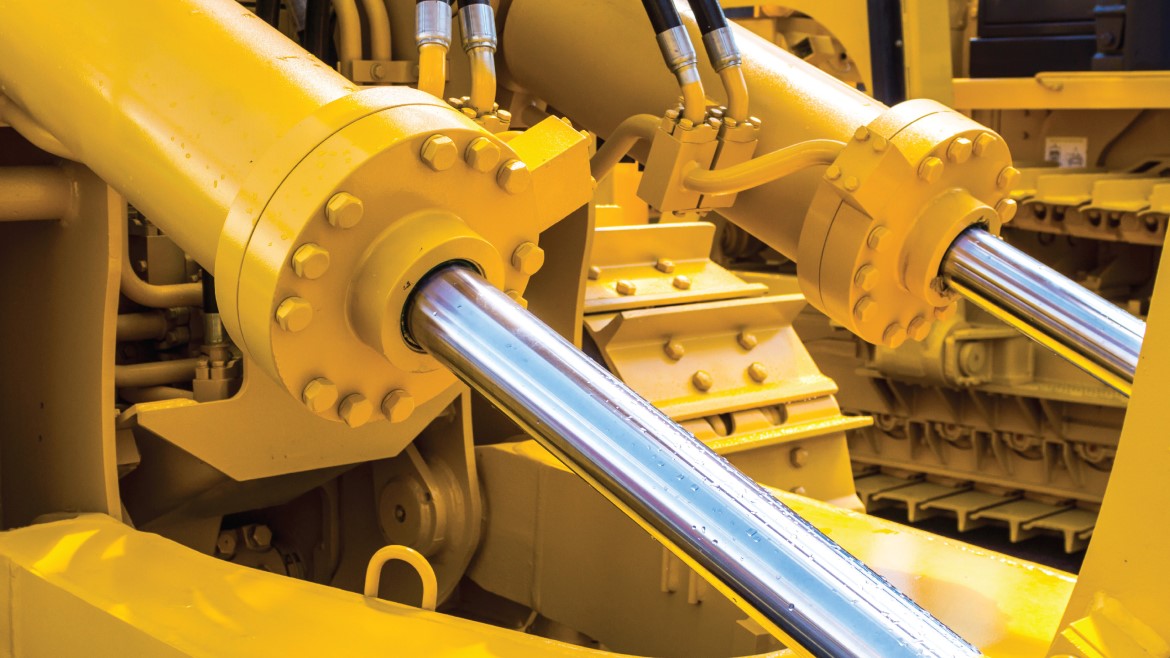
The applications for hydraulic and pneumatic systems are extensive and continue to expand across various industries:
Manufacturing and automation: Both technologies play crucial roles in modern industrial processes, from simple actuator applications to complex automated production systems.
Power tools: Hydraulic and pneumatic tools have revolutionised construction and manufacturing, offering power tools such as impact wrenches, drills, and hammers that provide superior performance compared to manual alternatives.
Note
Expanding Applications:
Automotive applications: The automotive industry relies heavily on both systems for manufacturing processes, vehicle braking systems, power steering, and automated assembly lines.
Aerospace industry: Both hydraulic and pneumatic systems perform critical functions in aircraft systems, from flight control surfaces to landing gear operation and cabin pressure management.
Construction and heavy machinery: Excavators, cranes, and other heavy equipment depend on these fluid power systems for reliable operation under demanding conditions.
The versatility of these technologies means their applications are virtually limitless, with new uses being developed constantly as technology advances.
Remember!
Summary
Key Points to Remember:
- Hydraulics use liquids (usually oil) while pneumatics use gases (usually air) to transmit power
- Both systems work on the principle of pressure transmission - pressurised fluids spread force in all directions
- Hydraulic systems provide higher power and precision but are slower and require more maintenance
- Pneumatic systems are faster, cleaner, and more cost-effective but provide less power and precision
- Choose hydraulics for heavy loads and precision work, choose pneumatics for speed and cleanliness requirements