It's Not (Leaving Cert English): Revision Notes
📚Revision Notes
It's Not
Overview
- "It's Not" by Tracy K. Smith is from her Pulitzer Prize-winning collection Life on Mars (2011).
- The poem reflects on the death of Smith's father, exploring themes of loss, grief, and the search for meaning after death.
- Death is personified as an independent force, acting beyond human understanding or control: "Death was thinking what it owed him" (line 4).
- The poem blends personal memory with philosophical questioning, challenging conventional views of death and mourning.
- Through vivid imagery and reflective language, Smith imagines her father's journey beyond life, using metaphors of movement and space to explore the unknowable nature of existence after death.
Detailed Summary
Stanza 1:
The poem opens with the personification of death as a calculating force: "Death was thinking of you or me". It suggests that death operates independently, focusing on its own "choices" rather than human emotions or connections. The line "Death was thinking what it owed him" (line 4) reflects a sense of inevitability, as if death's claim on Smith's father was part of a natural cycle. The idea of death as a "ride beyond the body" (line 5) introduces the concept of the afterlife, framed as a transition rather than an ending.
Stanza 2:
Smith shifts to a series of grounded, domestic images that paint a picture of her father's life: "The car and its fuel injection, the fruit trees / Heavy in his garden" (lines 6–7). These details, including "the freezer lined with meat" (line 9), contrast the finality of death with the mundane realities of living. The phrase "Seek and ye shall find" (line 10), taken from Biblical scripture, is juxtaposed with the disconnection Smith feels, questioning what death means and what remains for the living to "find" after someone is gone.
Stanza 3:
The poem's tone becomes more introspective as Smith asks, "So why do we insist / He has vanished?" (lines 11–12). She resists the notion that death marks a total disappearance, instead imagining her father as "swimming only through this life" (line 14). This metaphor portrays death as a graceful, fluid continuation rather than a harsh severing, suggesting hope amidst mourning.
Stanza 4:
In the final stanza, Smith deepens the imagery of movement and the unknowable nature of the afterlife. Her father is envisioned as "legs slicing away at the waves" (line 16), navigating a journey into the beyond. The description of "the white cloud of his hair" in the distance (line 19) evokes both a sense of loss and the lingering presence of memory. The poem concludes with the phrase "in the distance like an eternity" (line 20), reflecting death's infinite and mysterious nature.
Themes
Grief and Loss
The poem reflects deeply on the loss of Smith's father and the emotional impact of his death. Through the line "Death was thinking what it owed him" (line 4), Smith explores the inevitability of death and its role as a natural part of life. The imagery of "the freezer lined with meat" (line 9) and "the car and its fuel injection" (line 6) connects her father's passing to the ordinary details of his life, highlighting the contrast between grief and the mundane.

The Nature of Death
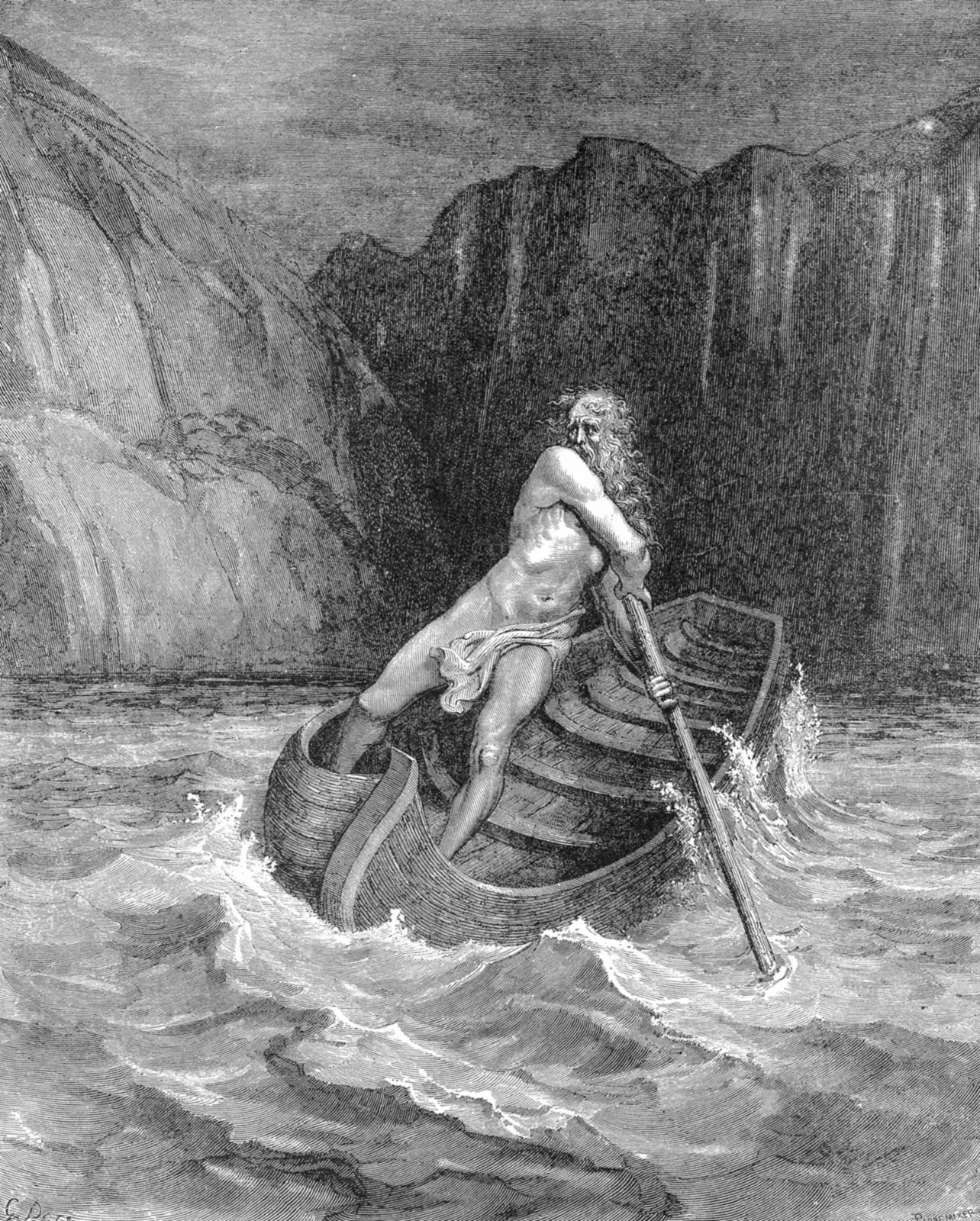
Smith challenges the idea of death as a complete severance, instead portraying it as a continuation or transformation. The metaphor of her father "swimming only through this life" (line 14) suggests a graceful journey beyond the physical world. The line "He is only gone so far as we can tell" (line 18) reflects the limitations of human understanding when it comes to death and the afterlife.
Note
Extra Credit: Get that H1 by including critical, personal and literary reflexion! One of the most famous narratives of the nature of death and grief is the Greek myth of Orpheus and Eurydice. Orpheus crosses into the underworld to try and rescue Eurydice, but by looking back at her to check if she is following him out, she dies a second time. The line between life and death has been blurred in literature for millennia. Can you think of any other examples of media that blur this line? Do you think Smith does this effectively?
Memory and Legacy
The enduring image of "the white cloud of his hair in the distance" (line 19) represents how Smith's father continues to exist in her memory, even as he becomes part of something larger and unknowable. The poem suggests that memories and the traces of a loved one's life serve as a bridge between the living and the dead, keeping their presence alive despite their physical absence.

Structure and Form
1. Free Verse
The poem is written in free verse, with no fixed rhyme scheme or metre. This lack of structure mirrors death's unpredictable and unknowable nature and the afterlife. The fluidity of free verse allows Smith to seamlessly shift between personal memories, philosophical reflections, and vivid imagery.
2. Short, Uneven Stanzas
The poem is divided into four stanzas of varying lengths. This uneven structure reflects the fragmented nature of grief, as memories and thoughts come in waves rather than a neat progression. The stanzas transition from practical and grounded imagery to abstract and cosmic reflections, symbolising the shift from earthly existence to the unknowable realm of death.
3. Enjambment
Smith frequently uses enjambment to create a conversational tone and continuous flow of ideas. For example: "Death was thinking what it owed him: / His ride beyond the body, its garments" (lines 4–5).
This technique mirrors the continuous journey of life into death and reflects the unbroken connection between the physical and the spiritual.
4. Shifts in Tone
The tone shifts between the practical and the philosophical. The initial stanzas use grounded, domestic imagery such as "fruit trees / Heavy in his garden" (lines 6–7), while later stanzas become more abstract and metaphysical, with lines like "Legs slicing away at the waves, gliding" (line 16). This tonal progression mirrors the transition from life to death.
5. Open-Ended Reflection
The poem concludes with an open-ended and expansive reflexion: "in the distance like an eternity" (line 20). This open ending invites the reader to contemplate death's infinite and mysterious nature, emphasising its universality and ambiguity.
Poetic Techniques
1. Personification
- "Death was thinking what it owed him" (line 4): Death is personified as a calculating force, emphasising its independence and inevitability.
- "Death ran off with our / Everything worth having" (lines 11–12): This metaphorical portrayal of death highlights its power to take away what we hold dear, making it seem almost like a thief. Effect: Personification gives death a character-like presence, making it feel both intimate and formidable. It draws attention to the emotional weight of loss.
2. Vivid Imagery
- "The car and its fuel injection, the fruit trees / Heavy in his garden" (lines 6–7): These grounded images paint a picture of the speaker's father's everyday life, creating a poignant contrast with his passing.
- "Legs slicing away at the waves" (line 16): This striking image of movement suggests a graceful journey into the unknown, symbolising death as a continuation rather than an end. Effect: The vivid imagery helps anchor abstract ideas in tangible, relatable moments, deepening the reader's emotional connection to the poem.
3. Metaphor
- "His ride beyond the body, its garments" (line 5): This metaphor suggests death as a journey or transition, reinforcing the idea of the afterlife as a continuation.
- "The white cloud of his hair in the distance" (line 19): This metaphor symbolises memory and the lingering presence of the speaker's father, even as he recedes into the unknown. Effect: Metaphors enrich the poem with layers of meaning, transforming the concept of death into something more fluid and reflective.
4. Repetition
- "Seek and ye shall find" (line 10): This Biblical allusion, repeated in different contexts, reflects the human desire for answers about death and the afterlife.
- "Why not that he was" (line 13): The repetition of "why" expresses the speaker's frustration and her need to reconcile loss with hope. Effect: Repetition reinforces key themes and emotions, creating a meditative rhythm that mirrors the process of grappling with grief.
5. Enjambment
- "Death was thinking what it owed him: / His ride beyond the body, its garments" (lines 4–5): The flow of the lines mimics the continuity of thought, reflecting the seamless connection between life and death.
- "Legs slicing away at the waves, gliding / Further into what life itself denies" (lines 16–17): Enjambment here captures the sense of motion and exploration beyond the limits of life. Effect: Enjambment creates a conversational and fluid tone, allowing the reader to move with the poem's ideas as they unfold.