The Museum of Obsolescence (Leaving Cert English): Revision Notes
📚Revision Notes
The Museum of Obsolescence
Overview
- "The Museum of Obsolescence" is from Smith's Pulitzer Prize-winning collection Life on Mars (2011).
- The poem imagines a futuristic museum filled with outdated objects and forgotten human artefacts, reflecting on the impermanence of human creations.
- Smith critiques humanity's obsession with material possessions and the tendency to value things that quickly lose significance, as seen in lines like "So much we once coveted. So much / That would have saved us, but lived" (lines 1–2).
- The museum serves as a metaphor for humanity's legacy, highlighting our short-term focus, our eventual obsolescence, and our small place in the universe.
- Through vivid imagery, such as "replicas of replicas stacked like bricks" (line 10) and "maps of fizzled stars" (line 11), Smith reflects on themes of consumerism, mortality, and humanity's fleeting importance.
- The poem ends with a sobering image of Earth as an exhibit, suggesting that even our planet is destined to become a relic of the past.
Detailed Summary
Stanza 1:
The poem begins with a reflective tone, as Smith considers how much humanity has valued objects and ideas that ultimately fail to stand the test of time: "So much we once coveted. So much / That would have saved us, but lived" (lines 1–2). The word "coveted" suggests greed and desire, while the phrase "but lived" implies that even those things deemed necessary quickly became irrelevant. The "quick span" (line 3) of their usefulness highlights the fleeting nature of human creations.
Stanza 2:
Smith personifies the museum, "It watches us watch it" (line 5), creating a dynamic where humans and the artefacts on display are both being observed. The items in the museum—"replicas of replicas" (line 10) and "maps of fizzled stars" (line 11)—emphasise the redundancy and eventual decay of human achievements. The focus on "green money, and oil in drums" (line 10) critiques consumerism and environmental exploitation, linking humanity's past priorities to its eventual downfall.
Stanza 3:
The poem shifts to the museum's south wing, where a "living man sits on display" (line 13). This startling image suggests a dystopian vision in which even human life has become an obsolete exhibit. The man recounts "old beliefs" (line 14), hinting at values or ideologies that were once meaningful but are now irrelevant. His eventual death is marked by replacement with "a video looping on ad infinitum" (line 18), symbolising the dehumanisation of memory and history.
Stanza 4:
Smith critiques society's inability to grasp the significance of concepts like "Love" and "Illness" (line 20), which have become mere artefacts in this imagined future. The mirror, described as "someone's idea of a joke" (line 22), forces viewers to confront their own obsolescence, revealing the irony of human self-importance in the face of inevitable decay.
Stanza 5:
The poem ends with a haunting image: "An image of the old planet taken from space" (line 23). This photograph of Earth, now part of a museum exhibit, symbolises the ultimate fragility of humanity's home. Meanwhile, outside the museum, "vendors hawk t-shirts" (line 24), showing that human nature—commercialism and triviality—persists even as our significance fades. The final lines leave readers with a chilling vision of humanity's future as a distant memory.
Themes
The Fleeting Nature of Human Achievement
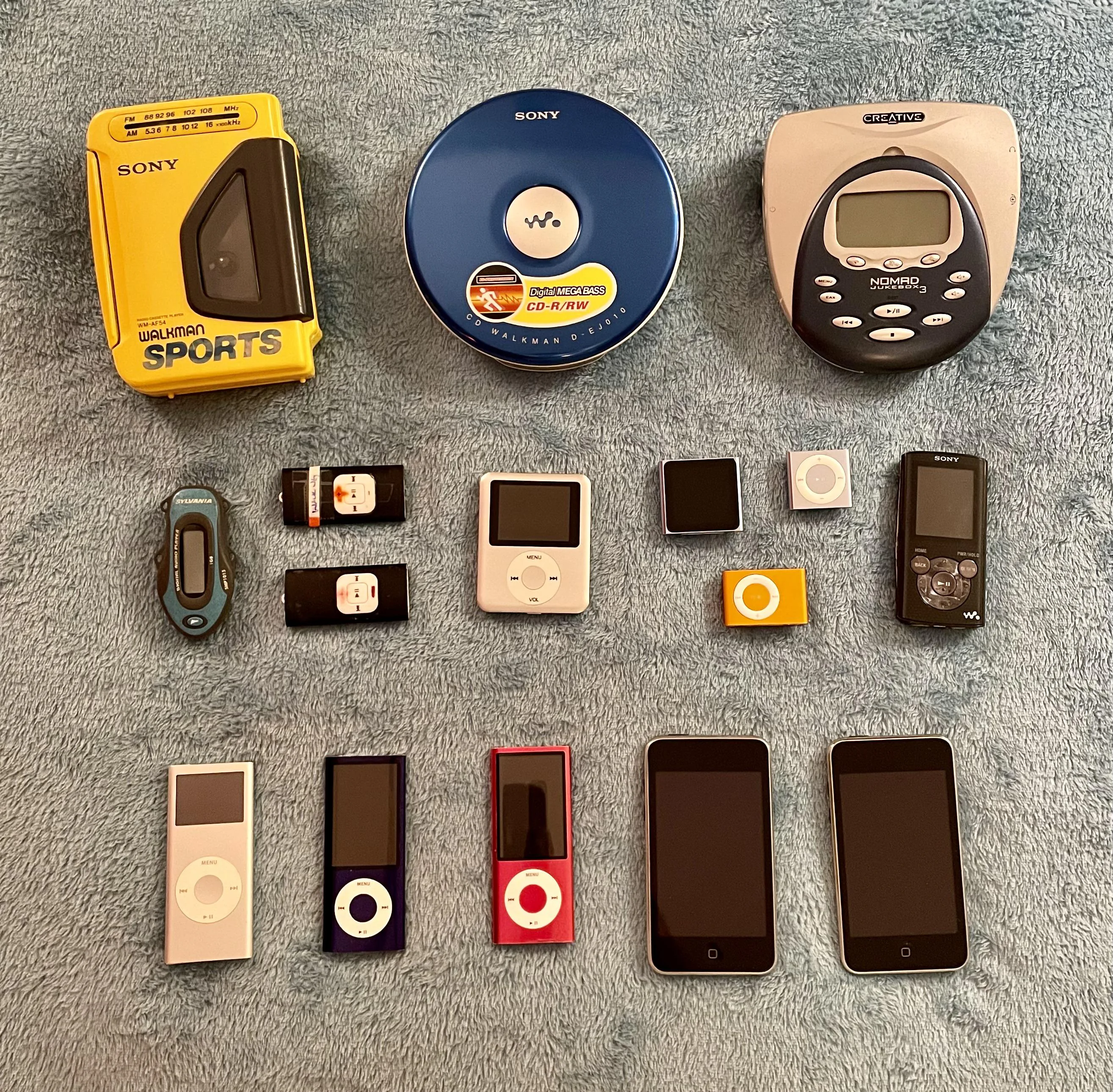
Smith critiques humanity's obsession with creating and accumulating material possessions that ultimately lose their value. Lines like "So much we once coveted. So much / That would have saved us, but lived" (lines 1–2) highlight the impermanence of things once considered vital. The museum, filled with "replicas of replicas" (line 10) and "maps of fizzled stars" (line 11), serves as a reminder that even our most meaningful creations will eventually become obsolete.
Consumerism and Environmental Exploitation
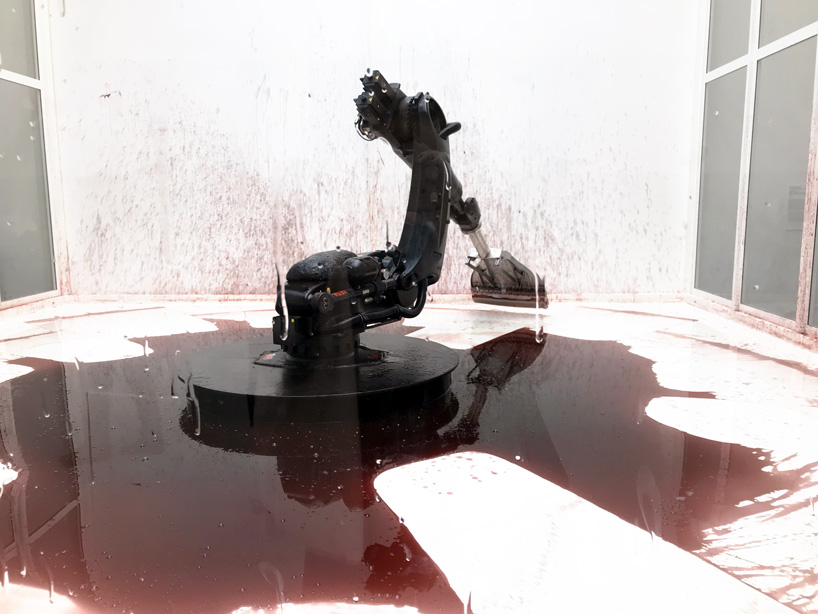
The poem reflects on the destructive consequences of humanity's focus on consumption and resource exploitation. Items like "green money, and oil in drums" (line 10) critique the greed and environmental harm caused by capitalist systems. By turning these symbols of power into museum artefacts, Smith underscores the short-sightedness of prioritising profit over sustainability.
Note
Extra Credit: Get that H1 by including critical, personal and literary reflexion! Tom McCarthy's novel Satin Island explores similar themes, showing a growing awareness of the adverse effects of capitalism in literature. Do you think generative AI will affect literature in the future? Does your understanding of 'The Museum of Obsolescence' inform your opinion in any way?
Human Mortality and Obsolescence
The museum not only displays material objects but also reflects on the fate of humanity itself. The "living man on display" (line 13) symbolises how human life and beliefs may one day become mere exhibits, detached from their original meaning. The mirror, described as "someone's idea of a joke" (line 22), confronts viewers with their own eventual insignificance, forcing a reflexion on what truly matters in the face of mortality.

Structure and Form
1. Free Verse
The poem is written in free verse, with no set rhyme scheme or metre. This lack of formal structure reflects the chaotic and unpredictable nature of the future Smith envisions. It allows her to move fluidly between observations of the museum's exhibits and deeper reflections on humanity's obsolescence.
2. Short, Uneven Stanzas
The poem is divided into five stanzas of varying lengths. This uneven structure mirrors the fragmented and disconnected nature of the museum exhibits, emphasising how the past is preserved in isolated pieces rather than as a cohesive narrative. For instance, the shorter stanzas, like the final one ("Outside, vendors hawk t-shirts"), create moments of stark, unsettling conclusion.
3. Enjambment
Smith employs enjambment to maintain a flowing, conversational tone and to connect ideas across lines. For example: "Our faulty eyes, our telltale heat, hearts / Tickling through our shirts" (lines 6–7).
This use of enjambment draws attention to the physicality of human bodies and how they, too, are part of the museum's reflexion on obsolescence.
4. Shifts in Focus
The poem shifts between observations of the museum's artefacts, reflections on human priorities, and philosophical musings. For example, the move from "replicas of replicas" (line 10) to the "living man on display" (line 13) suggests an increasing intimacy and urgency in Smith's critique of humanity's fate.
5. Open-Ended Conclusion
The poem closes with a chilling scene outside the museum: "vendors hawk t-shirts" (line 24). This abrupt ending highlights the persistence of human triviality and consumerism, leaving readers to question whether we are doomed to repeat the same patterns even as our existence fades into obsolescence.
Poetic Techniques
1. Personification
- "It watches us watch it" (line 5): The museum itself is personified, suggesting it actively observes humanity. This creates a dynamic where humans, typically the observers, become objects of scrutiny.
- "Concepts difficult to grasp. The last thing you see / (After a mirror – someone's idea of a joke?)" (lines 21–22): The mirror becomes a cruelly self-aware entity, forcing visitors to confront their own obsolescence. Effect: Personification adds a reflective and eerie quality to the poem, forcing readers to consider their own impermanence and role in creating a future where humanity is viewed as outdated.
2. Vivid Imagery
- "Replicas of replicas stacked like bricks" (line 10): This image emphasises the redundancy and lack of originality in humanity's creations.
- "An image of the old planet taken from space" (line 23): The photograph of Earth as an exhibit captures the fragility and transience of humanity's home. Effect: These striking images bring the poem's dystopian vision to life, helping readers visualise the museum's eerie exhibits and reflect on humanity's eventual insignificance.
3. Irony
- The phrase "green money, and oil in drums" (line 10) transforms symbols of wealth and power into obsolete relics, highlighting the futility of humanity's greed and exploitation.
- The mirror, described as "someone's idea of a joke" (line 22), forces viewers to confront their own obsolescence, blending humour with existential discomfort. Effect: Irony adds a critical and darkly humourous layer to the poem, making Smith's commentary on humanity's short-sightedness more poignant and relatable.
4. Onomatopoeia
- "Fizzled stars" (line 11): The word "fizzled" evokes the sound and image of something burning out, symbolising the eventual decline of human achievements and the universe itself. Effect: Onomatopoeia enhances the sensory experience of the poem, reinforcing the theme of decay and loss.
5. Alliteration
- "Our faulty eyes, our telltale heat, hearts" (line 6): The repetition of the "h" sound creates a rhythmic emphasis, drawing attention to the physicality of human bodies as part of the museum's exhibits.
- "Special installations come and go" (line 19): The soft "s" sounds underscore the transient nature of human efforts and ideas. Effect: Alliteration creates a musical quality within the poem, subtly reinforcing key ideas about impermanence and human fragility.