The Universe as Primal Scream (Leaving Cert English): Revision Notes
📚Revision Notes
The Universe as Primal Scream
Overview
- "The Universe as Primal Scream" by Tracy K. Smith is from her Pulitzer Prize-winning collection Life on Mars (2011).
- The poem juxtaposes the everyday noise of life with grand cosmic questions, reflecting on the relationship between the ordinary and the infinite.
- Inspired by scientific theories such as the Big Bang, the poem examines creation, chaos, and humanity's search for meaning in an expansive, indifferent universe.
- Themes include the clash between faith and science, the fragility of human existence, and the persistence of mundane life amidst universal mysteries.
- Using vivid imagery, sharp humour, and contrasting tones, Smith moves from a noisy domestic setting to philosophical musings about creation and mortality.
Detailed Summary
Stanza 1:
The poem begins in a domestic setting, capturing the chaos of two children screaming upstairs: "5pm on the nose. They open their mouths / And it rolls out: high, shrill and metallic" (lines 1–2). The speaker humorously wonders if their parents are conducting some kind of experiment on the children, comparing the noise to a primal scream—a concept linked to intense emotional release. The mention of "the good crystal" (line 6) breaking adds a layer of satire, juxtaposing the ordinary with the dramatic.
The stanza introduces the theme of creation, connecting the children's screams to a larger cosmic event, hinting at the Big Bang. The speaker imagines "we'll ride to glory / Like Elijah" (lines 13–14), drawing on Biblical imagery to contrast with the chaotic domestic scene.
Stanza 2:
The focus shifts to the mother's pride in her children's ability to scream so loudly: "Maybe the mother is still proud / Of the four pink lungs she nursed to such might" (lines 9–10). Smith uses hyperbolic language to suggest humanity's tendency to inflate its significance. The mention of "the magic decibel" (line 11) suggests a humourous, exaggerated belief in the transformative power of sound.
The stanza concludes with the idea of the sky changing colours as humanity's cries rise towards it: "Let the sky / Pass from blue, to red, to molten gold, to black" (lines 16–17). This imagery blends natural phenomena with apocalyptic visions, reflecting on the fragility of human existence.
Stanza 3:
This stanza shifts to a more philosophical tone, contemplating the afterlife and humanity's relationship with the universe. The speaker muses on whether the afterlife is "our dead in Old Testament robes" (line 19) or a scientific, dystopian vision: "a door opening onto the roiling infinity of space" (line 20). The contrasting views highlight the tension between faith and science.
The line "I'm ready to meet what refuses to let us keep anything for long" (line 23) conveys the inevitability of loss and the transient nature of life. This reflects the poem's central meditation on the human desire for permanence in an impermanent universe.
Stanza 4:
The poem returns to the mundane realities of life, bringing the reader back from cosmic reflections: "My stereo on shuffle. The neighbour chopping onions through a wall" (line 29). These everyday sounds contrast sharply with the children's screams and the grand cosmic questions posed earlier, grounding the poem in ordinary existence.
The stanza concludes with the children screaming "like the Dawn of Man" (line 32). This phrase recalls humanity's evolutionary origins, suggesting a cyclical nature of life and the persistence of primal instincts despite our advances.
Themes
Creation and Chaos
The poem draws parallels between the chaos of the children's screaming and the creation of the universe, particularly the Big Bang. Lines like "5pm on the nose. They open their mouths / And it rolls out: high, shrill and metallic" (lines 1–2) evoke the idea of a primal explosion that birthed existence. The transformation of the sky "from blue, to red, to molten gold, to black" (lines 16–17) mirrors the chaos and wonder of cosmic creation, exploring the cyclical nature of beginnings and endings.

The Fragility and Insignificance of Human Life
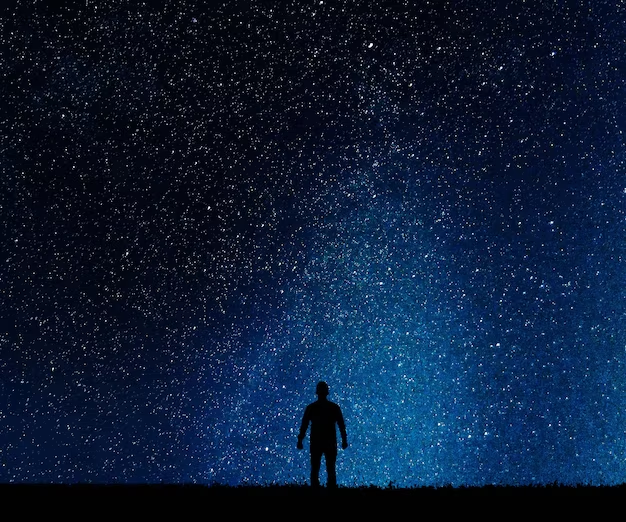
The poem repeatedly contrasts humanity's self-importance with its smallness in the universe's grand scheme. The speaker's reflexion on "what refuses to let us keep anything for long" (line 23) underscores the transient nature of human existence. The everyday sounds of "The neighbour chopping onions" (line 29) and "My stereo on shuffle" (line 29) juxtapose the mundane with the cosmic, highlighting the tension between the two.
Faith vs. Science
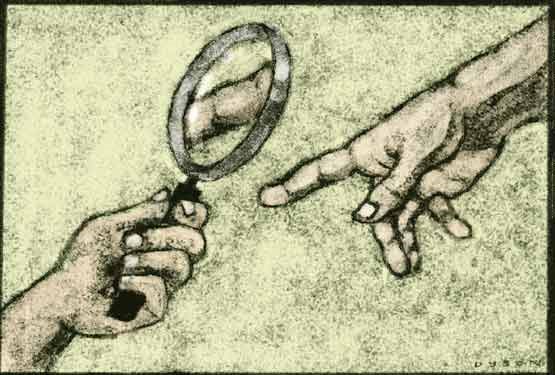
Smith juxtaposes religious and scientific interpretations of the universe and the afterlife. The line "Whether it is our dead in Old Testament robes, / Or a door opening onto the roiling infinity of space" (lines 19–20) explores humanity's struggle to reconcile spiritual beliefs with scientific discoveries. This tension underscores the poem's philosophical exploration of existence and the unknown.
Note
Extra Credit: Get that H1 by including critical, personal and literary reflexion! Modernist (early 20th-century) literature often explores the tensions between faith and science, citing societal morale losses caused by war and poverty. Zora Neale Hurston was a black Modernist author, and in her novel Their Eyes Were Watching God, Hurston portrays this unequal relationship between faith and science in the narrative. Is Smith's approach balanced, or is faith or science favoured?
Structure and Form
1. Free Verse
The poem is written in free verse, allowing for flexibility in tone and imagery. The lack of a strict rhyme or metre mirrors the unpredictable and chaotic nature of both the universe and human existence. This structure also reflects the spontaneity of the children's screams, echoing the unrestrained forces of creation and chaos.
2. Four Stanzas of Unequal Length
The poem is divided into four stanzas, each with a distinct focus:
- Stanza 1: Introduces the domestic scene of screaming children and hints at cosmic connections.
- Stanza 2: Explores the potential power of the children's cries and humanity's inflated sense of importance.
- Stanza 3: Delves into philosophical musings on faith, science, and the afterlife.
- Stanza 4: Returns to the mundane, contrasting it with the grandeur of the earlier reflections. This uneven structure allows Smith to explore shifting tones and themes, moving from the ordinary to the extraordinary and back again.
3. Enjambment
Enjambment is used throughout the poem to create a natural flow and momentum, as seen in:
"And it rolls out: high, shrill and metallic. / First the boy, then his sister" (lines 2–3).
This technique mirrors the continuous, unrelenting nature of the children's cries and the ongoing chaos of creation and life.
4. Juxtaposition
Smith contrasts the cosmic and the mundane throughout the poem. The line "My stereo on shuffle. The neighbour chopping onions" (line 29) juxtaposes everyday noises with the earlier description of cosmic forces, emphasising humanity's smallness in the vast universe.
5. Circular Structure
The poem begins and ends with the children's screams, creating a circular structure that reflects the cyclical nature of creation and destruction. The final image, "like the Dawn of Man" (line 32), ties back to the primal and evolutionary themes, suggesting that humanity remains bound by its origins.
Poetic Techniques
1. Alliteration
- "Shrill and metallic" (line 2): The repetition of the "s" and "m" sounds captures the harshness of the children's cries, evoking their piercing, chaotic energy.
- "Pass from blue, to red, to molten gold" (line 16): The repeated "p" and "r" sounds add a rhythmic quality to the transformation of the sky. Effect: Alliteration emphasises key images and enhances the musicality of the poem, drawing the reader's attention to specific moments of chaos and wonder.
2. Hyperbole
- "Perhaps, if they hit / The magic decibel, the whole building / Will lift-off, and we'll ride to glory" (lines 11–13): The exaggeration of the children's cries lifting a building highlights the absurdity of humanity's tendency to inflate its own significance. Effect: Hyperbole adds humour while critiquing humanity's self-importance and our attempts to impose meaning on chaos.
3. Imagery
- "Let the sky / Pass from blue, to red, to molten gold, to black" (lines 16–17): This vivid description evokes both natural beauty and apocalyptic visions, linking human noise to cosmic forces.
- "The neighbour chopping onions through a wall" (line 29): This mundane image contrasts sharply with the cosmic imagery, grounding the poem in the ordinary. Effect: The use of contrasting imagery highlights the tension between the mundane and the cosmic, drawing attention to humanity's small place in the universe.
4. Biblical Allusion
- "Like Elijah" (line 14): Refers to the Biblical prophet Elijah, who ascended to heaven in a fiery chariot, linking the children's cries to spiritual transcendence.
- "Let the heaven we inherit approach" (line 18): This phrase references religious notions of the afterlife, contrasting with the scientific perspective presented later. Effect: The Biblical allusions explore humanity's attempts to reconcile faith with the mysteries of the universe.
5. Juxtaposition
- "Our racket seems beside it. My stereo on shuffle. / The neighbour chopping onions" (lines 29–30): Smith places ordinary, domestic sounds alongside cosmic reflections, contrasting the insignificance of human life with the grandeur of the universe. Effect: The juxtaposition underscores the poem's exploration of human existence's fragile, fleeting nature against the vastness of the cosmos.
6. Circular Structure
- The poem begins and ends with the children's screams, tying the chaos of the domestic world to the cyclical nature of creation and destruction.
- "Like the Dawn of Man" (line 32): This final image recalls the evolutionary origins of humanity, suggesting our primal instincts remain despite our advancements. Effect: The circular structure reinforces the idea that chaos and creation are inextricably linked, mirroring the unending cycles of life and the universe.