Characters: Edmund (Leaving Cert English): Revision Notes
📚Revision Notes
Edmund
Edmund, Illegitimate Son of Gloucester
Edmund, the illegitimate son of the nobleman Gloucester, is a central antagonist in the play. His ambition and deceit drive much of the play's tragic action and highlight themes of legitimacy and power.
Note
To distinguish the two brothers, Edmund and Edgar, use this mnemonic device: the 'G' in Edgar stands for 'good', and the 'M' in Edmund stands for 'mean'!
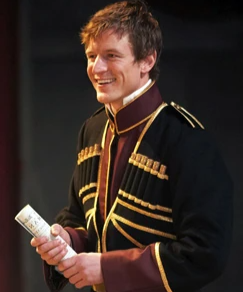
Background and Context
Edmund is born out of wedlock and resents his illegitimate status. His scheming to usurp his legitimate half-brother, Edgar, and gain power leads to betrayal and conflict. He manipulates his father, Gloucester, and allies with Goneril and Regan to further his own ambitions.
Personality Traits
Edmund is cunning, ambitious, and ruthlessly self-serving. He is skilled in manipulation and deceit, using his intelligence to exploit others for his gain. His actions reveal a deep-seated bitterness towards the established social order.
Edmund to himself: "Thou, Nature, art my goddess; to thy law / My services are bound."
Internal Conflict
Edmund's internal conflict revolves around his desire to overcome his illegitimacy and secure power. His ambition drives him to betray family and allies alike. Despite his external success, his actions lead to eventual isolation and downfall, reflecting the play's moral and thematic concerns.
Edmund to himself: "Edmund the base / Shall top the legitimate. I grow; I prosper. Now, gods, stand up for bastards!"
Relationships
Edmund's relationships are marked by treachery and manipulation. He deceives his father Gloucester, leading to his disinheritance of Edgar. His alliances with Goneril and Regan are pragmatic but ultimately self-serving, as he betrays them in his quest for absolute power. His interactions are driven by his own ambitions rather than genuine affection or loyalty.
Edmund to himself: "This seems a fair deserving, and must draw me/ That which my father loses; no less than all:/ The younger rises when the old doth fall."
Tragic Flaw
Edmund's tragic flaw is his unchecked ambition and duplicity. His relentless pursuit of power and disregard for loyalty and family ultimately lead to his downfall.
His betrayal and manipulation result in his death in a duel with Edgar, demonstrating the destructive nature of his ambition.
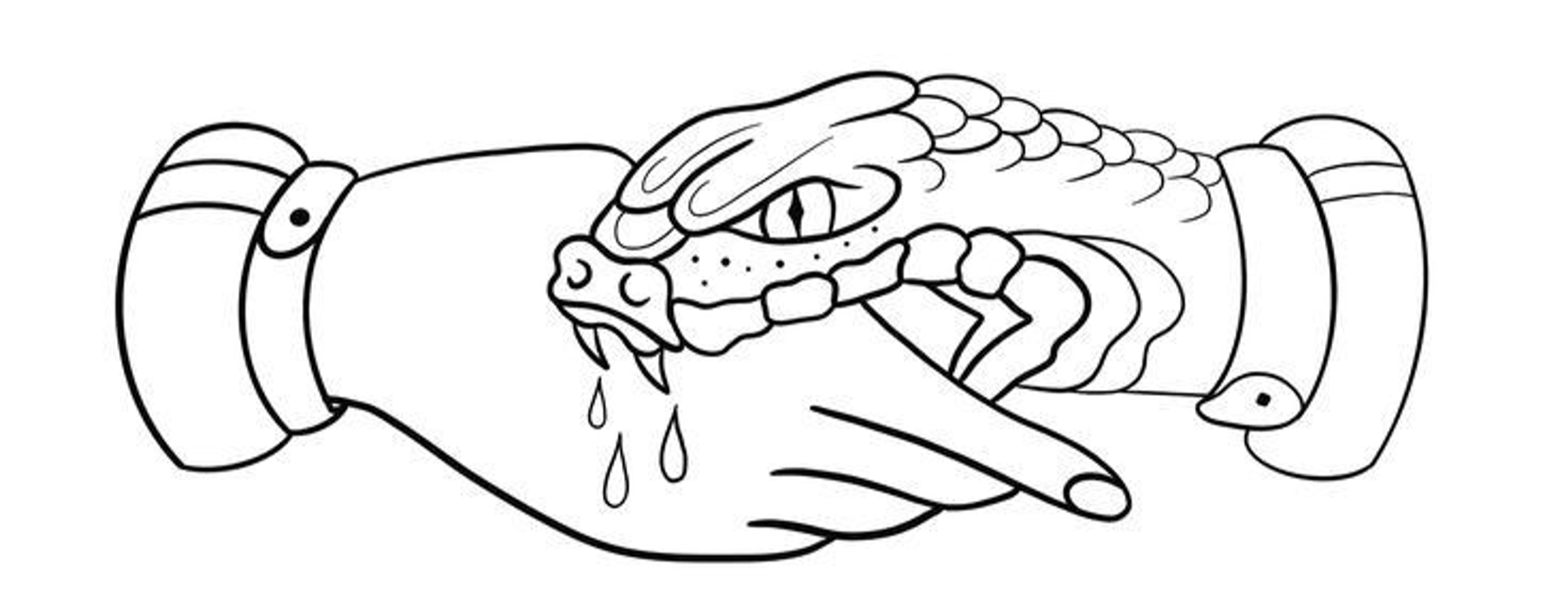
Edmund to himself after Edgar's exit: "/ A credulous father and a brother noble,/ Whose nature is so far from doing harms/ That he suspects none; on whose foolish honesty/ My practices ride easy. I see the business./ Let me, if not by birth, have lands by wit./ All with me's meet that I can fashion fit."
Note
Food for thought: Does Edmund's status as a bastard relate to the fact that the majority of his quotes come from soliloquies (speaking to himself)?