Characters: Gloucester (Leaving Cert English): Revision Notes
📚Revision Notes
Gloucester
Gloucester, Loyal Nobleman
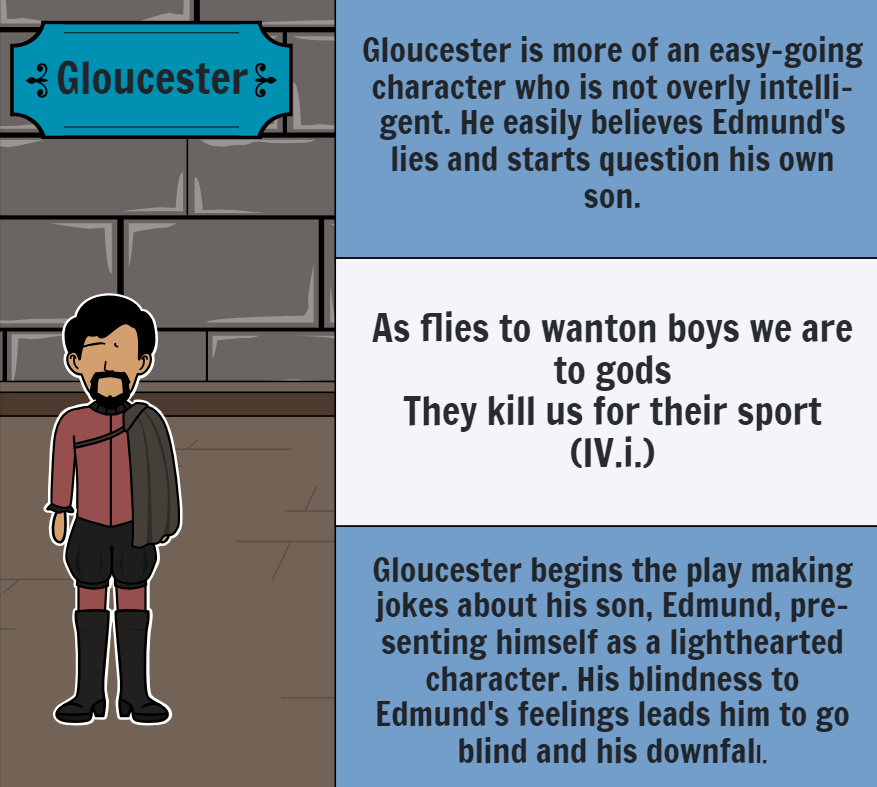
Gloucester, a nobleman loyal to King Lear, is a pivotal character whose storyline parallels Lear's. His journey from a position of power to one of suffering and enlightenment underscores many of the play's key themes.
Background and Context
Gloucester is the father of two sons: the legitimate Edgar and the illegitimate Edmund. His trust in Edmund and rejection of Edgar set off a tragic series of events, mirroring Lear's misjudgments regarding his daughters.
Personality Traits
Gloucester is initially naive and gullible, easily deceived by Edmund's manipulations. However, he is also loyal and well-meaning.
Gloucester to Edmund: "The king falls from bias of nature; there's father against child."
As he endures suffering, he gains insight and humility, demonstrating a capacity for personal growth and understanding.
Internal Conflict
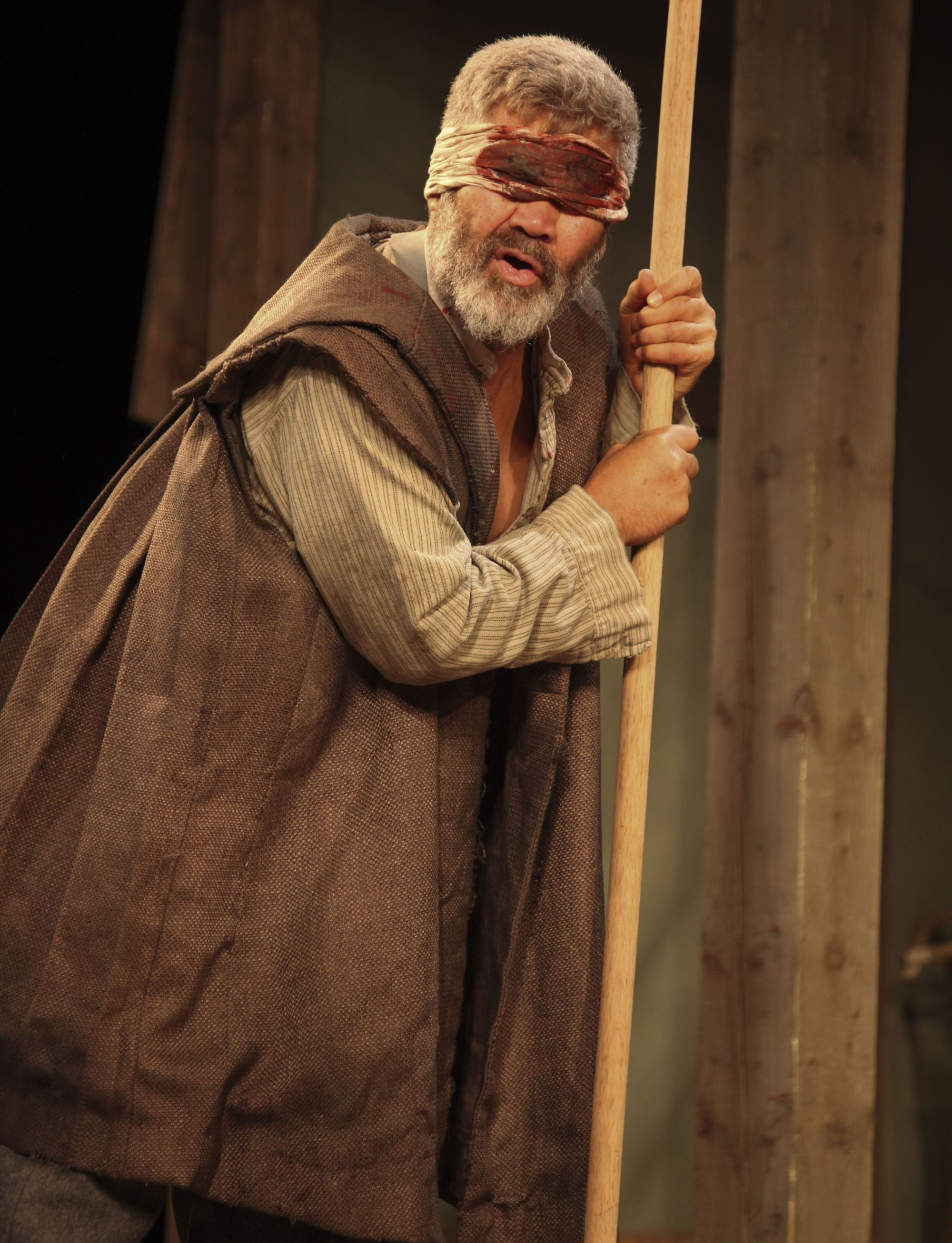
Gloucester's internal conflict revolves around his blindness to the true nature of his sons. His misplaced trust in Edmund and harsh treatment of Edgar create significant turmoil, but his eventual realisation of the truth leads to deep regret and a quest for redemption. He is punished for his metaphorical blindness with physical blindness and faces the torture with acceptance:
Gloucester to Regan and Cornwall: "I am tied to the stake, and I must stand the course."
Relationships
Gloucester's relationships with his sons are central to his character arc. He wrongly disowns Edgar due to Edmund's deceit, only to later recognise Edgar's loyalty and love.
Gloucester about Edgar: _"_I had a son now outlawed from my blood; he sought my life but lately, very late. I loved him, friend, no father his son dearer."
His bond with King Lear, forged through mutual suffering and enlightenment, highlights themes of loyalty and redemption.
Tragic Flaw
Gloucester's tragic flaw is his gullibility and poor judgement. His inability to see through Edmund's deceit and his harsh treatment of Edgar lead to his downfall. His physical blindness, inflicted by Regan and Cornwall, symbolises his earlier metaphorical blindness, yet it ultimately brings him greater insight and understanding.
Gloucester to Edgar/ PoorTom: "The gods are just, and of our pleasant vices / Make instruments to plague us."