Literary Devices and Language Techniques (Leaving Cert English): Revision Notes
📚Revision Notes
Literary Devices and Language Techniques
Note
What is the difference between 'Language Techniques' and 'Literary Devices'? Literary devices often develop larger narrative elements such as theme and character, whereas language techniques typically enhance the text's readability, aesthetic, and emotional impact.
Literary Devices
Motifs
Note
Motifs are recurring structures, contrasts, and literary devices that can help to develop and inform the text's major themes.
Insanity
Insanity is a recurring motif that intertwines with themes of disorder and hidden wisdom. The Fool's seemingly mad ramblings provide crucial insights to Lear, revealing truths cloaked in folly. Lear's descent into madness parallels the chaos in his kingdom, yet it strips him of royal pretensions, teaching him humility. Edgar's feigned madness as "Poor Tom" also imparts wisdom and fortitude, preparing him to confront and defeat Edmund. Both real and feigned insanity in the play reveals deeper truths about human nature and societal breakdowns.
Betrayal
Betrayal is central to the play's plot, highlighting the moral decay within families and political structures. Goneril and Regan's betrayal of Lear propels them to power, while Edmund's treachery against his father and brother allies him with the deceitful sisters. These betrayals underscore the corrupting influence of ambition and the inevitable self-destruction that follows. The play begins with Lear's own betrayal of Cordelia's genuine love, setting a twisted moral precedent and foreshadowing the tragic consequences of misplaced trust and values.
Symbols
Note
Symbols are objects, characters, figures, and colours representing abstract ideas or concepts.
The Storm
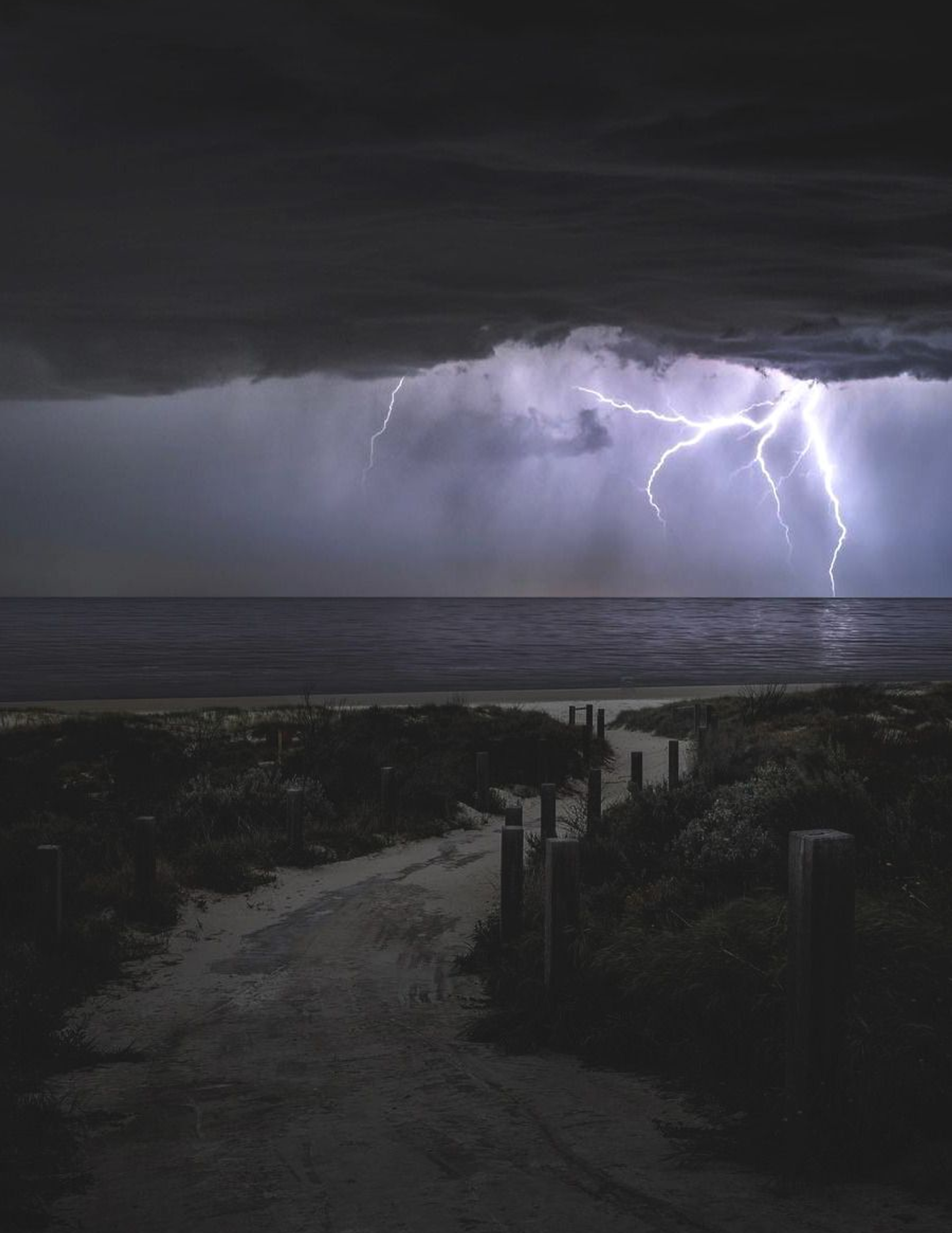
The storm on the heath in Act 3 serves as a powerful symbol of Lear's inner turmoil and growing madness. It reflects his psychological state and the chaos engulfing Britain. The storm's ferocity forces Lear to confront his own vulnerability and mortality, ultimately leading to a newfound humility. This natural chaos also symbolises divine justice, suggesting that nature itself reacts to human treachery and disorder in the play.
Lear to The Storm: "Blow, winds, and crack your cheeks! rage! blow!"

Gloucester to Old Man: _"_I have no way, and therefore want no eyes;/ I stumbled when I saw: full oft 'tis seen,/ Our means secure us, and our mere defects/ Prove our commodities. O dear son Edgar,/ The food of thy abused father's wrath!/ Might I but live to see thee in my touch,/ I'ld say I had eyes again!"
Blindness
Physical and metaphorical blindness are pivotal symbols in "King Lear." Gloucester's physical blindness represents the inability to see the truth, a flaw he shares with Lear. Both characters misjudge their loyal children and place trust in the treacherous ones. It is only through Gloucester's literal blindness and Lear's descent into madness that they gain true insight. This journey from blindness to revelation underscores the themes of knowledge, self-awareness, and the painful consequences of ignorance. The convergence of Lear and Gloucester near Dover highlights their shared tragic recognition of their errors.
Language Techniques
Imagery
Shakespeare uses vivid imagery to evoke emotions and underscore themes. Descriptions of the storm, madness, and the brutal blinding of Gloucester create powerful visual and emotional impacts. The imagery of animals and nature often reflects the characters' primal instincts and the breakdown of human civility.
Gentleman to Kent: "Thou'dst shun a bear; / But if thy flight lay towards the raging sea, / Thou'dst meet the bear i' the mouth."
Irony
Irony is prevalent throughout "King Lear," highlighting the tragic consequences of misjudgments and misplaced trust. Lear's expectation of love and loyalty from Goneril and Regan is met with betrayal, while his rejection of Cordelia's honest love leads to his downfall. Gloucester's trust in Edmund and suspicion of Edgar result in his own suffering and ultimate enlightenment.
Gloucester to Edmund: "Loyal and natural boy, I'll work the means/ To make thee capable."
Foreshadowing
Foreshadowing hints at the impending tragedy and the characters' fates. Lear's rash decisions in the opening act foreshadow the chaos and suffering to come.
Regan to Goneril about Lear: "Such unconstant starts are we like to have from him as this of Kent's banishment."
The Fool's cryptic warnings and prophecies often hint at the disastrous outcomes awaiting Lear, adding layers of anticipation and tension to the narrative.