Characters: Banquo (Leaving Cert English): Revision Notes
📚Revision Notes
Banquo
Banquo's Character Journey
- Banquo is portrayed as a noble and honourable man, loyal to King Duncan and a good friend to Macbeth. Throughout the play, he remains perceptive and cautious, resisting the temptations that lead Macbeth astray.
- His character arc highlights his wisdom, moral integrity, and ultimate victimhood at the hands of Macbeth's ambition. Banquo's character serves as a foil to Macbeth.
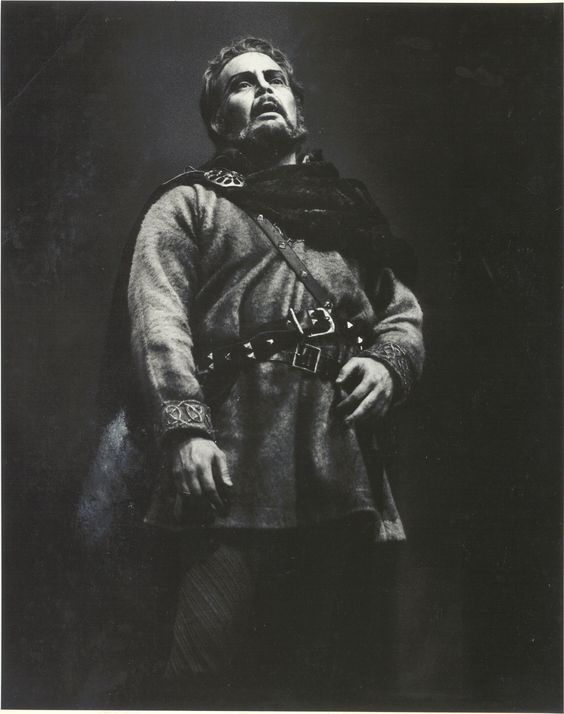
- First Encounter with the Witches (Act 1, Scene 3)
- Banquo meets the witches alongside Macbeth and hears their prophecies.
- He remains sceptical and questions their intentions, unlike Macbeth who is immediately influenced.
"The instruments of darkness tell us truths; Win us with honest trifles, to betray's In deepest consequence."
- Suspicion of Macbeth (Act 3, Scene 1)
- Banquo becomes suspicious of Macbeth after Duncan's murder.
- He suspects that Macbeth has played foully to achieve the throne.
"Thou hast it now: King, Cawdor, Glamis, all, As the weird women promised, and I fear Thou play'dst most foully for't."
- Banquo's Prayer (Act 2, Scene 1)
- Banquo struggles with his own temptations and prays for help to resist the cursed thoughts that trouble him.
- This shows his awareness of the moral dangers posed by the witches' prophecies.
"Merciful powers, Restrain in me the cursed thoughts that nature Gives way to in repose!"
- Banquo's Murder (Act 3, Scene 3)
- Macbeth sees Banquo as a threat to his throne and has him murdered.
- Banquo's murder marks the climax of Macbeth's moral descent and the full realisation of the witches' influence.
"O, treachery! Fly, good Fleance, fly, fly, fly! Thou mayst revenge. O slave!"
Character Analysis
1. Noble and Honorable
- Banquo is a brave and wise soldier, deeply loyal to King Duncan.
- His integrity is evident throughout the play as he consistently acts with honour and caution.
2. Perceptive and Skeptical
- Banquo is more perceptive than Macbeth, recognising the potential danger and deceit in the witches' prophecies.
- He remains cautious and wary of their intentions.
'"The instruments of darkness tell us truths; Win us with honest trifles, to betray's In deepest consequence."
3. Morally Upright
- Despite the witches' prophecies that his descendants will inherit the throne, Banquo does not succumb to ambition.
- He prays for strength to resist evil thoughts and remains morally steadfast.
"Merciful powers, Restrain in me the cursed thoughts that nature Gives way to in repose!"
4. Victim of Ambition
- Banquo's murder by Macbeth highlights the destructive power of unchecked ambition.
- His death signifies the extent of Macbeth's moral corruption and paranoia.
"O, treachery! Fly, good Fleance, fly, fly, fly! Thou mayst revenge. O slave!"
Role as a Foil to Macbeth
Note
What is a foil? A foil is something or someone that makes another's good or bad qualities more noticeable.
Banquo serves as a critical foil to Macbeth. Both men receive prophecies from the witches, but their reactions and actions highlight their contrasting natures.
- Banquo remains loyal to King Duncan and sceptical of the witches' intentions. Unlike Macbeth, who immediately succumbs to ambition, Banquo does not let the prophecies cloud his judgement or moral integrity.
- He questions the witches' very existence, showing his scepticism and rationality.
"The instruments of darkness tell us truths; Win us with honest trifles, to betray's In deepest consequence."
- Banquo's moral integrity stands in stark contrast to Macbeth's moral corruption. While Banquo prays for help to resist evil thoughts, Macbeth becomes increasingly corrupt, committing heinous acts to secure and maintain his power.
- Banquo's refusal to succumb to the prophecies and temptation demonstrates his strength of character.
"Merciful powers, Restrain in me the cursed thoughts that nature Gives way to in repose!"
Banquo's character highlights the themes of loyalty, integrity, and the corrupting influence of unchecked ambition. His actions and fate contrast sharply with Macbeth's, emphasising the moral choices each character makes and their ultimate consequences. This contrast enriches the narrative, showing the tragedy of Macbeth's fall from honour to tyranny.
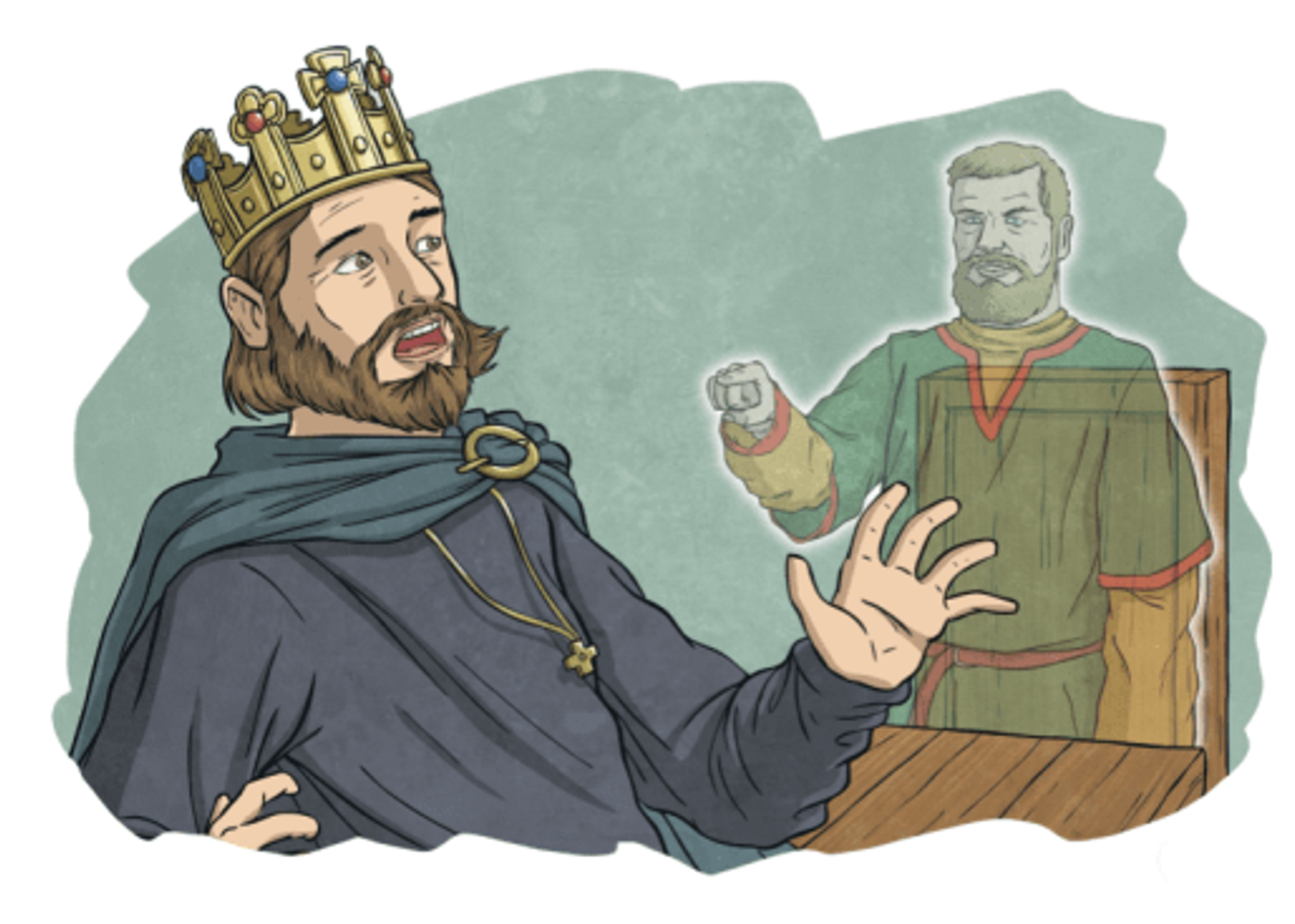
Adjectives
| Adjective | Explanation |
|---|---|
| Loyal | He remains faithful to King Duncan and does not seek to betray him. |
| Perceptive | He is cautious and questions the witches' intentions and prophecies. |
| Honourable | He maintains his moral integrity and does not let ambition cloud his judgement. |
| Rational | He thinks logically and critically, not allowing supernatural influences to dictate his actions. |
Key Quotes for Banquo
- "The instruments of darkness tell us truths; Win us with honest trifles, to betray's In deepest consequence."
- "Thou hast it now: King, Cawdor, Glamis, all, As the weird women promised, and I fear Thou play'dst most foully for't."
- "Merciful powers, Restrain in me the cursed thoughts that nature Gives way to in repose!"
- "O, treachery! Fly, good Fleance, fly, fly, fly! Thou mayst revenge. O slave!"