Characters: King Duncan (Leaving Cert English): Revision Notes
📚Revision Notes
King Duncan
Who is King Duncan?
King Duncan of Scotland is a minor yet pivotal character in William Shakespeare's "Macbeth." His role, though brief, serves as the catalyst for the central events of the play. Duncan's character arc is not marked by personal change but rather by his impact on other characters and the unfolding tragedy.
1. Duncan as a Symbol of Good Kingship: The Ideal Leader
- Compassionate
- Decisive
- Widespread Respect
Compassionate
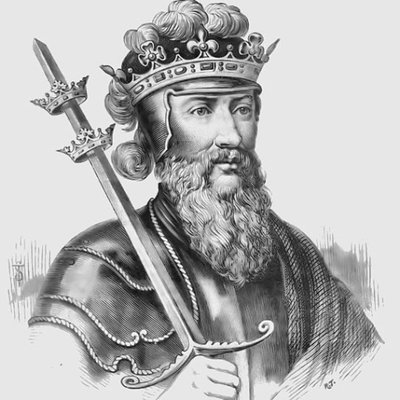
- Duncan is portrayed as a benevolent and just ruler, revered by his subjects and seen as the epitome of good governance. A key moment illustrating his virtuous rule is his treatment of the wounded soldier.
"Go get him surgeons." (Act 1, Scene 2)
- Despite the turmoil of battle, Duncan ensures that those who are injured receive care, which is a sign of a considerate and responsible leader.
Decisive
- Duncan's capability to make swift and firm decisions is highlighted by his handling of the treasonous Thane of Cawdor. His decisiveness ensures that betrayal is swiftly punished, maintaining order and justice.
"Is execution done on Cawdor?" (Act 1, Scene 4)
- This inquiry about the execution of the former Thane of Cawdor shows Duncan's resolve in dealing with disloyalty, a necessary trait for a ruler in maintaining the integrity of the kingdom.
Widespread Respect
- Duncan is widely respected, as evidenced by the high regard in which both Macbeth and Macduff hold him. Macbeth's private acknowledgement of Duncan's virtues underscores his good governance and the legitimacy of his reign.
"He hath been so clear in his great office." (Act 1, Scene 7)
- This reflexion by Macbeth highlights Duncan's fairness and effectiveness as a king, which make the decision to murder him all the more heinous.
2. Duncan's Trust and Generosity
- Rewards and Honour
- Trusting Nature: A Double-Edged Sword
Rewards and Honour
- Duncan's decision to bestow the title of Cawdor on Macbeth is a pivotal moment that demonstrates his trusting nature and his desire to reward those he sees as loyal.
"What he hath lost, noble Macbeth hath won." (Act 1, Scene 2)
- Here, Duncan rewards Macbeth with the thaneship of Cawdor as a recognition of his service, unwittingly setting the stage for his own downfall. This act of generosity highlights Duncan's trusting disposition, which is ultimately exploited.
Trusting Nature: A Double-Edged Sword
- Duncan's trusting nature, while a commendable trait, becomes his fatal flaw. His trust in the Thane of Cawdor, despite the latter's betrayal, and his subsequent trust in Macbeth, whom he also elevates, illustrate this vulnerability.
"He was a gentleman on whom I built an absolute trust." (Act 1, Scene 4)
- This admission, regarding the former Thane of Cawdor, tragically foreshadows the misplaced trust Duncan places in Macbeth.
3. The Murder of Duncan
The Turning Point
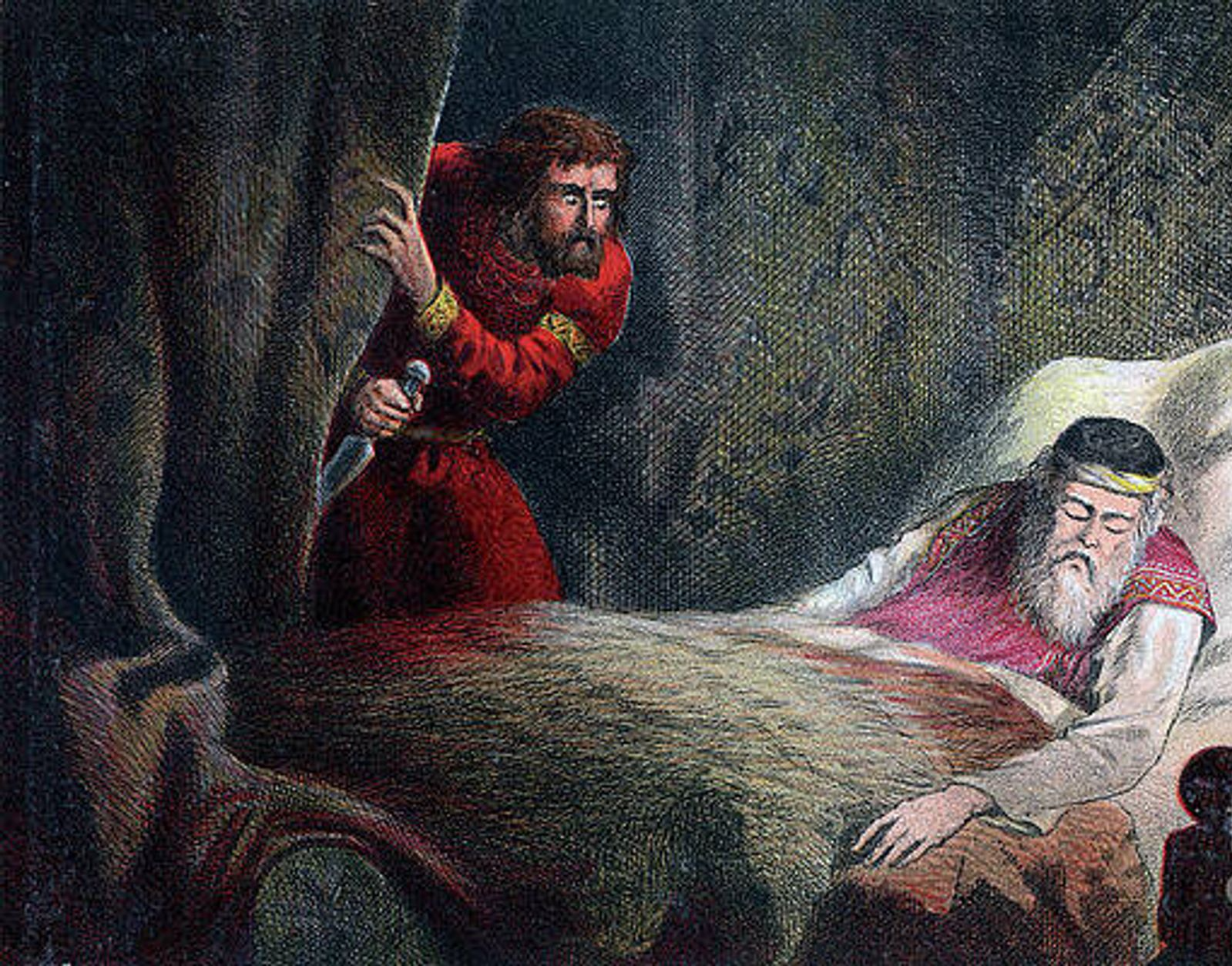
Duncan's murder is the central event of the play and represents a profound moral and natural disturbance. His decision to stay as a guest in Macbeth's castle reflects his trusting nature, which Macbeth and Lady Macbeth manipulate to their advantage.
"This castle hath a pleasant seat; the air / Nimbly and sweetly recommends itself / Unto our gentle senses." (Act 1, Scene 6)
- This comment, made shortly before his murder, underscores his naiveté and trust, which are starkly contrasted by the treachery that leads to his death.
4. The Aftermath of Duncan's Death
Natural and Political Chaos
- At the time Shakespeare wrote "Macbeth," the king was considered God's representative on Earth. Duncan's murder, therefore, is not just a political crime but a sacrilege that disrupts the cosmic order. This disruption is mirrored in the unnatural events that follow his death.
"Most sacrilegious murder hath broke ope / The Lord's anointed temple." (Act 2, Scene 3)
"'Tis said they eat each other." (Act 2, Scene 4, referring to Duncan's horses)
"And yet dark night strangles the travelling lamp." (Act 2, Scene 4, describing the unnatural darkness)
"A falcon, tow'ring in her pride of place, / Was by a mousing owl hawk'd at and kill'd." (Act 2, Scene 4)
- These events, such as horses consuming each other and the reversal of predator-prey dynamics in nature, symbolise the upheaval and chaos unleashed by Duncan's assassination, reflecting the inversion of the social and natural order.
Adjectives
| Adjective | Explanation |
|---|---|
| Benevolent | Duncan's caring nature is shown through his compassionate treatment of his subjects. |
| Trusting | He displays a profound trust in his thanes, which, although a noble trait, ultimately leads to his downfall. |
| Generous | He rewards loyalty and bravery, as seen when he gifts Macbeth the title of Thane of Cawdor for his valour in battle. |
| Decisive | Duncan's swift decision to execute the treasonous Thane of Cawdor highlights his strong leadership and commitment to justice. |
| Respected | His fair and effective rule earns him widespread admiration from his subjects, including Macbeth and Macduff. |
| Naive | His inability to detect deceit in those closest to him, such as Macbeth, shows a lack of suspicion that proves fatal. |
Key Quotes for Duncan
- "Go get him surgeons."
- "Is execution done on Cawdor?"
- "He hath been so clear in his great office."
- "What he hath lost, noble Macbeth hath won."
- "He was a gentleman on whom I built an absolute trust."
- "This castle hath a pleasant seat; the air / Nimbly and sweetly recommends itself / Unto our gentle senses."
- "Most sacrilegious murder hath broke ope / The Lord's anointed temple."
- "'Tis said they eat each other."
- "And yet dark night strangles the travelling lamp."
- "A falcon, tow'ring in her pride of place, / Was by a mousing owl hawk'd at and kill'd."