Characters: Dr. Seward (Leaving Cert English): Revision Notes
📚Revision Notes
Characters: Dr. Seward
Overview
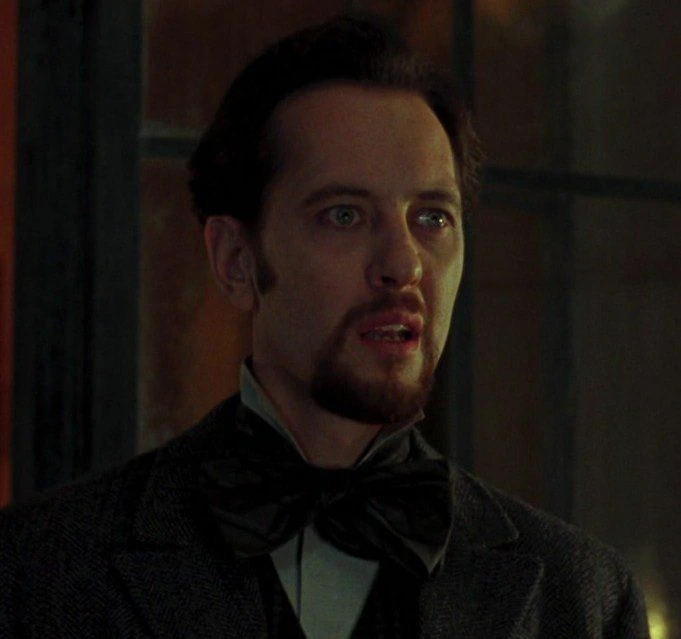
Dr. John Seward is a key character in "Dracula." He is the head of an insane asylum and a former suitor of Lucy Westenra. Seward's scientific approach and scepticism initially clash with the supernatural elements introduced by Van Helsing. However, as the story progresses, Seward becomes a crucial ally in the fight against Dracula. His diary entries provide significant portions of the novel's narrative.
Key Plot Moments
Treating Lucy
- Seward's involvement begins with his attempts to diagnose and treat Lucy's mysterious illness.
- He invites Van Helsing to help, which brings the supernatural elements into the story.
Learning about Vampirism
- Through Van Helsing, Seward learns about vampirism and its implications.
- This knowledge transforms his understanding of Lucy's condition and the larger threat.
Witnessing Lucy's Transformation
- Seward is present when Lucy becomes a vampire and later when they "truly kill" her.
- These events deepen his commitment to defeating Dracula.
Interaction with Renfield
- Seward's interactions with Renfield provide insights into Dracula's influence and methods.
- Renfield's behaviour serves as a barometer for Dracula's activities.
Final Pursuit
- Seward participates in the final pursuit of Dracula back to Transylvania.
- His dedication and scientific skills contribute to the group's success.
Key Themes
Science and Rationality
- Seward embodies the conflict and eventual reconciliation between science and the supernatural.
Madness and Sanity
- His work with Renfield and the asylum highlights themes of mental illness and its connections to the supernatural.
Moral Duty and Courage
- His evolution from scepticism to active combatant against evil reflects themes of duty and courage.
Key Quotes
"I must be calm, for I am on the brink of wild excitement."
- This quote shows Seward's struggle to maintain his rationality amidst the growing supernatural events.
- It underscores his scientific disposition and the challenge of confronting the unknown.
"No man knows till he has suffered from the night how sweet and dear to his heart and eye the morning can be."
- This reflects Seward's appreciation for normalcy and hope after facing horror.
- It emphasises the novel's contrast between light and darkness.
"There is method in his madness."
- This observation about Renfield highlights the thin line between sanity and insanity.
- It also reflects Seward's analytical approach to understanding behaviour.
"The case I mention was interesting because it was thoroughly typical."
- Seward's clinical perspective on Lucy's condition before understanding its supernatural cause.
- It illustrates his initial reliance on medical explanations.
"When the Count saw my face, his eyes blazed with a sort of demoniac fury, and he suddenly made a grab at my throat."
- Seward's direct encounter with Dracula underscores the physical danger and evil of the vampire.
- It highlights the personal risk Seward faces in the fight against Dracula.