The Impact of Human Activity on Mass Movement (Leaving Cert Geography): Revision Notes
📚Revision Notes
The Impact of Human Activity on Mass Movement
Human activities can significantly influence mass movement, either increasing or decreasing its likelihood and intensity. Some actions make the land more vulnerable to mass movement, while others may help prevent it. Below are key ways human activities impact mass movement:
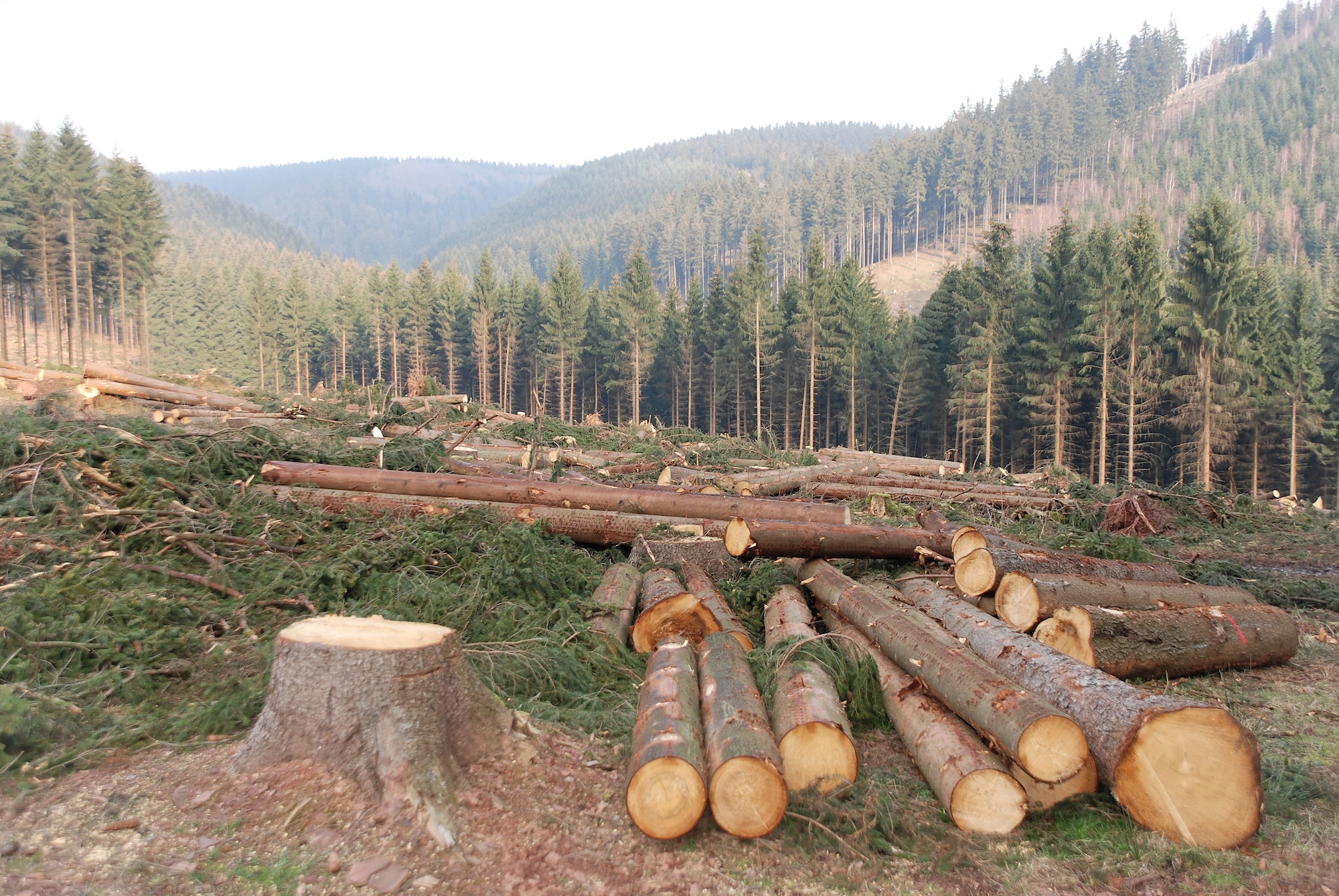
1. Deforestation:
- Impact: Trees and vegetation help to anchor the soil with their root systems. When forests are cleared for agriculture, construction, or logging, the soil becomes loose and more prone to erosion and mass movement.
- Example: In areas where forests are cut down, landslides and soil erosion can become more frequent, especially during heavy rainfall.
2. Urbanisation:
- Impact: Building roads, buildings, and other structures on steep slopes can destabilise the land. The weight of buildings and roads, along with construction activities, can increase the likelihood of landslides and rockfalls.
- Example: In cities located near steep hills or cliffs, such as in parts of San Francisco, improper construction on unstable slopes has led to landslides and foundation damage.

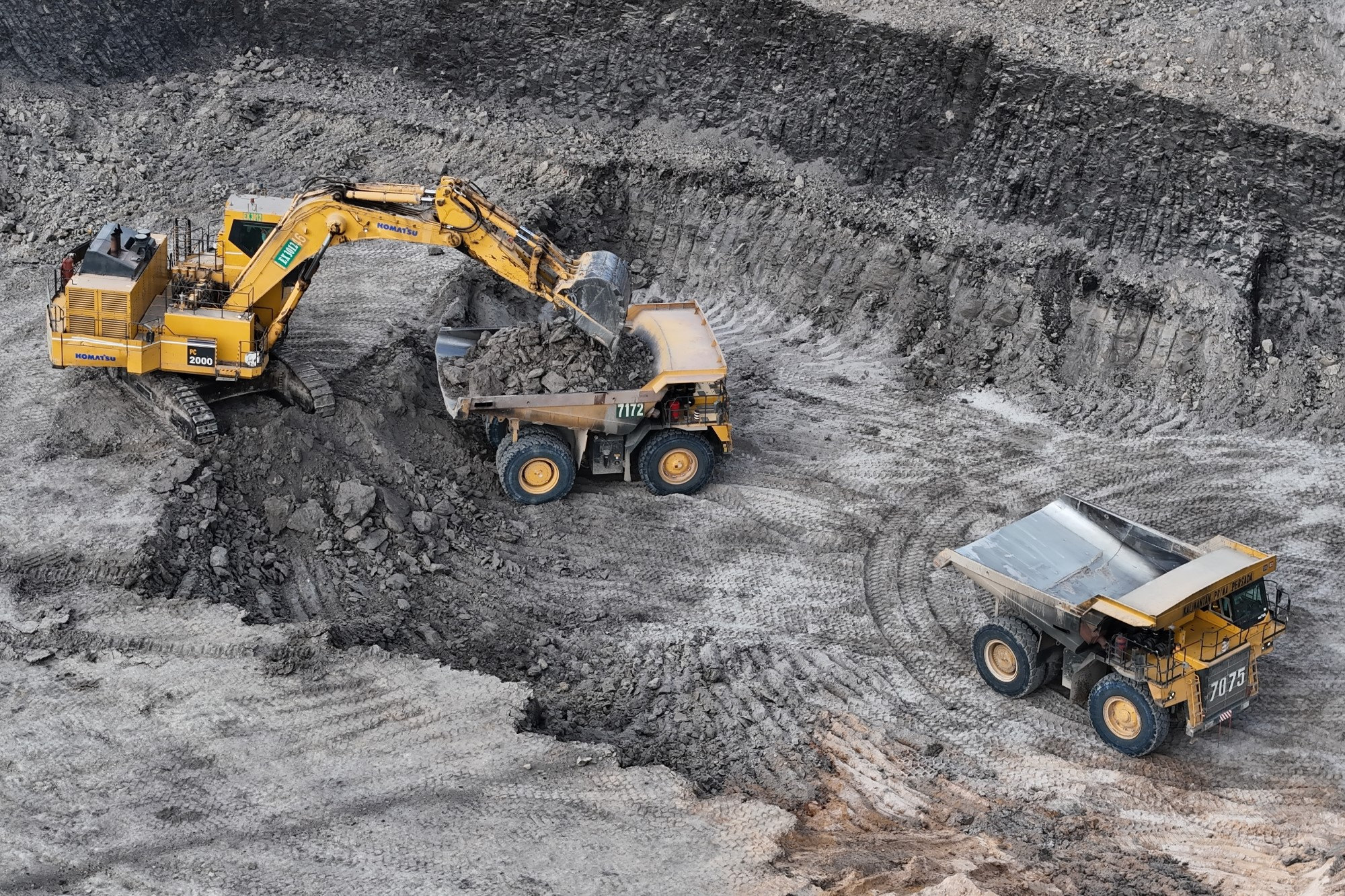
3. Mining:
- Impact: Mining activities, especially open-pit mining and quarrying, remove large amounts of material from the ground. This destabilises the land and can trigger mass movements, such as rockslides and mudslides.
- Example: In Chile, mining practices have led to the collapse of mine waste piles, triggering landslides in surrounding areas.
4. Agriculture:
- Impact: Farming activities, particularly on steep slopes, can increase the risk of mass movement. Overgrazing, ploughing, and the removal of vegetation expose the soil to erosion, making it easier for landslides to occur.
- Example: Terracing can help reduce the risk of landslides by controlling water flow and stabilising the soil. However, poor agricultural practices, like overgrazing in places like Central America, can contribute to severe erosion and landslides.
5. Construction of Roads and Infrastructure:
- Impact: Building roads, dams, and other infrastructure on unstable slopes can trigger landslides. The construction process often involves cutting into the hillside, which can weaken the ground and cause soil or rock to slide.
- Example: In Nepal, the construction of roads in mountainous areas has led to frequent landslides, especially during the monsoon season.
6. Climate Change:
- Impact: Human-induced climate change can increase the frequency and intensity of extreme weather events, such as heavy rainfall and flooding, which in turn increases the likelihood of mass movement. Rising temperatures may also cause melting glaciers that destabilise slopes.
- Example: In Alaska, warmer temperatures have led to increased glacial melt, contributing to landslides in some areas.